



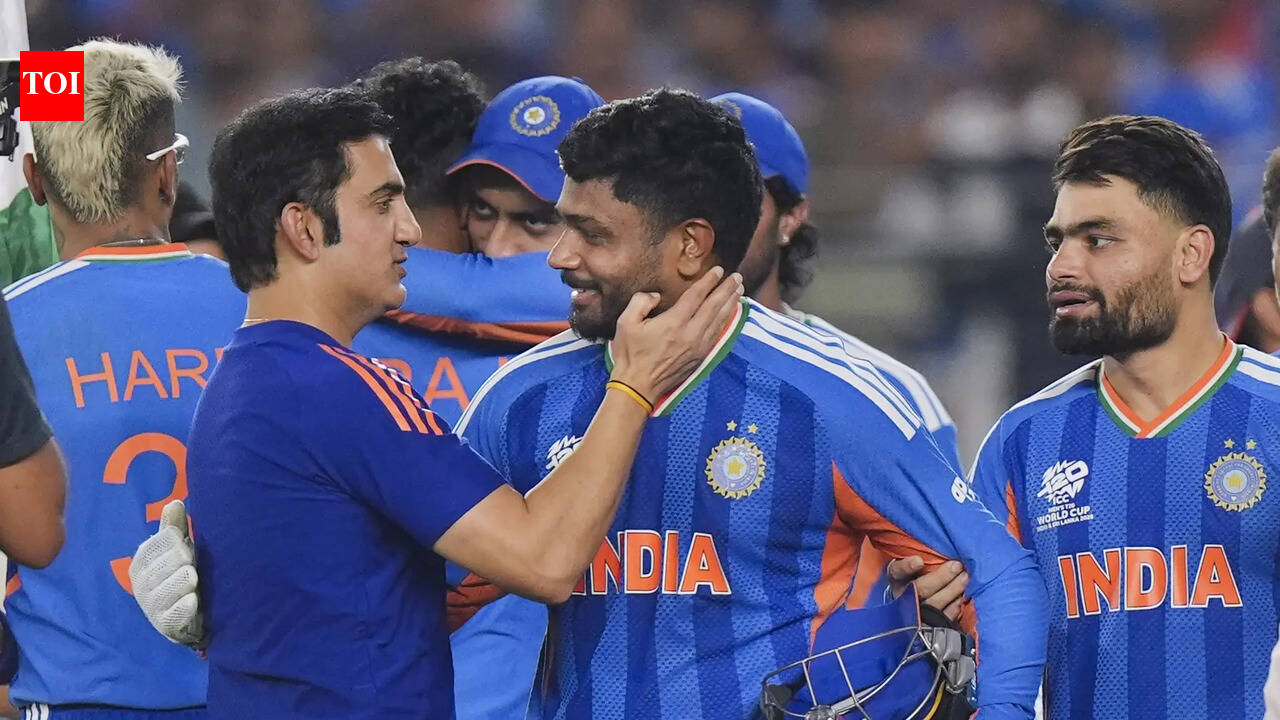
“We are a gun team.” These were Gautam Gambhir’s first words to a young and inexperienced Test team under greenhorn captain Shubman Gill in England last summer. That one sentence killed doubts in the dressing room as the team went on to tie the fiveTest series 2-2.Go Beyond The Boundary with our YouTube channel. SUBSCRIBE NOW!Barring the high in England, Gambhir’s Test record as head coach has been abysmal. This T20 World Cup win, however, is another reminder that he has owned the T20 format since he took charge in July 2024. His past experience in franchise cricket and his power of conviction keeps him and his team a step ahead of everybody else in this format.
That India are now the undisputed power centre of T20 cricket has much to do with the proliferation of the IPL. Gambhir the coach too is a product of the IPL. Two strong seasons with Lucknow Super Giants, followed by a title-winning season with Kolkata Knight Riders, sprung him to the Team India post vacated by Rahul Dravid.‘Transition’ was the buzzword when he took over. For Gambhir, though, it was never about forming a concrete template. He didn’t mind making wholesome changes to the T20 team which had just lifted a trophy in Barbados. His approach may seem regimented at the outset but he always leaves enough room for taking calls on the fly.ALSO READ: High risk, high reward: How ‘Total T20’ fuelled India’s march to World Cup gloryGambhir, unfailingly, invokes the “playing-for-140 crore-Indians” rhetoric in his media briefings. Form over reputation has been the underlining principle. Captain Suryakumar Yadav has been the sole exemption because Gambhir believes in having a person leading the team on the field who aligns with his thought process.Gambhir’s calls have often bordered on the whimsical. He wears his non-populist decisions like a crest. But then, that’s what the fickle nature of T20 demands. In hindsight, one may argue he is too consumed by this process. It works spectacularly well in T20s but may prevent him from maintaining the continuity demanded by the longer formats. Whether India need to split the thinktank across formats is still a debate but Gambhir has made his displeasure known about the suggestion. He is a proud nonconformist. He got the selectors to align with his ideas. Ignoring the likes of Shubman Gill, Rishabh Pant and Shreyas Iyer, the biggest young brands of Indian cricket, have been coldblooded calls. Gambhir has always maintained that T20 cricket is a different sport, demanding unique skills.Indian cricket didn’t seem to be ready for such a cultural shift at the start of his regime. Now, it has embraced the change. Sources close to the team management say Sanju Samson was given a strong message about the bad habits that had crept into his game just before the T20 World Cup. As Ishan Kishan bloomed at the top of the order, Gambhir worked overtime with Samson to eliminate the exaggerated shuffle deep in the crease and stabilise the batter’s stance.The lone blunder came when he sacrificed vice-captain Axar Patel for an undercooked Washington Sundar during the Super-8 defeat to South Africa.Now that he has delivered in his strongest format as a tactician, it will be interesting to see how he reboots when the focus shifts to the ODI World Cup in 2027 and World Test Championship. Will he be flexible enough to plan for the longer formats?
