



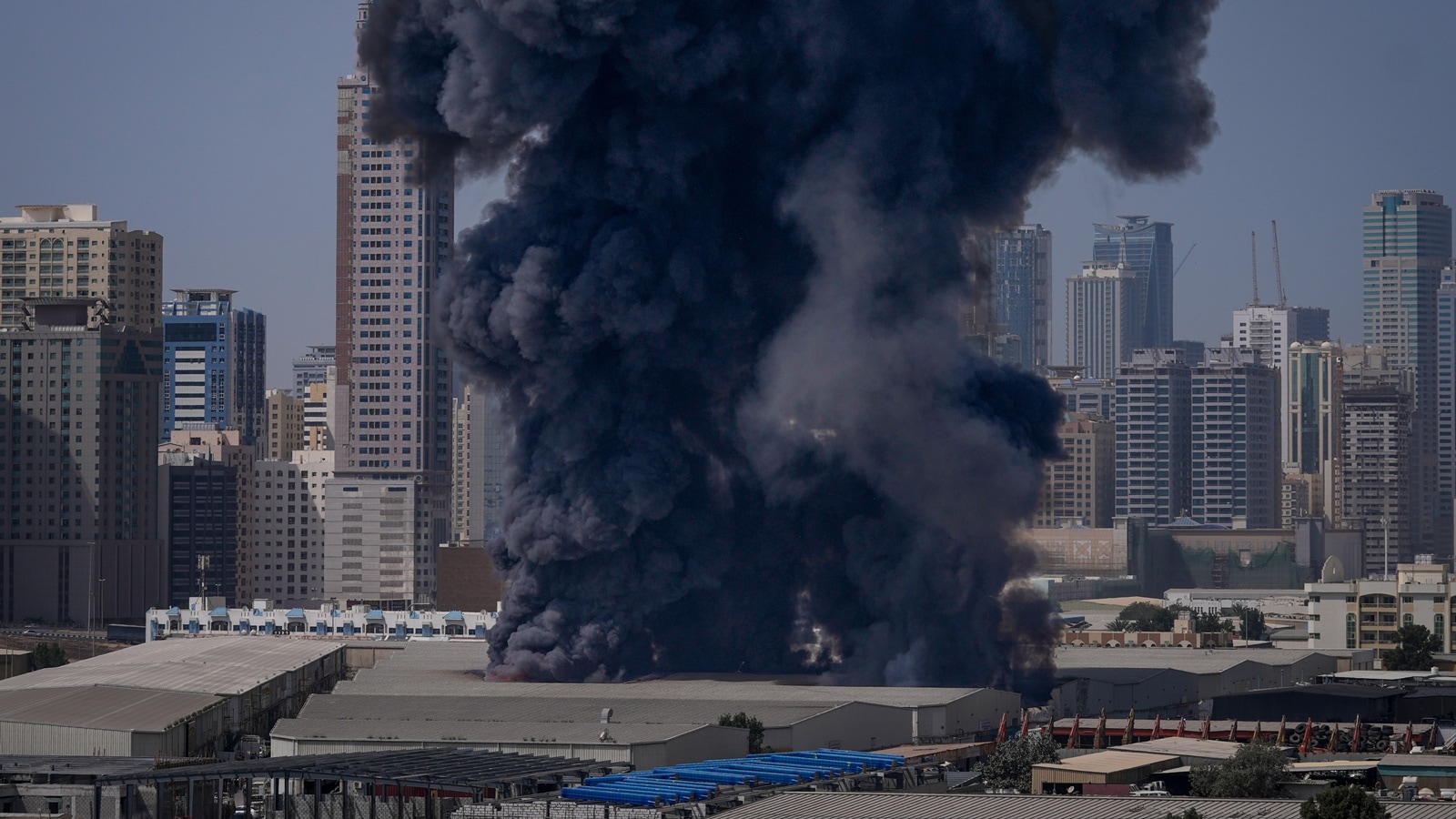
Energy prices have swung wildly in the past few days with the escalating war in West Asia. The price of Brent crude oil, the international benchmark, surged to $120 per barrel on March 9. Trump’s remark that the war is “very complete, pretty much” drove prices back down to $90 per barrel later in the day.

However, the fluidity of the situation makes it difficult to predict either the trajectory of the war or the price of energy with any confidence.
Iran’s closure of the Strait of Hormuz, through which 20 per cent of the world’s oil and gas passes, risks a major inflation in the cost of goods and services worldwide. India is uniquely vulnerable to this disruption, as roughly half the country’s oil imports pass through this chokepoint.
While the Indian government maintains four-seven weeks of crude oil and petroleum reserves, these stocks are significantly lower than China’s strategic stockpiles. With Qatar having halted LNG (liquefied natural gas) production, India has already begun rationing gas supplies to industrial sectors.
Should the conflict devolve into a war of attrition and oil and gas prices remain high for an extended period, a likely outcome is a serious inflation in food prices in India in the coming months.
Simultaneously, an independent development threatens to multiply these problems. The Indian Meteorological Department (IMD) has forecast a “hotter-than-normal” summer with “above-normal number of heatwave days”. Contrary to the mild phrasing of the press release, the forecast ominously predicts heat waves lasting up to two weeks longer than historical averages in several parts of the country.
Excessive summer heat is harmful to crop yields, particularly wheat. Wheat is highly sensitive to “terminal heat stress”. Even a few days of extreme temperatures during the flowering stage can shrivel the grain and slash the final harvest.
This forecast is not a surprise; it aligns with the long-term trends of climate change. As my colleagues and I detailed in a recent peer-reviewed assessment, the hottest days of the year in India are now about 1.5-2°C hotter than in the 1950s.
As a result, food prices in India may be susceptible to a double whammy in 2026 if inflation driven by war in West Asia is compounded by crop damage driven by climate change in South Asia.
While the simultaneous timing of such events is a matter of chance, there is a recent precedent. In 2022, India faced a similar predicament following the Russian invasion of Ukraine, which raised the price of food grains. This was followed by intense summer heat in India that severely damaged crops. This forced India to ban wheat exports to secure the domestic supply.
How can India mitigate the risk? In the short term, India could consider a temporary reduction in diesel-linked taxes and prioritise rail/road movement for food and fertiliser. Additional measures would be to boost oil and gas imports from diversified sources, and activate local heat-action plans and early warning systems to help farmers adjust cropping and irrigation schedules where possible.
However, it is important to bear in mind that as long as global geopolitical instability and climate change remain unaddressed, the chances of these independent threats overlapping to create complex compounding geopolitical-climate disasters will only rise. For context, we assess an alarming 2.5x increase in the intensity of heatwaves and a 1.2x increase in their duration in the next two decades.
In 2022, India navigated this compound crisis through emergency export bans and ad hoc measures. Four years later, a similar convergence may again unfold. When anomalies become patterns, emergency measures are no longer a substitute for systemic resilience.
The writer is a climate and sustainability scientist at Krea University. Views are personal
