



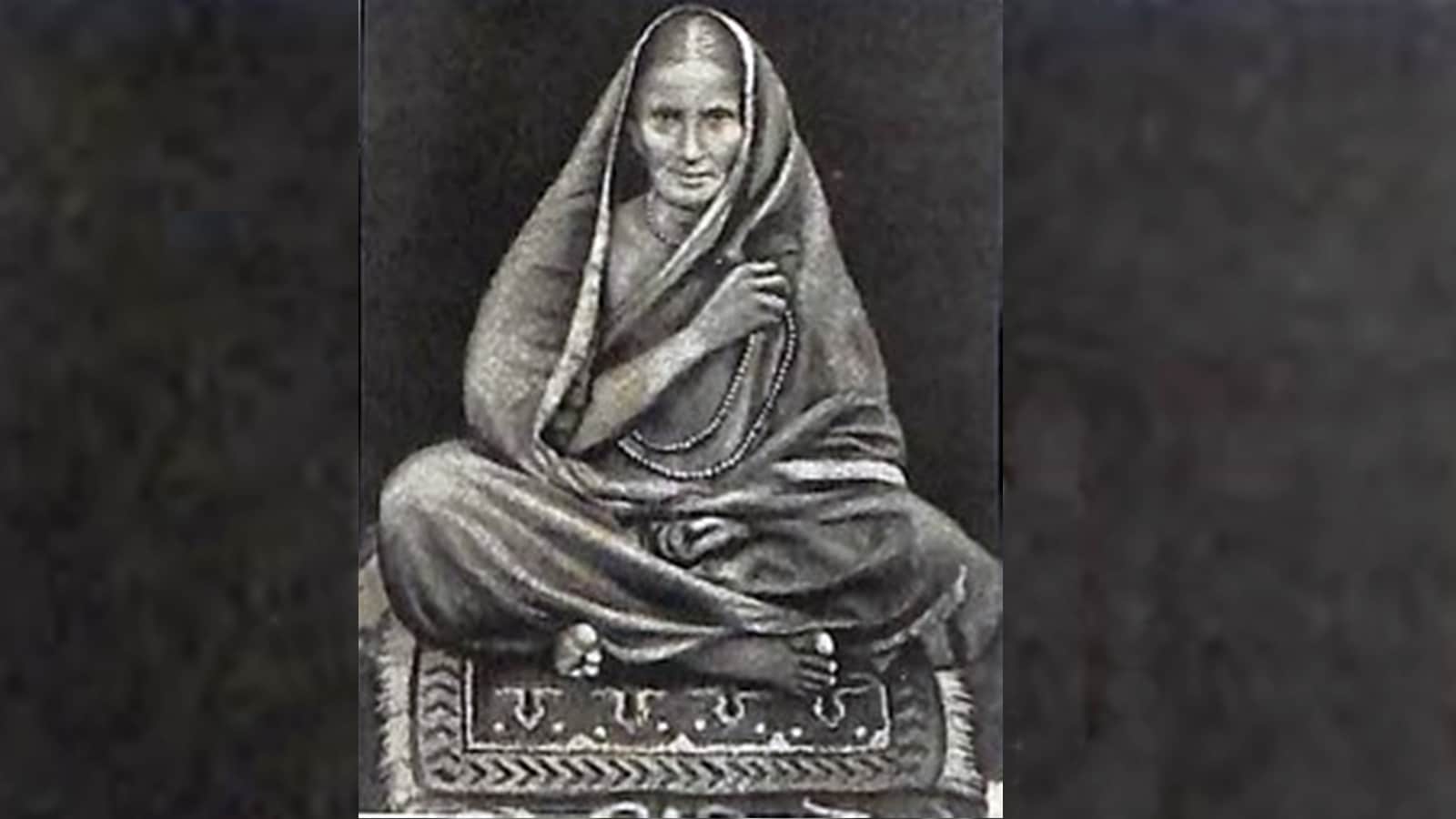
This is how Rassundari Devi begins her remembrance of the world that shaped her life in Amar Jiban (My Life), written in 1876. It sounds almost like folklore now, a superstition whispered in the corridors of a 19th-century Bengali household. But behind that sentence lies a social fear: That of a woman who could read.

Long before feminism in India became a vocabulary of movements and manifestos, it existed in quieter forms, in
the small, interior rebellions of women who lived within the boundaries of the household. Rassundari Devi did not march into public life. Instead, she narrated a life that unfolded among kitchens, courtyards, children, and prayers. Yet within that domestic world, something radical was happening: A woman was teaching herself to read.
The hunger for literacy appears in her writing almost like a secret longing. “My heart longed to learn to read,” she recalls, “but how could I? Who would teach me?” The question carries the weight of an entire social order where knowledge belonged to men, and women were expected to remain outside its doors.
Marriage did not change this world. Rassundari entered a large household where the rhythm of life was set by endless domestic work, by cooking, cleaning, childcare. The home, often imagined as a place of comfort, appears in her narrative instead as a space of vigilance. “I was always frightened,” she writes, “wondering whether I had done something wrong”. In this confession, the household reveals itself as a structure of discipline.
Yet resistance sometimes begins in the smallest gestures. For Rassundari Devi, it began with a page. At night, when the house slept, she would secretly keep a fragment of a book and attempt to decipher its letters. “I secretly kept a page from a book and tried to learn it while cooking,” she remembers. The kitchen, the symbol of women’s confinement, slowly becomes a classroom.
Unlike many modern narratives of rebellion, Rassundari Devi’s story does not present learning as a defiance of religion. On the contrary, she often describes her journey toward literacy as a blessing granted by God. Faith, which was frequently used to reinforce women’s obedience, becomes in her narrative a source of courage. This is perhaps what makes Amar Jiban such an unusual document in the history of Indian writing. The everyday becomes the archive of experience. What earlier literary traditions dismissed as trivial begins to appear, through her narrative, as the very material of history.
There is also something striking about the voice itself. Rassundari Devi does not dramatise her struggle. Her writing moves gently, almost hesitantly, through memory. But within that modest tone lies a profound shift — she is telling her own. In that sense, Amar Jiban anticipates what we now call “own voices” — the insistence that lived experience must speak for itself.
Seen from this perspective, Rassundari Devi’s autobiography marks an important turning point. The story of Indian feminism does not begin only in public debates or political movements. Sometimes it begins in a kitchen, with a woman slowly learning the alphabet of her own voice.
Sharma is a book editor and freelance writer
