



4 min readMar 13, 2026 02:07 PM IST
First published on: Mar 13, 2026 at 02:07 PM IST
Yesterday evening, my husband marched through the door looking like he had won a prize, clutching a new induction cooktop he’d snagged for Rs 3,500. When I asked why the sudden urgency, he claimed he’d barely caught the last one. Apparently, there’s a massive shortage; he told me physical stores are wiped out, and even quick-commerce giants like Blinkit and Zepto are completely out of stock.
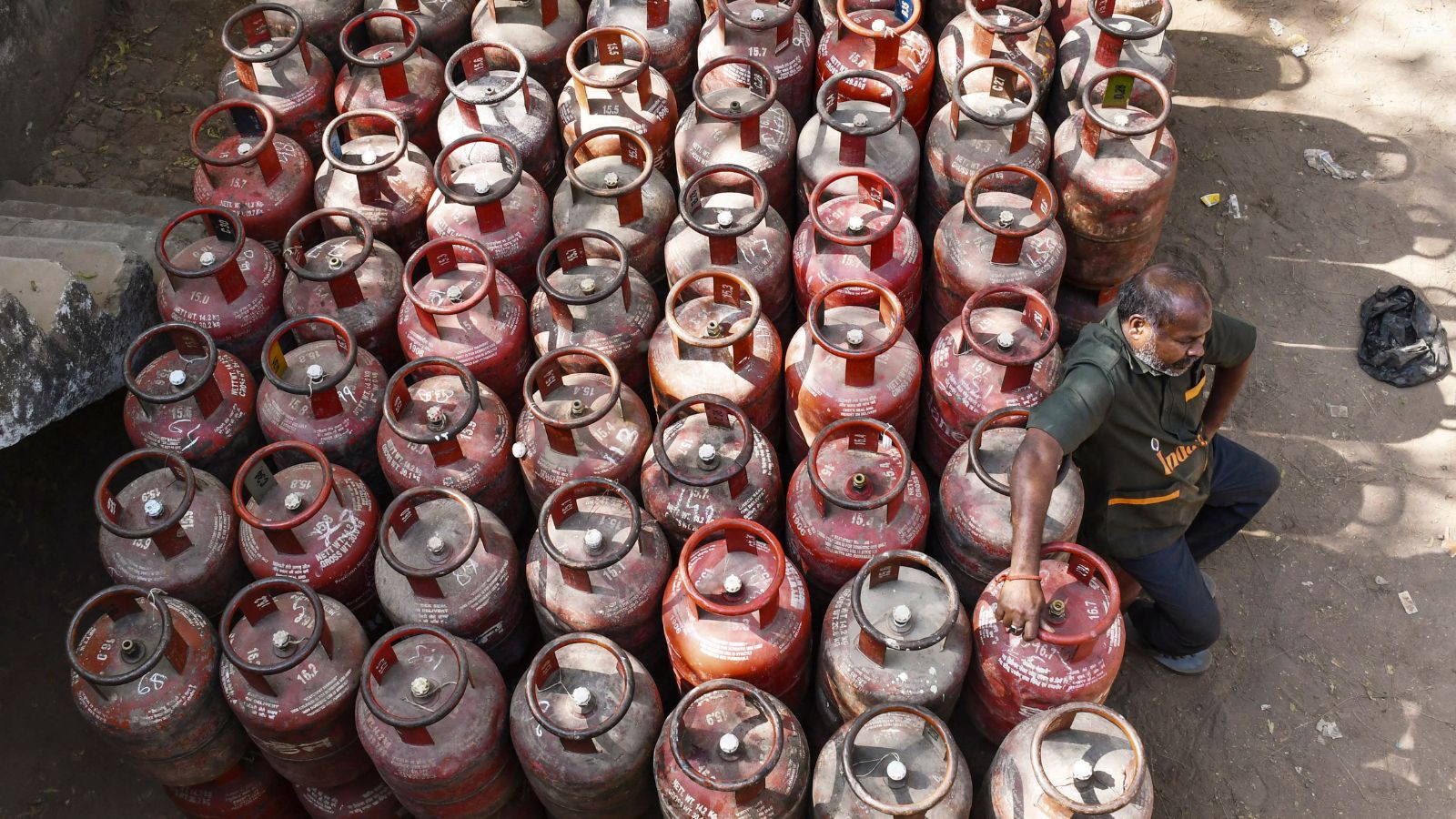
Driven by fears of LPG shortages due to the conflict in Iran and disruptions in the Strait of Hormuz, Indian consumers have cleared out induction stove inventories. From local shops to quick-commerce apps, the message is the same: West Asia’s energy crisis has officially moved into the Indian kitchen.

The LPG crisis has rapidly escalated beyond residential kitchens, crippling India’s hospitality sector and hitting small-scale food vendors the hardest. Major urban hubs are seeing significant disruptions, with nearly 20 per cent of Mumbai’s restaurants reportedly shutting down and Bengaluru’s hotel associations warning of widespread closures due to a lack of commercial cylinders. For street-side vendors and small eateries, the transition to electric cooking is far more difficult; the high cost of compatible utensils and the slower pace of induction cooking have forced many to revert to traditional firewood or halt operations entirely, leaving the daily wage labourers who depend on them with fewer affordable meal options.
The hospitality sector and manufacturing industry are both frantically pivoting to manage the fallout of the LPG shortage. Large kitchens and institutional facilities, such as hospitals, are simplifying menus, cutting labour-intensive or high-heat dishes like tandooris and shifting toward electric or centralised meal services to stay afloat. While manufacturers are pulling out all the stops, including air-shipping parts and increasing factory shifts, they simply cannot keep pace with a demand that spiked almost overnight.
The middle class is adjusting by experimenting with electric cooking. Some households are dusting off old rice cookers and electric kettles. Others are learning that their favourite iron tawa does not work on induction and rushing back to the market to buy new cookware.
For daily wage workers and migrant labourers, however, the story is different. Many depend on affordable meals from neighbourhood eateries. When small restaurants close, it is not merely a culinary inconvenience; it disrupts an entire urban ecosystem of survival.
What this episode ultimately reveals is the deep interconnectedness of the global economy. A war fought far away in the Middle East is not merely a geopolitical headline; it determines whether a dosa stall in Bengaluru can open tomorrow morning or whether a family in Delhi can cook dinner.
One may support or oppose the politics surrounding the conflict. Opinions will remain divided. But the aftermath of war does not respect ideological boundaries. Its consequences travel silently through trade routes, shipping lanes, and supply chains until they arrive at the most ordinary of places — our kitchens.
And perhaps that is the uncomfortable truth. We often watch international conflicts as if they were distant spectacles, unfolding on television screens or social media feeds. Yet events thousands of kilometres away have a way of reminding us that we are never merely spectators.
Because when the war reaches the stove, the audience or the neutrals become part of the story.
The writer teaches economics at Dr B R Ambedkar College, University of Delhi
