



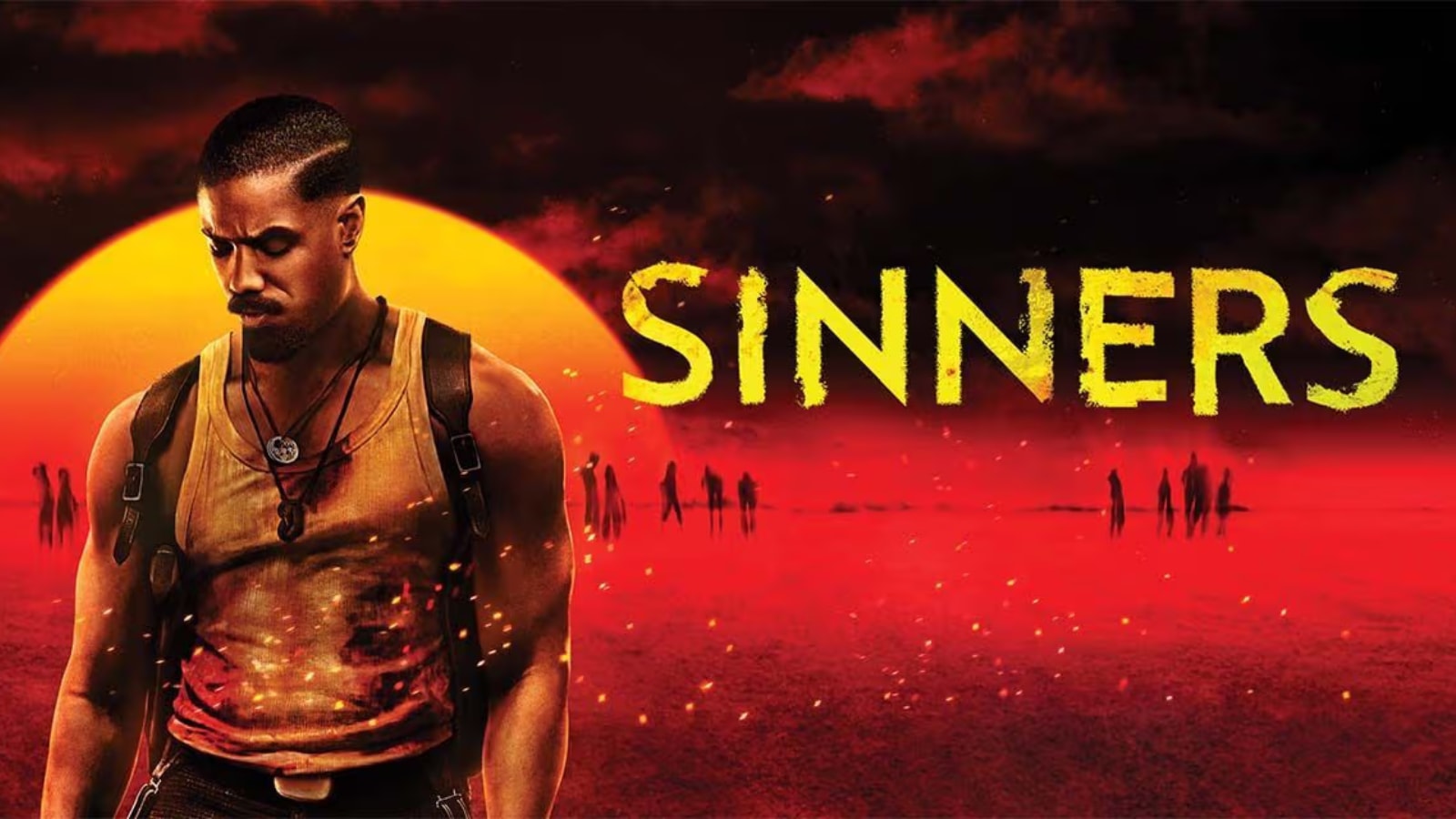
In Ryan Coogler’s supernatural drama Sinners, the meat comes from twin gangsters Smoke and Stack (both played by Michael B Jordan) and the pale blood-sucking vampires, who emerge as a metaphor for white supremacy. The real work of carrying the film’s politics, however, is done by its music: The blues that rise stubbornly, wrapped in grief, gospel, wit, and even defiance.
The impressive score by Swedish composer Ludwig Göransson, who won his third Oscar today (the last two being for Oppenheimer and Black Panther), draws enormously from the musical vocabulary of the Mississippi Delta in the 1930s, the period in which the film is set, when the blues, with its slow blend of guitar strings and plaintive notes, wasn’t just entertainment. The blues, in its music and lyrics, in every twang and every riff, also bore the weight of segregation, the racial apartheid imposed by the Jim Crow laws. Gorranson travelled the “blues trail” with Coogler and his father, a blues guitarist, immersing himself in the landscape and culture that shaped the genre.

But the trail leads further back. The genre has its origins in the centuries of the transatlantic slave trade, when millions of Africans were forcibly brought to the US. The little that they brought along included their musical traditions and some instruments that miraculously made it. Born in the aftermath of slavery, the songs, steeped in African traditions, came from the the Deep South’s cotton fields and rail yards where they originated as work songs, the call-and response patterns, sometimes as a holler to help the other workers know of the arrival of the farm owners and at other times, just expressing longing and pain after a hard day’s work, all of it gradually evolving into what we now recognise as the blues. The music travelled with the Great Migration in the mid-20th century, where millions of Black people seeking better economic opportunities and respite from racial discrimination migrated to the Northern and Midwestern states, settling down in places like Detroit, Chicago and Memphis.
Amid the racial segregation that was mandated, the blues became even sharper, always an act of survival, a collective release, and a sort of masked commentary on everything the African-American community went through.
Coogler, through Sinners, taps into that tradition, presenting the blues as a living, breathing example of Black survival. From the fields and prisons, when the blues were performed at juke joints — those dimly lit wooden shacks often at the edge of the town, the kind one sees in the film — these roadside spots turned into a haven for a few hours, where freedom was briefly felt. In the stomps of the feet, singing and dancing, and just gathering together and singing, one could dull the weight of the world. And these are what became the beating heart of the blues.
The song ‘I lied to you’, the centrepiece in the film, sung and performed by Miles Caton, is a heartfelt ode to the blues, the music that went on to shape everything from jazz and rock ’n’ roll to contemporary pop. But the original artistes would be erased from the narrative as record labels got White artistes to cover some of what they called “race music”, embracing the sound but sanitising it and making it palatable for a mainstream audience. The song is also significant as it presents centuries of Black musical history in a single sequence: African drummers, a Jimmy Hendrix-style guitarist, and a hip-hop DJ connect musically in the same space, demonstrating an unbroken string of this music that binds them all. This is a sequence that acquires a different significance with concerns regarding the erasure of Black past at this time as the Donald Trump administration seeks to rewrite history books.
Sinners also explores the mystery of the blues by interweaving musical folklore and the stories of the “devil” associated with the genre, inspired by the lore of blues legend Robert Johnson, who, when down and out as a musician, supposedly sold his soul to the “devil” in exchange for supernatural musical powers. His music eventually inspired greats like Eric Clapton, the Rolling Stones, and Muddy Waters, a key figure in the blues transition. Coogler weaves the myth into its atmosphere. The film tells us that the songs, if powerful enough, can summon the spirits.
In Sinners, music becomes the connection between past and present, shifting our headspace to the idea that the past can never be fully buried and will always find a way to linger. It tells us that, even if erased, music will summon the long, brutal history of the Black people. If called out to, the past will, almost every time, answer across time.
The writer is senior assistant editor, The Indian Express. suanshu.khurana@expressindia.com

