



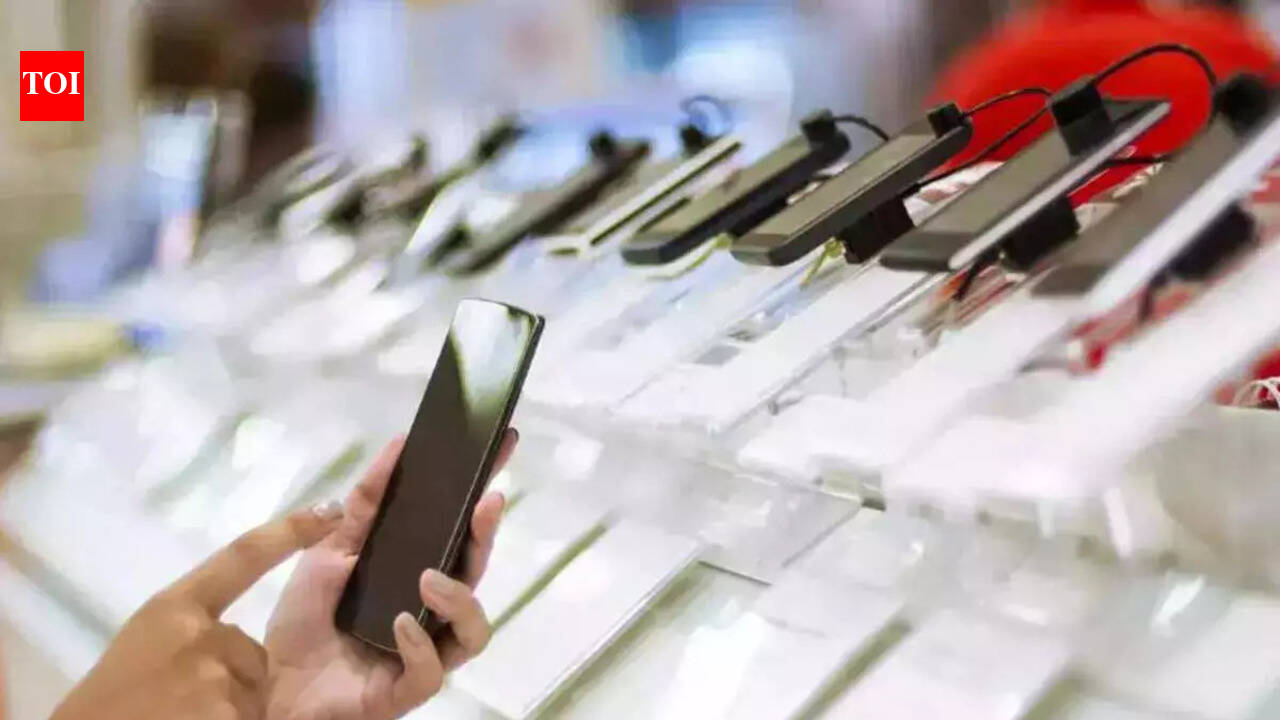

The Middle East crisis has entered its fourth week and the impact might spill across some Indian industries too. Smartphone market is beginning to feel the strain, with analysts cutting shipment forecasts again as the conflict starts to impact both demand and supply. Research firms have lowered their projections for 2026, pointing to a tougher road ahead. Counterpoint Research now sees shipments at 139 million units, down from 142 million earlier, while Omdia has revised its estimate to 142–145 million from 148 million. Analysts say these numbers could be revised further if the situation does not improve. IDC has taken a more cautious view, expecting shipments to fall to 132 million units in 2026 from 152 million in 2025. The downgrade also reflects ongoing shortages of key components like memory and storage, adding to the pressure on the industry. These are the sharpest cuts in outlook since the Covid-19 pandemic. The Middle East tensions are adding to the uncertainty. With prices of essential goods rising, consumers are likely to cut back on discretionary spending, including smartphones. Industry players say the real impact could be felt more strongly in the second half of the year. “The current market scenario is a bloodbath and the second half of the year will be even worse,” Upasana Joshi, research manager, IDC India told ET. There are already signs of demand slowing, especially in the mass-market segment. “The Iran-Israel conflict is creating a layer of uncertainty, and in such environments, consumers tend to delay discretionary purchases like smartphones,” Tarun Pathak, research director, Counterpoint Research told the financial daily. Companies, in turn, are becoming more careful, tightening inventory, working closely with retailers and offering targeted incentives to keep sales moving in a weaker market. Omdia analyst Sanyam Chaurasia said the second half of 2026 could be particularly challenging, as higher oil and logistics costs are expected to affect rural incomes and agricultural output. Rural markets are likely to be hit harder, while retailers are also pushing back against stocking extra inventory amid weak demand. The sector is also dealing with supply-side challenges. Earlier this year, most brands had already raised prices after memory and storage costs surged 40–50% due to strong demand from AI data centres, forcing suppliers to shift production. Now, disruptions in West Asia are expected to make things worse. Trade routes have been affected, and there are concerns over the supply of helium, a key input for semiconductor manufacturing. Qatar, a major supplier, has halted gas shipments, possibly due to damage at its facilities. All of this is likely to push up production costs further, which could eventually be passed on to consumers, putting even more pressure on demand.
