



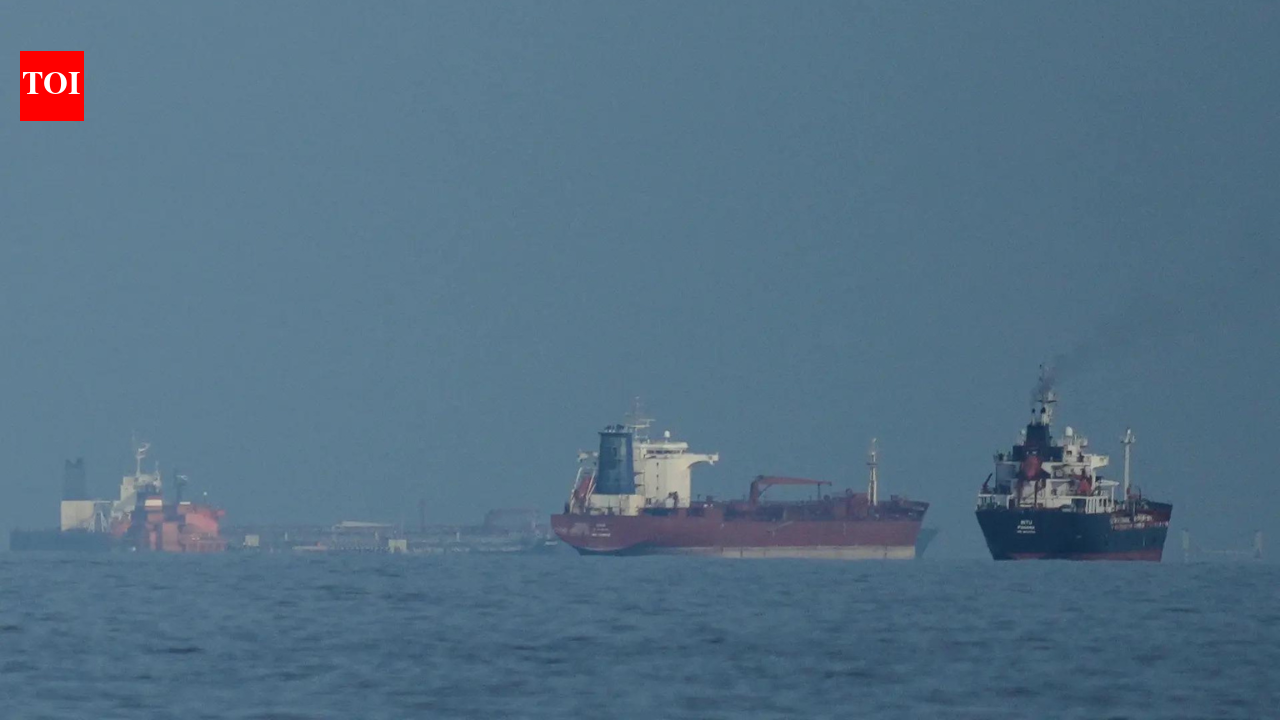
Iran has turned back a Pakistan-bound container vessel attempting to pass through the Strait of Hormuz, citing a “lack of permission” and failure to comply with maritime protocols. According to Alireza Tangsiri, commander of the Islamic Revolutionary Guard Corps (IRGC) Navy, the vessel identified as SELEN was intercepted and forced to turn back after it failed to meet required legal conditions for transit. “The container ship SELEN was turned back by the IRGC Navy due to its failure to comply with legal protocols and lack of permission to pass through the Strait of Hormuz,” he said.UN sounds alarm as Middle East war rages on — Follow live updates
Tangsiri added that passage through the narrow waterway requires “full coordination with Iran’s maritime authority”, framing the action as an assertion of national sovereignty. “The passage of any vessel through this waterway requires full coordination with the maritime sovereignty of the Republic of Iran,” he said, adding that enforcement efforts were backed by public support.The incident comes amid heightened tensions in the Gulf, with Iran effectively tightening control over the strait, a vital artery through which roughly a fifth of global oil shipments pass. Tehran has signalled that “non-hostile vessels” may still transit the route, provided they comply with safety and security regulations and coordinate with relevant authorities.However, Iran has drawn a clear line against what it calls “aggressor parties”, warning that vessels linked to the United States and Israel — or those supporting them — would not qualify for safe passage.The disruption has had immediate global economic repercussions. Oil prices, which had surged sharply since the start of the conflict, showed signs of easing on hopes of de-escalation, with Brent crude falling below the $100 mark in recent trading. Despite this dip, prices remain significantly elevated, reflecting persistent uncertainty in energy markets.Beyond oil, the crisis is beginning to ripple into global supply chains. The World Trade Organization has warned that disruptions to fertiliser shipments through the strait could threaten global food security, as shortages and rising costs hit agricultural production worldwide.The broader conflict continues to escalate, with the United States moving additional troops to the region even as it pushes a 15-point ceasefire proposal through intermediaries, including Pakistan. Iran, however, has dismissed the prospect of negotiations, insisting there are no ongoing talks.

