



4 min readMar 28, 2026 06:26 AM IST
First published on: Mar 28, 2026 at 06:26 AM IST
While drafting the US Constitution, in The Federalist Papers, James Madison raised a pertinent question: Quis custodiet ipsos custodes (Who guards the guardians?). This was prompted by an earlier query posed by Alexander Hamilton while opening Federalist No. 1: “whether societies of men are really capable or not of establishing good government from reflection and choice, or whether they are forever destined to depend for their political constitutions on accident and force”. Given human fallibility, the makers of the US Constitution envisaged a system of checks and balances by building various institutions with equal authority. “Ambition must be made to counteract ambition,” Madison proclaimed.
Donald Trump has either not read The Federalist Papers or does not care to abide by the wisdom of America’s constitution-makers. He believes in his own wisdom and refuses to be guided by any internal authority, be it Congress or the judiciary. He believes in the doctrine of “strategic inconsistency” and loves to keep the world on tenterhooks. It seemed to have worked well for a year, forcing many world powers to kneel. But one country, Iran, is posing a serious challenge to that, succeeding in turning Trump’s “strategic inconsistency” into “strategic incoherence”.

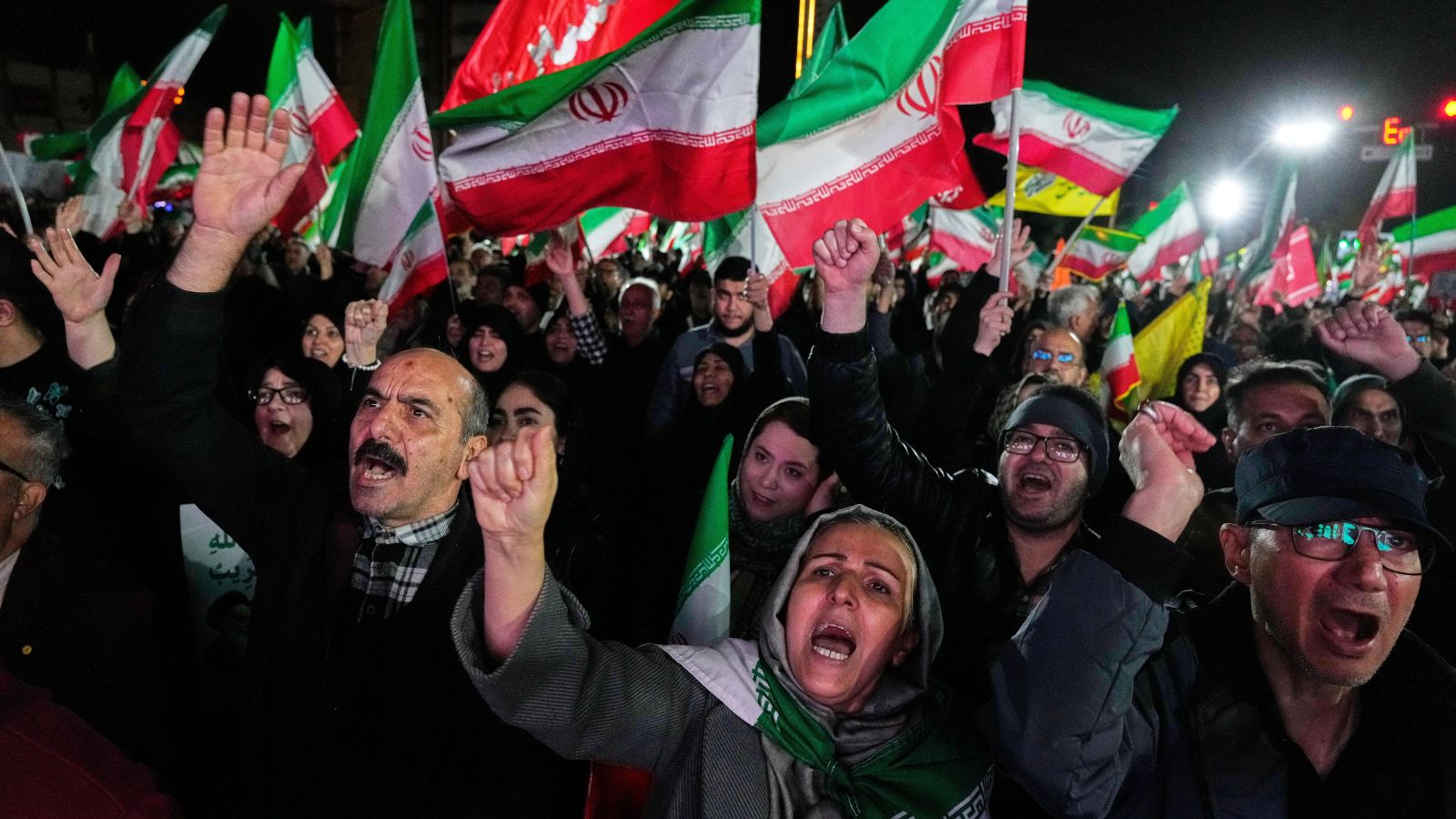
America and Israel began their military campaign against Iran a month ago with the stated aim of “regime change”. Supreme Leader Ayatollah Ali Khamenei and dozens of senior officials have been eliminated. But far from collapsing, the regime has continued to challenge the US and Israel through its asymmetric capability. It is clear that Iran, not America or Israel, will now determine how and when to end the war.
The Americans are struggling to find an exit plan. Some of them are now talking about “change in the regime” instead of “change of the regime”. Trump even talked about the joint management of the Strait of Hormuz with “the Ayatollah”. We were told after last year’s missile attacks that Iran’s nuclear capability was completely destroyed. But the US now says that the “removal of all the highly enriched uranium” would be one of its demands for ending the war. So, we now learn that the stockpiles are safely concealed and Iran’s nuclear capability is far from finished.
Wars are easy to start but difficult to end. Yet, every country that goes to war — Russia or Israel or America — thinks otherwise. In this age, all wars have global consequences. The Ukraine war caused severe food shortages across continents. The Iran war is leading to an “energy emergency”. Countries now realise that not only terror groups like the Houthis, but even sovereign nations can use global commons as bargaining chips.
Iran’s biggest victory is in forcing the US to the negotiating table. America’s biggest failure is turning to Pakistan, a rentier state known for its own lawlessness, for mediation. The US has tried to elicit support from its European and Asian allies. But none came forward. The UK, France, Germany, Spain and Italy refused to join the war effort, and countries like Poland, the Czech Republic, Bosnia and Herzegovina, and Albania have remained passive supporters.
India, too, wisely opted to stay out of the conflict. Ignoring taunts by an unimaginative Opposition, the Indian government stuck to the line that de-escalation, negotiations and diplomacy should be the way forward. No major power wanted to take the risk of mediating between the ayatollahs and Trump. Oman, a middle power, made valiant efforts with its foreign minister, Badr bin Hamad Al Busaidi, shuttling between capitals till the last moment to avoid war. In the end he, too, lamented that “active and serious negotiations… were undermined”.
Is strategic neutrality the only right option in such situations? In the face of total failure of global multilateral institutions as evidenced during the Ukraine and Iran wars, shouldn’t major powers take a more proactive role in settling disputes before they turn into conflicts, allowing failed regimes Pakistan to pretend to be peacemakers?
The writer, president, India Foundation, is with the BJP
