



5 min readMar 30, 2026 07:02 AM IST
First published on: Mar 30, 2026 at 06:00 AM IST
It is a great pleasure and honour to be here today at the Ramnath Goenka Excellence in Journalism Awards — an occasion that celebrates professional achievement as well as the enduring spirit of fearless and principled journalism.
Ramnath Goenka was a patriot, a nationalist, and an industrialist with a strong sense of social responsibility. These awards, in their 20th year, honour the legacy of Goenkaji, which was defined by courage, independence, and an unwavering commitment to truth, especially during some of the most challenging periods of our nation’s history. At a time when the role of the media is both more powerful and more scrutinised than ever before, his ideals continue to serve as a guiding light.

True journalism means standing with the positive and constructive aspects of society and opposing the negative and unconstructive ones. Wrong should not be published. Journalism should help correct wrongs, to help leaders have correct views in the larger interest of society. Freedom is important. Human beings think differently and act differently. In a democracy, differences of opinion are natural, but they should lead to more constructive and vibrant solutions. We should not differ in ways that create permanent divisions and confrontation.
For democracy to remain vibrant, it must accept the right suggestions from everyone. It is through the rigorous exchange of ideas, the questioning of assumptions, and the respectful accommodation of differing viewpoints that policies are refined and decisions gain legitimacy. I firmly believe that discussion, debate and even dissent should ultimately lead to decision-making in the interest of the nation, rather than disruption.
Goenkaji always stood for freedom; that is why he opposed the Emergency. During the Quit India movement, he declared the shutting down of the newspaper in protest against press gagging by the British. It was not an easy decision — it was a very tough one — but he set aside his personal aspirations in the national interest. Not only that, Goenkaji went on to become a member of the Constituent Assembly. His important intervention relating to the taxation of newspapers in the Constituent Assembly will always be remembered.
The power of written and spoken words is well known to everyone. But Goenkaji demonstrated the power of silence by printing a blank editorial during Emergency. He opposed it with strong will, confidence in his heart, and firm conviction. We are enjoying the fruits of that freedom today. Goenkaji refused to buckle under pressure despite the editor being sent to jail and power supply to the newspaper being cut off. Despite suffering huge financial losses and harassment, Goenkaji held on to the spirit of vibrant democracy of our great Bharat during that dark chapter of history.
Goenkaji was born in Darbhanga, grew up in Chennai and later became a member of the Lok Sabha from Vidisha in Madhya Pradesh. He published newspapers in different regional languages along with English, so that the news and views reached the people of different regions.
Seeds take time to bear fruit — that is what Goenkaji demonstrated. I appreciate that this legacy continues even today through his family and the Indian Express Group. In my early political life, I was also influenced by such journalism, especially by Dinamani, the newspaper then published by the Indian Express Group.
I recall that in Prime Minister Narendra Modi’s address at the Ramnath Goenka Memorial Lecture last year, he had emphasised the need to consciously shed the colonial hangover. Newspapers should lead from the forefront in this endeavour.
I always emphasise that development should be inclusive — no one should be left behind. We must take care of everyone. We have to grow together, as humanity must progress together. When the world was grappling with Covid, many nations and multinational pharmaceutical companies developed vaccines, and some sought to patent them for greater profits. However, India, under the leadership of Prime Minister Narendra Modi, developed vaccines and provided them free of cost to our people, while also supplying them to more than 100 countries. That is the greatness of Bharat. That is why I always say we should be strong — not to dictate terms to others, as that is not our culture — but strong enough that no one can dictate terms to us.
This is the inspiration I draw from the life of Goenkaji — that we should not be afraid of anything, never be cowed down by anyone, and never expect anyone to be subservient to us. With this, I conclude. I congratulate the organisers for continuing this important tradition of recognising excellence in journalism.
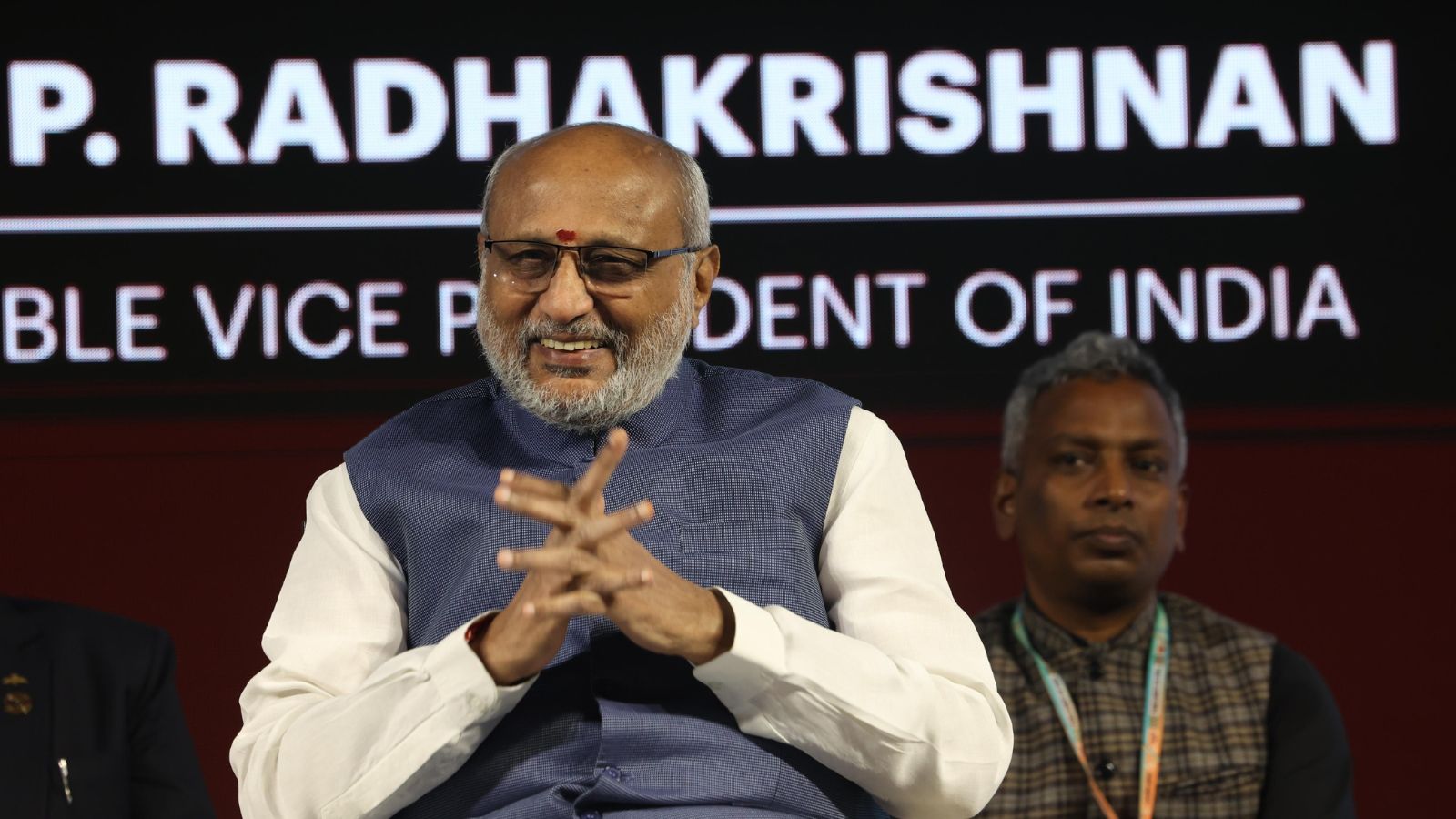
The writer is the Vice President of India. These are edited excerpts from his speech at the Ramnath Goenka Excellence in Journalism Awards on March 27

