



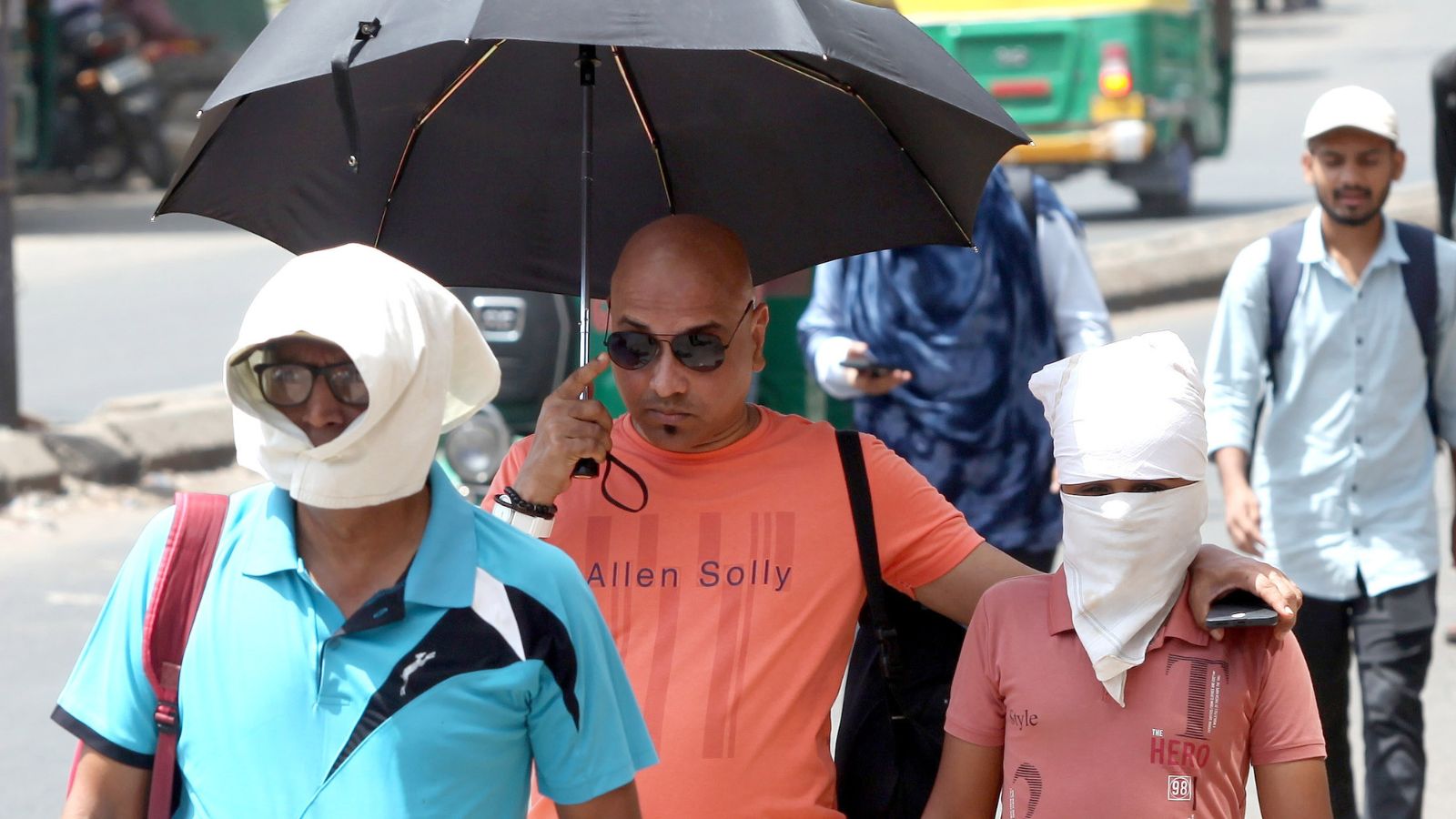
In recent years, India has witnessed a distinct rise in heatwaves, impacting public health, the environment, and social cohesion. According to World Bank estimates, by 2030, more than 200 million people in India will experience high temperatures annually, and approximately 30 million people will lose their jobs due to reduced productivity caused by heat-related stress.

From a public health perspective, this year’s summer holds particular significance as it coincides with the assembly elections scheduled to take place across the country in April. Assembly elections are set to be held in four Indian states and one union territory this year. These elections will span 824 constituencies, with approximately 174 million eligible voters participating in this democratic process. The India Meteorological Department has warned that several parts of the country may experience hotter-than-average days this summer.
In light of elections being held during the oppressive peak of summer, it will be crucial to anticipate and mitigate the harmful consequences of heatwaves. Beyond community-level preparedness, public safety during outdoor events must be a government priority. To achieve this, robust and collaborative efforts are required to safeguard public health and bolster community resilience.
Community awareness, effective heat and health communication strategies, efficient early warning systems, community-led preparedness, and well-planned targeted awareness campaigns are among the most effective strategies for reducing the burden of heat-related illnesses within the population.
These elections coincide with the transition from the current El Niño phase — which typically causes heat and aridity in the country due to the warming of the Pacific Ocean — to the forecasted La Niña phase, which may influence weather variability, including heat patterns. On election days, overcrowding and a scarcity of shelter facilities could exacerbate heat-related health issues.
Given the hardships experienced during last year’s summer season — when numerous deaths occurred not only due to high daytime temperatures (ranging from 34 to 38 degrees Celsius) but also due to excessive humidity levels — taking precautionary measures is essential. The tragic deaths of 14 individuals due to extreme heat at an open-air rally in Navi Mumbai in April 2023 serve as a grim warning: Failure to implement safety protocols could lead to severe adverse health consequences, potentially resulting in fatalities or widespread illness among the general public.
Consequently, election-related activities — such as campaigning and rallies — must be organised with the impact of the heat in mind. By promoting awareness regarding heat exposure, fostering community-level preparedness, and encouraging the prompt reporting of health-related concerns, it is possible to mitigate the severe health consequences associated with heatwaves.
Based on seasonal forecasts provided by the IMD (India Meteorological Department), the Election Commission of India (ECI) has issued heatwave advisories well in advance of the elections. Drawing upon guidelines issued by India’s National Disaster Management Authority (NDMA), the ECI has released a comprehensive list of “Dos and Don’ts” regarding heat safety. Ensuring the safety of voters during the election period will necessitate widespread community awareness regarding heat protection measures.
Beyond the organisers, individuals participating in these events must also shoulder their share of responsibility. When attending such gatherings, it is crucial to carry an adequate supply of water and an umbrella and to avoid prolonged exposure to the outdoors. The ECI has issued additional regulations governing the organisation and conduct of political campaign rallies. It is vital to adopt specific preventive measures designed to help individuals remain fit and healthy throughout the election campaigns, rallies, and the polling process itself.
Consuming simple, light meals on a daily basis is essential. Such foods and beverages help maintain the body’s optimal energy levels and aid in preventing dehydration. One should steer clear of junk food and deep-fried items, as these require a significant amount of water for processing and take a considerable amount of time to digest. Consuming spicy food can also make you feel hot.
When participating in large gatherings, political rallies, or electoral processes, individuals should wear light, loose-fitting cotton clothing, as well as wide-brimmed hats or caps and sunglasses. If individuals experience symptoms such as dizziness, weakness, anxiety, intense thirst, or headaches, it is advisable to seek assistance at the nearest healthcare facility. It is crucial to immediately move to a cool environment and check one’s body temperature. People should avoid prolonged exposure to the heat — particularly during the hottest part of the day — and must not ignore symptoms of dehydration or heat exhaustion, such as profuse sweating, dizziness, or nausea.
Community-based NGOs should raise awareness among the public — specifically the elderly, youth, pregnant women, and outdoor workers — regarding the identification of heat-related illnesses, preventive measures, and first aid procedures.
In the upcoming election season — when millions of Indians will have to endure dangerously high temperatures to cast their votes — public health must be prioritised. Large-scale awareness campaigns and proactive community preparedness are essential to protect people from heat-related illnesses.
This will serve the interests of both voters and election officials, while also drawing attention to the significant heat-related hazards that are escalating across the country due to climate change. As the Indian population navigates the election season amidst extreme weather conditions, the health and safety of every individual must be given top priority.
The writer is a health policy expert

