



Little would Jane Austen have realised that the opening line of Pride and Prejudice would survive into the 21st century, albeit with a small amendment: It is a truth universally acknowledged that a single man in possession of a good fortune must be in want of a “slim” wife.
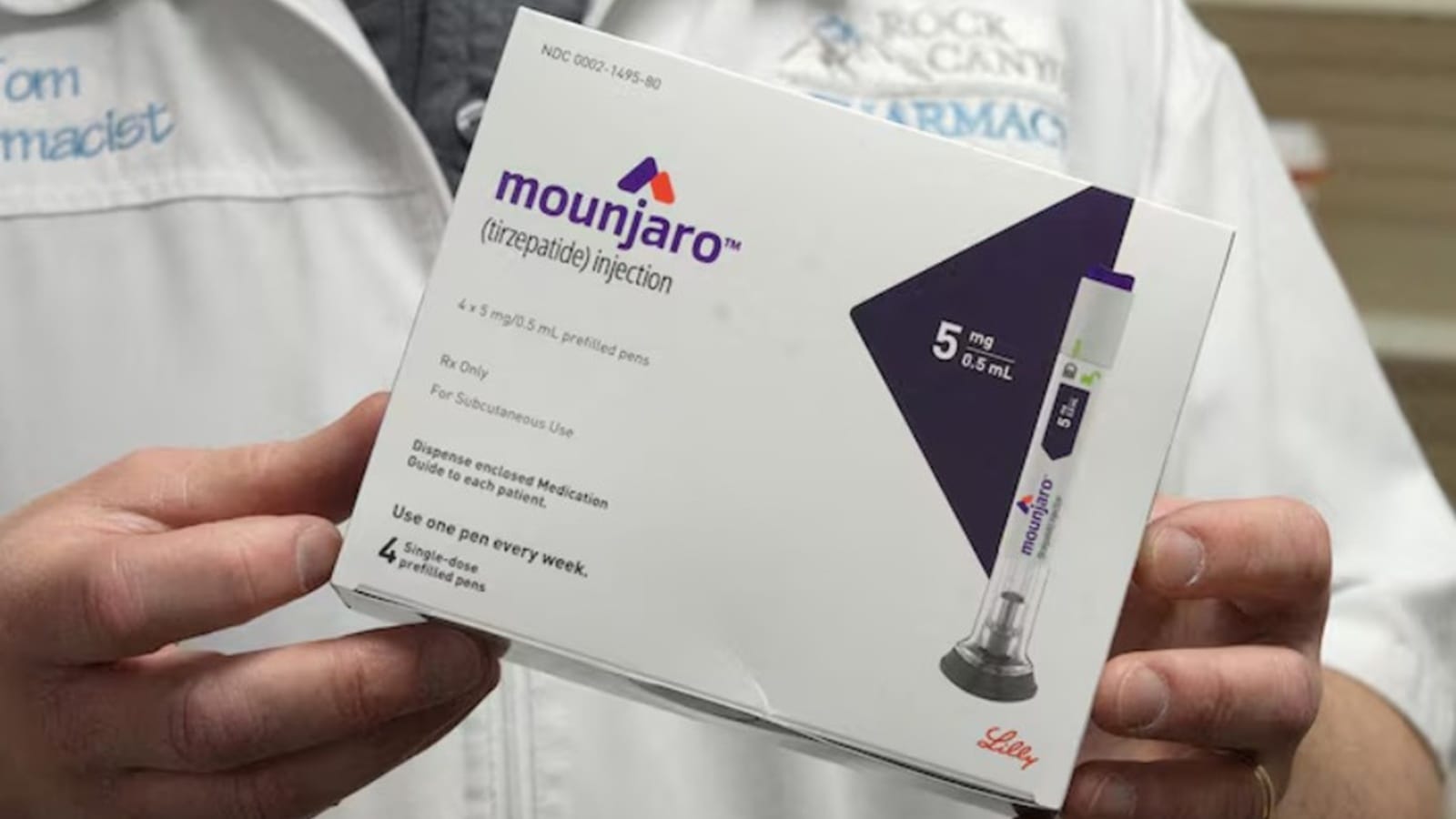
The “Mounjaro bride” is the newest social archetype in India. In an age shaped by Instagram aesthetics, social media filters, and Bollywood’s stick-thin ideals, endocrinologists are increasingly fielding requests from soon-to-be brides and bridegrooms seeking rapid pre-wedding weight loss through jabs of drugs such as Mounjaro, Ozempic, and Wegovy. Gym trainers and dieticians are advertising crash weight-loss packages, while beauty parlours promote weekly “jabs” promising the face that launched a thousand ships.

Until recently, such treatments were prohibitively expensive. But with the expiry of Ozempic’s patent, held by the Danish manufacturer Novo Nordisk, in March 2026, Indian pharmaceutical companies have begun racing to fill the lacunae by introducing generics that are expected to be far cheaper. A similar rush was observed when Sitagliptin (for type 2 diabetes) went off-patent in 2022, with nearly 30 branded versions appearing within a month and almost 100 within a year. This, as investment bank Jefferies describes it, may well be India’s “magic pill moment”.
Large clinical trials such as the Semaglutide Treatment Effect in People with obesity programme (STEP programme) showed average weight reductions of nearly 15 per cent of body weight with semaglutide, Ozempic’s generic molecule — levels previously seen mainly with bariatric surgery. In fact, despite being in the market since the turn of the last decade, these GLP-1 agonists were ushered into the spotlight after being established as effective weight-loss drugs. So dramatic was this shift that their use in the United States increased nearly 40-fold, even as their prescription as antidiabetic drugs fell to almost half of the earlier levels.
These drugs are reshaping the very idea of fatness itself. For decades, obesity was dismissed as laziness, weak willpower, a lack of self-discipline, rather than being recognised as a chronic disease. Historically, fuller bodies signified prosperity and abundance. Hindu iconography celebrates Ganesha’s pot belly as a marker of cosmic balance. Kubera and Pluto, deities associated with wealth in Indian and Greco-Roman mythologies, respectively, were often depicted as large-bodied figures. Classical European art, from the Venus of Willendorf to the paintings of Peter Paul Rubens, treated corpulent female bodies as attractive and desirable.
GLP-1 medicines act by suppressing hunger and promoting satiety, and thereby, improving insulin release in the body. These drugs often need prolonged use before their effects appear. Also, not everybody will respond similarly to the weight-loss potential of this drug. Body weight, it turns out, is governed not only by behaviour but by hormones, genetics, and metabolism.
Evolutionarily, fat once signified security — energy reserves for times of scarcity. The shift from valuing fullness to idolising thinness is not natural; it is shaped by modern capitalist food systems, where starchy foods have become cheaper while nutritious diets and gym training have turned into markers of privilege. Researchers also warn that stopping these drugs may come with weight gain, as the body is engineered to correct its hunger–satiety axis. In fact, evidence suggests nearly two-thirds of the weight lost on Ozempic returns within a year of discontinuation.
In postmodern societies, obesity cannot be understood through biology alone; it is deeply shaped by social and environmental forces that demand equal attention. The rapid rise of app-based food delivery, shrinking access to safe recreational spaces, longer sedentary work hours, urban designs hostile to walking, aggressive marketing of ultra-processed foods, and the widening affordability gap between calorie-dense and nutritious diets have all contributed to an obesogenic environment. Giles Yeo, a geneticist at the University of Cambridge, has warned that governments may begin to treat weight-loss drugs as substitutes for structural reform. Experts also warn that the cultural pressure surrounding these drugs may not necessarily make societies less obese, but more fat-phobic. As pharmaceutical weight loss becomes normalised, the expectation to be thin risks hardening into a new social obligation rather than a medical choice.
India’s “magic pill moment” also arrives against the backdrop of a regulatory system that has often struggled to keep pace with the scale of its pharmaceutical market. Weak enforcement, uneven prescription control, and the widespread availability of potent medicines without supervision have long been recognised challenges. The over-the-counter use of antibiotics for every minor sniffle has already pushed India into the quagmire of antibiotic resistance. A similar pattern of misuse cannot be ruled out with GLP-1 agonists.
Similarly, these drugs are not without their share of side effects. The commonly reported ones include abdominal pain, nausea, bloating, constipation, muscle loss, alopecia, and cholelithiasis. Rare but serious risks such as acute pancreatitis, thyroid carcinoma, and retinal stroke have also been reported. A 2024 study suggested a 106 per cent increase in the risk of suicidal behaviour among users, although another large analysis of 1.8 million patients found the opposite. Long-term, population-level safety data therefore remain incomplete.
This raises an equally pressing question: If widespread complications emerge with expanding use, where will legal responsibility lie — with manufacturers, doctors, regulators, or with a system that allows powerful metabolic drugs to drift into the marketplace as lifestyle solutions? Episodes such as the one involving Ranbaxy Laboratories and repeated international alerts over contaminated cough syrups illustrate how lapses in pharmaceutical oversight can carry global consequences. Regulators such as the Central Drugs Standard Control Organisation (CDSCO) must ensure strict prescription control, transparent labelling of risks, and post-marketing surveillance of adverse effects. Without clear safeguards on manufacturing standards, advertising claims, pricing practices, and off-label promotion, metabolic medicines risk being recast as lifestyle injectables rather than clinical therapies. GLP-1 drugs represent a remarkable scientific advance. But whether they become instruments of public health or merely tools of aesthetic conformity will depend on how well regulators play their role and how societies choose to use them.
Gupta is a doctor and writer
