



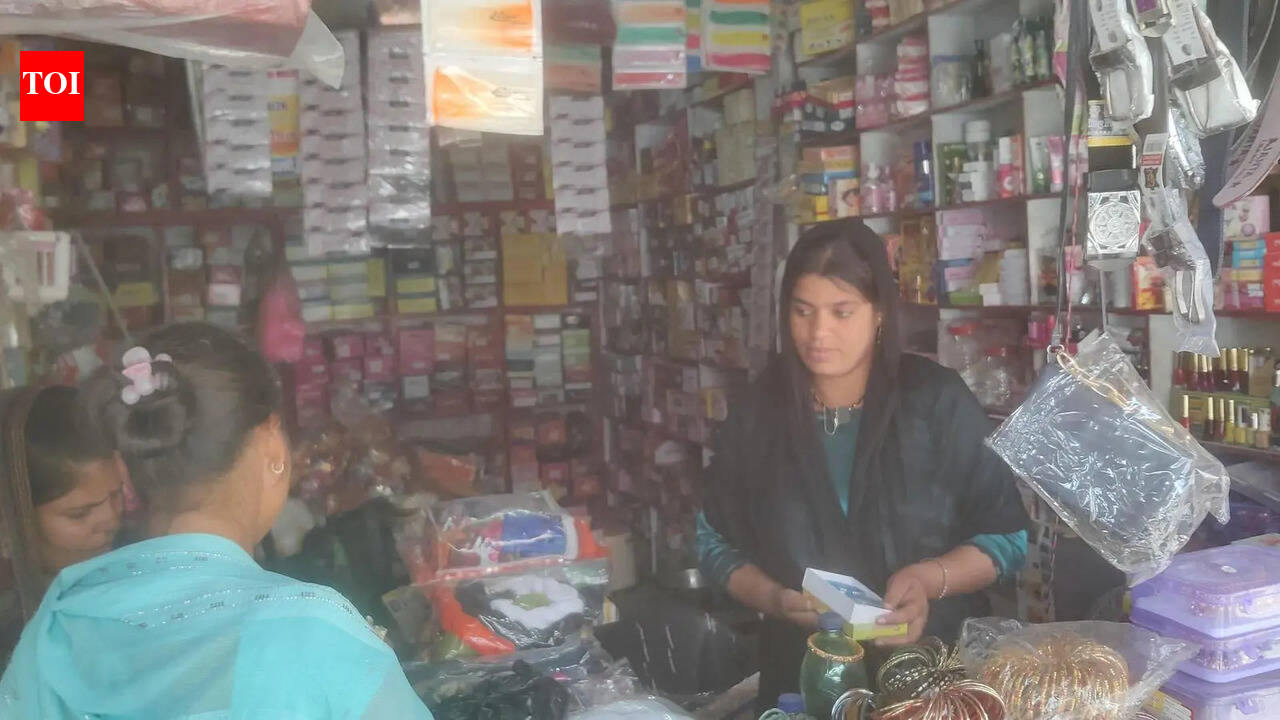
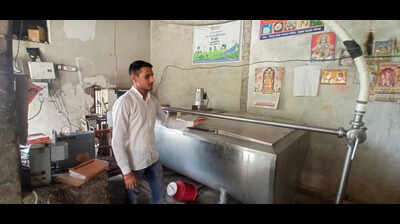
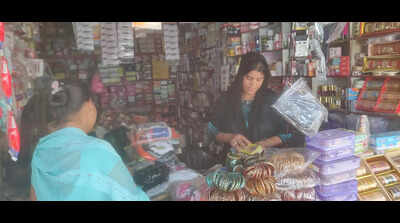
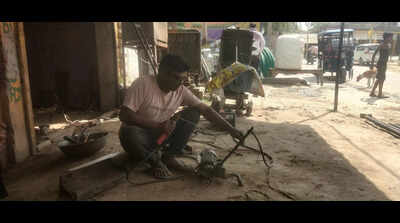
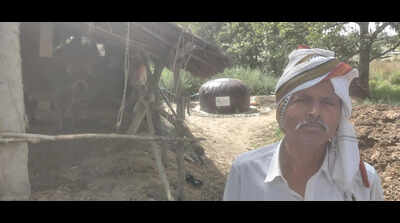
Gonda: At dawn in Paska village, Rahul Yadav switches on the humming bulk milk chiller, a quiet confidence replacing years of uncertainty. Just a few years ago, his mornings began with the roar of a diesel generator and the worry of rising fuel costs. Today, the same work runs on sunlight.Rahul, 25, manages a busy milk collection point where over 150 farmers bring nearly 2,300 lt daily. Earlier, erratic electricity forced him to depend on diesel, eating into profits. With the arrival of a solar-powered microgrid by Tata Power, his expenses have dropped, saving him around Rs300 every day. For a first-generation entrepreneur, that shift has meant stability and growth.He is not alone. Krishna Kumar Vishwakarma, a welder, recalls how power cuts once dictated his work hours. Now, with reliable solar supply, his monthly savings touch Rs10,000. The effect is visible in the village market. Salimun, a 22‑year‑old shopkeeper selling cosmetics and bangles, says business hours have extended and customer footfall has improved. “With constant power, local business has gained momentum,” she says.The transformation began when TP Renewable Microgrid set up a solar plant in 2020. Initially 30kWp and later expanded to 50kWp, it now powers over a hundred consumers, most of them small businesses. For a village like Paska located about 36km from Gonda town and 156km from Lucknow, that struggled with outages and floods, this steady energy source has become a backbone of economic activity. Milk chilling units, flour mills, tea stalls and grocery shops all run smoother, reducing losses and boosting incomes.The project has also generated local employment. Amar Singh, 23, an ITI diploma holder in electrical trades, now works as the village technician, responsible for maintaining the solar plant. “I didn’t have to migrate for work. I now have a stable job here,” he says.Beyond solar power, Tata Power is piloting Bio‑CNG and biogas solutions to deepen rural energy independence. In nearby Nayab Purwa hamlet, farmer Udyabhan Singh, who owns seven cattle, now runs a two‑cubic‑metre biogas plant. “Half a quintal of cow dung is generated daily. With this waste, my cooking gas needs are met,” he says, adding that the slurry is used as organic manure.“By merging solar power with Bio-CNG, we tackle immediate energy challenges and pave the way for a resilient, self-reliant and low-carbon future in rural areas. In Paska, energy is no longer a daily struggle but a source of empowerment,” said Manoj Gupta, chief executive officer of TP Renewable Microgrid.

