



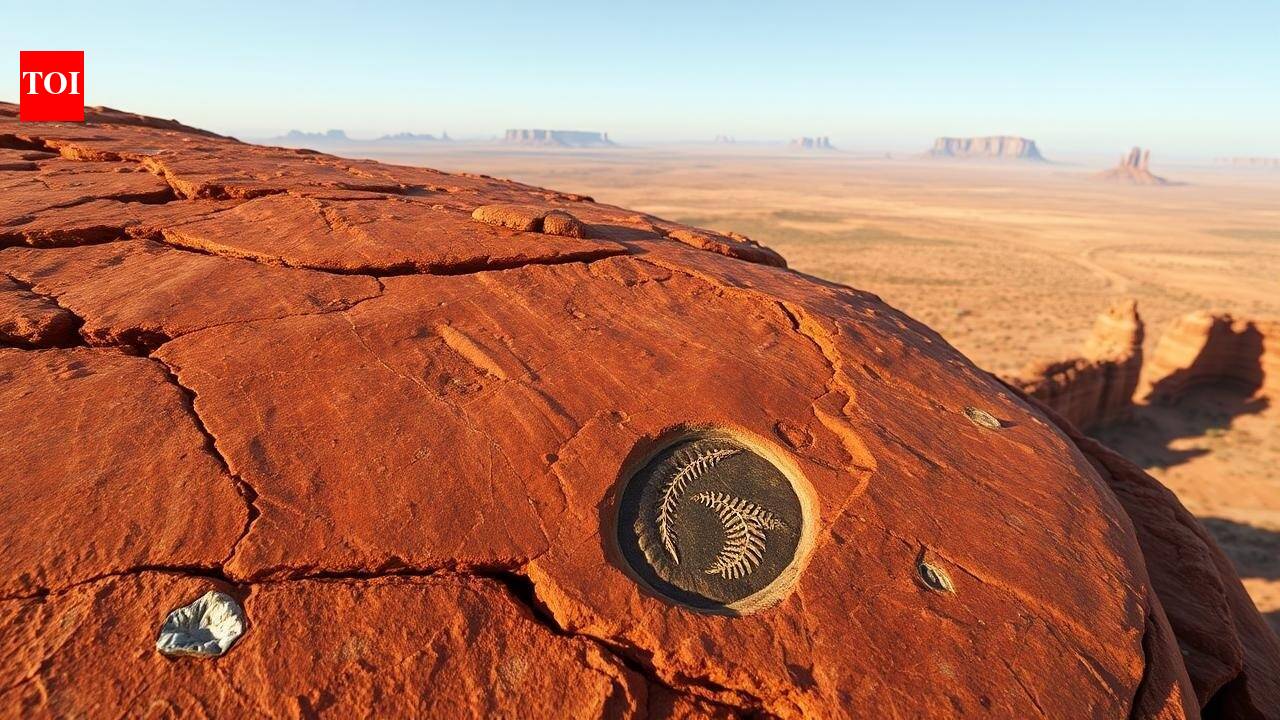
On a calm day in 2024, a New South Wales farmer found himself shifting some particularly troublesome stones around along a rusty, old fencing line. He was not hunting for artefacts or mythical objects but rather just making life a little easier on his property. It is as if he turned over one particularly hefty stone that was a rusty colour when a phenomenon happened that could hardly be believed: a perfectly preserved leaf print, looking almost brand new.It is not a mere leaf; rather, it is something much more amazing. Burying itself in the soil of his field, the man discovered a whole fossilised rainforest contained inside iron-rich rock layers from the Palaeozoic era. The accidental discovery provides researchers with unprecedented information about a lush land of huge bugs and strange trees in prehistoric times, before the continent dried out.Iron mystery of McGrath’s FlatThose scientists who were quick to visit McGrath’s Flat could only be amazed by the discovery. Usually, fossils are formed in sedimentary materials such as clay or limestone, whereas these are encased in goethite, which resembles rusted metal. As per a study published in Science Advances, the iron deposits in goethite functioned as a vacuum and replaced the biological material with incredible efficiency. So perfectly were they preserved that even individual cells and hairs of insect legs were visible under a microscope.This process is incredibly rare. Most fossils only preserve the hard parts of a creature, like bones or shells. However, at McGraths Flat, researchers have found soft-bodied secrets that usually disappear within days of death. As detailed in a study published in the Gondwana Research journal, the fossils include everything from colourful peacock spiders to giant cicadas and even the feathers of ancient birds. It is like looking at a high definition photograph of a world that existed fifteen million years ago, all because a farmer decided to clear a bit of scrub on a Tuesday afternoon.
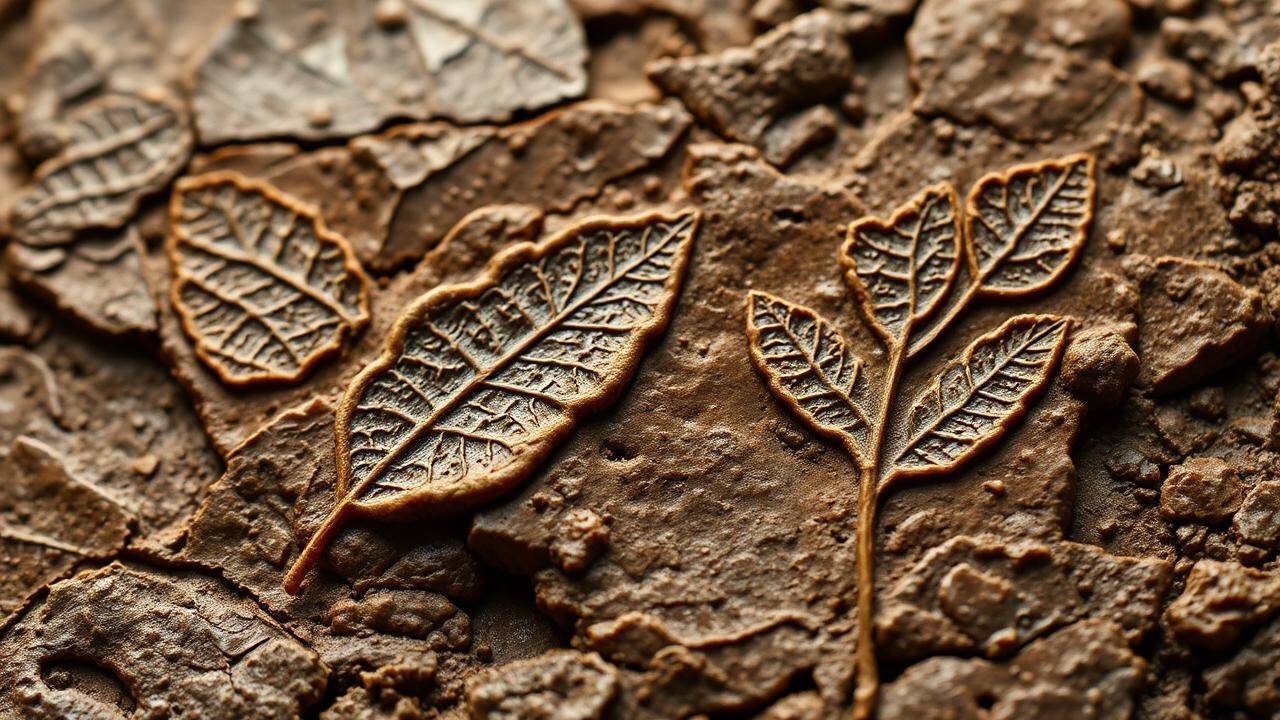
The discovery highlights the hidden historical treasures within seemingly ordinary landscapes.
This is indeed one such historic site. Approximately fifteen million years ago, Earth was getting cooler, and Australia’s extensive rainforests were beginning to dry up, leading to the creation of the current deserts that can be found here. The fossil remains at McGraths Flat represent those final remnants from this era that had to make do in a changing environment, and are still being played out in Australia’s wilderness.Magic in common dirtThere is something quintessentially human about this discovery because the rocks themselves seem so mundane. To any passerby, this site is nothing more than a pile of rusted ironstone, just the kind of rocks you would see anywhere across the land. However, it took a sharp-eyed local to recognise their true value. These “junk” rocks turned out to hold within themselves pieces of history waiting to be discovered. And as this story shows, some of the world’s most treasured secrets aren’t buried under oceans or in caves, but lie right at our feet.The discovery has silently tied together the farming community of the locality into a strange pair of keepers for something that was once hidden away in the sands of time. People now walk about their farms in awe, thinking perhaps that the jungle that has disappeared long ago is alive somewhere deep underground. Scientists from the University of New South Wales have been busy for several months out in the fields, partnering with the locals as they painstakingly break open the ironstones to reveal whatever secrets lie within them. Every time the hammer strikes the stone, there’s a chance that something new that no one has ever seen before will emerge.These pieces will eventually adorn the museum one day, as they will remain unbroken for the people who will come later on to learn from them. But for the person who saw this glow for the first time, there was never going to be anything the same. It wasn’t just that he discovered the leaves of times long gone.
