



In March 1993, a month into becoming Chief Justice of India, Justice M N Venkatachaliah faced a constitutional crisis. The apex court had ordered Dr H Borobabu Singh, the Speaker of the Manipur Legislative Assembly, to appear before it, and the Speaker repeatedly refused. The apex court and the Speaker were on a collision course.
In a 1964 face-off between the judiciary and the UP assembly, the legislature had ordered the arrest of Allahabad High Court judges. Justice Venkatachaliah must have wondered what he would do if the Speaker continued to defy the court’s authority and dignity. The 1993 crisis stemmed from a case about the defection of seven Manipur MLAs.

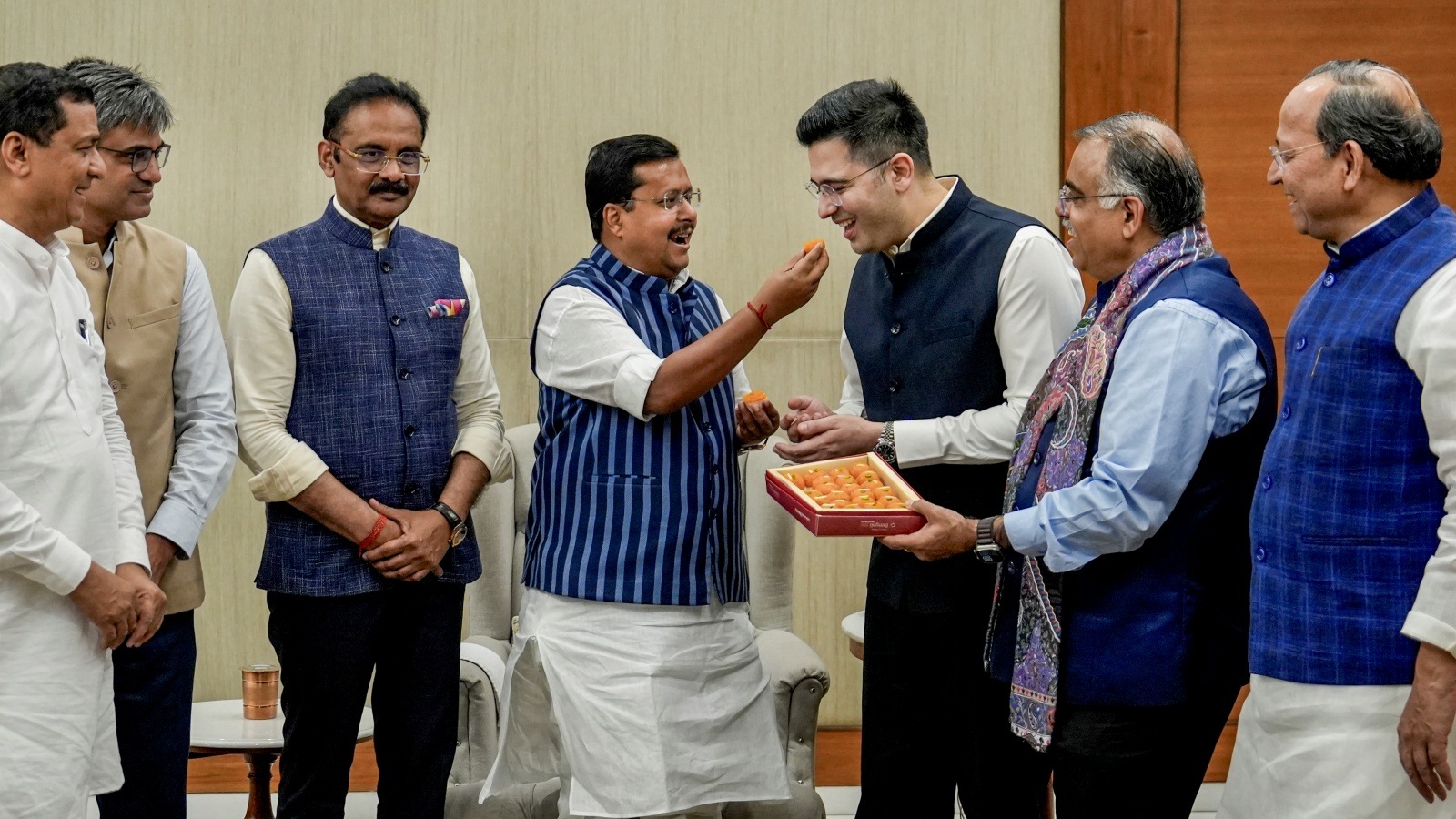
The anti-defection law is back in the news with seven Rajya Sabha AAP members requesting the Rajya Sabha Chairman that they wish to merge with the BJP under the anti-defection law. The secretariat has updated the political party affiliations of these MPs on the Parliament website to the BJP. The defection law may also capture public attention in case there are any hung Houses in the four states, Assam, Kerala, West Bengal and Tamil Nadu, whose election results are out on Monday, May 4.
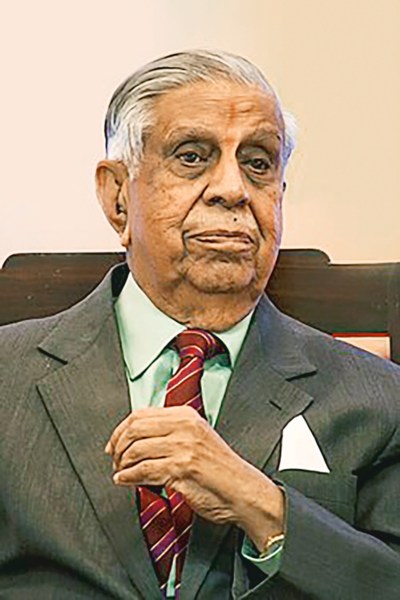 Justice (retd) M N Venkatachaliah
Parliament inserted the Tenth Schedule into the Constitution (popularly known as the anti-defection law) to prevent MPs and MLAs from shifting their loyalty from one party to another. It specifies that the presiding officers of the legislature will decide defection cases, with their decisions being final. If the Speaker decides that an MP/MLA has defected, then the legislator loses their seat in the legislature. When Parliament made the law in 1985, it also barred courts from getting involved in these cases.
During the debate on the constitutional amendment, MPs cautioned against vesting presiding officers with the power of deciding defection cases. S Jaipal Reddy, a Lok Sabha member, opposed this provision, reasoning that since a majority elects the Speaker, the individual would be at the command of the ruling party and its leadership. Prof Madhu Dandvate, a senior MP, was concerned that this power would involve the Speaker in unnecessary controversies.
With Speakers gaining the power to make and break governments, the non-partisan office came under tremendous political pressure. For example, during a trust vote, a Speaker disqualified MLAs on the House floor while the vote was underway.
In another case, a Speaker disqualified some MLAs, was himself removed, and the next Speaker reversed the decision. Another Speaker was elected as the Chief Minister after a government fell due to defecting MLAs. And in one case, a Speaker disqualified some MLAs one day and reinstated them the next day.
In July 1991, Dr Singh, the Manipur Assembly Speaker, disqualified seven Congress (I) MLAs on grounds of defection. His decision, along with those of the Speakers of the legislatures of Goa, Gujarat, Manipur, Meghalaya, Madhya Pradesh and Nagaland in defection cases, was taken up by a five-judge bench of the Supreme Court (the Kihoto Hollohan case).
This bench, of which Justice Venkatachaliah was a part, examined the constitutionality of the anti-defection law. The court held that the law was valid but struck down the provision that restricted judicial review of the Speaker’s decisions. In November 1991, the court also quashed the Manipur Speaker’s decision disqualifying the seven MLAs.
The Speaker resisted the implementation of the apex court’s decision. When the secretary of the legislative assembly tried to execute the court’s order, the Speaker removed him from service. In a case filed by the secretary, the apex court asked Dr Singh to appear before it on multiple occasions. But the Speaker refused, stating that he enjoyed constitutional immunity from the court’s orders. The court clarified that it was ordering Mr Singh’s appearance not as the Speaker but as the administrative head of the legislature.
An entire year passed with the Speaker refusing to appear before the Supreme Court. Then, in February 1993, the court ordered the central government to take all necessary steps, including the use of “minimum force,” to ensure the Speaker’s presence.
The Centre then sent a BSF plane to Manipur to bring the Speaker to Delhi.
The day the Speaker had to appear before the court was a tense time for the government. The MoS Law, H R Bharadwaj, remarked, “the government is very much concerned for the dignity of the Speaker as well as the dignity of the court and when there is some irritation between the institutions, it is a matter of anxiety for the entire nation.”
The Manipur Speaker, Dr Singh, arrived at the Supreme Court at 2 pm. His presence in the court averted the constitutional crisis. He filed an affidavit stating that he had complied with all the court’s orders, and the court dropped all proceedings against him. The court, legislature and the government were able to avoid this particular crisis. But three decades later, the anti-defection law continues to bring disrepute to the office of presiding officers and to place them in conflict with the courts.
The writer looks at issues through a legislative lens and works at PRS Legislative Research
