



4 min readMay 5, 2026 10:37 AM IST
First published on: May 5, 2026 at 10:34 AM IST
“A dramedy set in the world of couture? Groundbreaking!” If anyone jeered at this setting for a big-screen entertainer, The Devil Wears Prada (2006) proved them wrong by delivering an emphatic and enduring pop culture moment two decades ago. The narrative, a study of ambition and power, played out as its leading woman characters strutted around in designer heels and gowns, celebrating the aesthetics of high-end couture and dreaming big. Two decades later, its appeal remains strong. The Devil Wears Prada 2 has earned Rs 2 crore from the paid previews on April 30 and the figure is expected to go up to Rs 6 crore on the opening day (May 1).
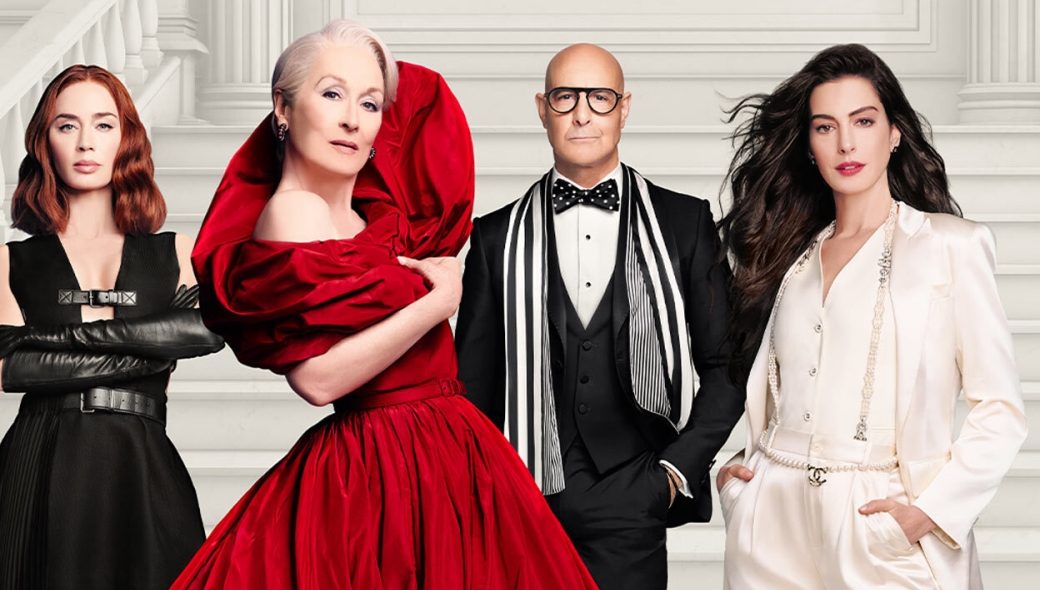
The film about women who wanted more in their careers, unironically pulled Meryl Streep, then 56, out of possible retirement. She was paid double her fee for her turn as Miranda Priestly, editor-in-chief of fashion magazine Runway, known for her icy demeanor and sharp wit. The venerated actor, who was initially assumed to not be funny enough for the role, got to deliver some of the most iconic lines of contemporary cinema as well as the oft-quoted monologue about a “cerulean blue sweater”. It gave Anne Hathaway, who reportedly sought the role of Andy Sachs even though she was already an established star, one of the most popular characters of her career. Stanley Tucci, with his wry humour, and newcomer Emily Blunt, playing the judgmental and sarcastic Emily, too became globally known faces.

While there are several women-led narratives that have received critical acclaim, The Devil Wears Prada stood out not just for its cultural impact but for its global commercial success. With a production budget of about $35 million, it became a massive commercial success by earning around $326.7 million worldwide. Years later, the worldwide box office revenue of Barbie (2023) could cross $1 billion in just three weeks probably because the Streep-led feature had already shown the way.
Beyond its cultural and commercial achievements, the movie, even by Hollywood standards, did what we rarely get to see: It put the spotlight on ambitious and career-driven women. The sequel returns to these women at a different point in their lives. The world around them has changed. Yet, their ambition and drive haven’t diminished. Miranda is still chasing power at the highest level; Andy is still searching for meaningful journalism; and Emily continues to aspire for authority and wealth.
It’s a smart move by the makers, who had earlier spoken about finding the right script for the sequel, that The Devil Wears Prada 2 tries to make a point about the changes and challenges journalism is encountering. Journalism is now dictated by “clicks” and “traction”, with print journalism being especially in danger.
When we meet Miranda this time, she seems to have mellowed and is adapting to the new world order. She has to be careful about saying what’s politically correct and follow HR rules. Though still a stalwart in her profession, she is discovering that with one misstep she might end up being a meme on social media. She, of course, wishes to stay in power and wants to be the global head of the publishing house. For that, she will do whatever it takes. At one point in the film, Miranda tells Andy how much of her children’s life she has missed. This is followed by the unapologetic admission that she has “loved working”.
Anyone, who has been driven by that same fire in their belly, can relate to that sentiment. That’s all.
The writer is associate editor, The Indian Express. alaka.sahani@expressindia.com
