



5 min readMay 12, 2026 12:24 PM IST
First published on: May 12, 2026 at 12:24 PM IST
The UK local elections have delivered a seismic verdict against Labour with reverberations echoing across the country. Amid economic and geopolitical uncertainty, the electorate has signalled a wider disenchantment with Sir Keir Starmer’s government.
The elections may be local in nature, but they amplify the current national mood. Already, a slew of backbenchers have called for Sir Keir’s resignation. If the PM is to survive, he has no choice but to make the difficult decisions his government has avoided so far. On current evidence, that may be a steep mountain to scale.

The local elections have revealed a ruinous picture for Labour. It lost over 1,400 seats across the country. The disaffection cut across its traditional heartlands in the north, in Wales and in Scotland. It failed to make any significant inroads in the South. Younger left-leaning voters deserted it for the Greens while older working-class voters switched to Reform. For the first time in over a century, Labour lost control of Wales. In the Scottish parliamentary elections, Labour also fared miserably.
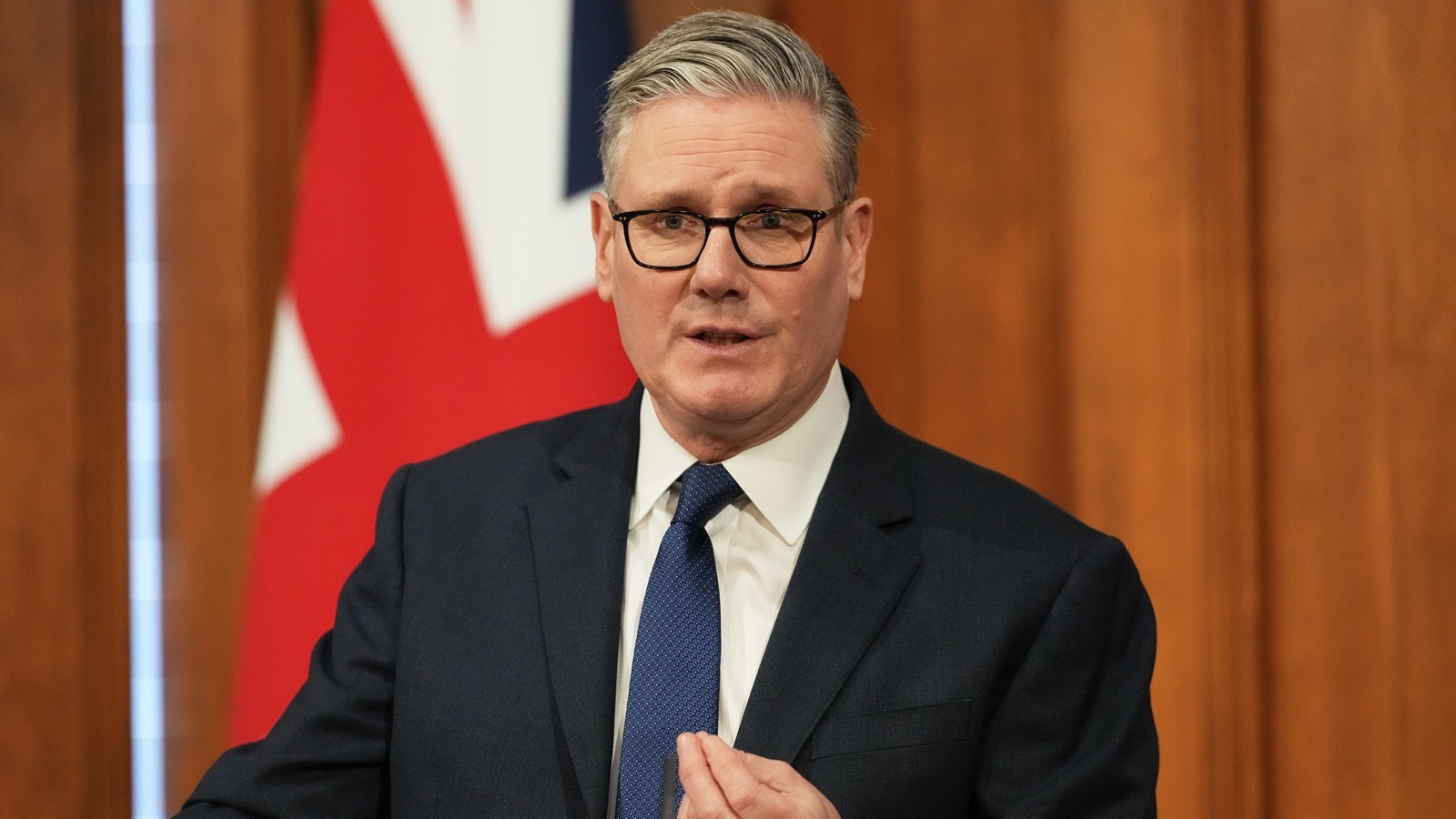
Sir Keir’s speech standing outside Downing Street after a victory in the last general election feels like light-years ago. He had promised a national renewal, a return of politics to public service, and to begin the work of change. The monumental gap between his vapid rhetoric and reality was dramatically exposed last week. Recalling Gordon Brown and Harriet Harman as advisers in the immediate aftermath of defeat has only underlined Starmer’s desperation.
The elections have also marked the dramatic rise of Nigel Farage’s Reform Party as a serious national contender. With over 1,000 seats gained across the country, Reform can legitimately claim electoral momentum. It made material advances in Labour’s “red wall” up north and surprised critics by also gaining in Wales and in Scotland. Clearly, Reform’s diagnosis that “Britain is broken” and in need of radical change has resonated. Opponents may deride its grievance-based strategy, but the numbers are on its side. But now that it has a significant presence, voters will get to see its work in action.
What about the Tories? The party also lost several hundred seats, but its fate was nowhere as severe as Labour’s. A silver lining came in the form of regaining the Westminster council – a symbolic win. Yet the truth remains that Kemi Badenoch remains more popular than the rest of her party. Outflanked by Reform on the right, the Tories need to weigh up a return to centrism to boost their electoral prospects. As for the Liberal Democrats, they made modest gains in their traditional southern pockets but were unable to widen their appeal.
Two key trends are worth flagging. First, these elections cement the emergence of a multi-party era in Britain. The days of a two-party dominant landscape seem well and truly over. The possibility of greater fragmentation and difficulty in obtaining a majority is a real one. Hence, we saw several councils with no party in overall control. Second, Brexit continues to play a guiding hand in British politics. Reform won seats in predominantly ” leave ” areas that voted to “leave” the EU, while in “remain” areas, it did not fare well.
And while Labour may flirt with a change in leadership, the real issue is that it has no strategy for growth. There are those who are urging the party to push harder towards the left. That is an approach squarely based on denial. Chancellor Reeves has piled on costs to employers with rises in their national insurance contributions. Increases to the living wage have disincentivised hiring younger staff members. Meanwhile, the income tax burden has also risen. The government has continued to add to welfare costs rather than tightening its purse strings. This is akin to a patient who refuses the bitter medicine.
Can Starmer buck the trend? To have any chance of survival, Sir Keir needs to incentivise businesses, push for meaningful change, while maintaining a fiscal balance. He may find the electorate easier to convince than his own party. But if he persists with tepid incrementalism rather than taking back control with a radical agenda, he may have to relinquish the keys to Downing Street soon.
Rishabh Bhandari is a London-based lawyer and political commentator

