



4 min readMay 12, 2026 07:48 PM IST
First published on: May 12, 2026 at 07:48 PM IST
I clearly remember the Sundays in my matchbox hostel room, the smell of slick bhaturas wafting through the corridor, when I would doze off for a power nap that was supposed to last only 15 minutes, as instructed by our in-charge. Those days were filled with fear, frustration, exhaustion, and at times, anger. And yet, beneath all of it, there was also a dream: The thought of the day I would finally walk out of the examination hall after writing NEET and know that it was over, once and for all.
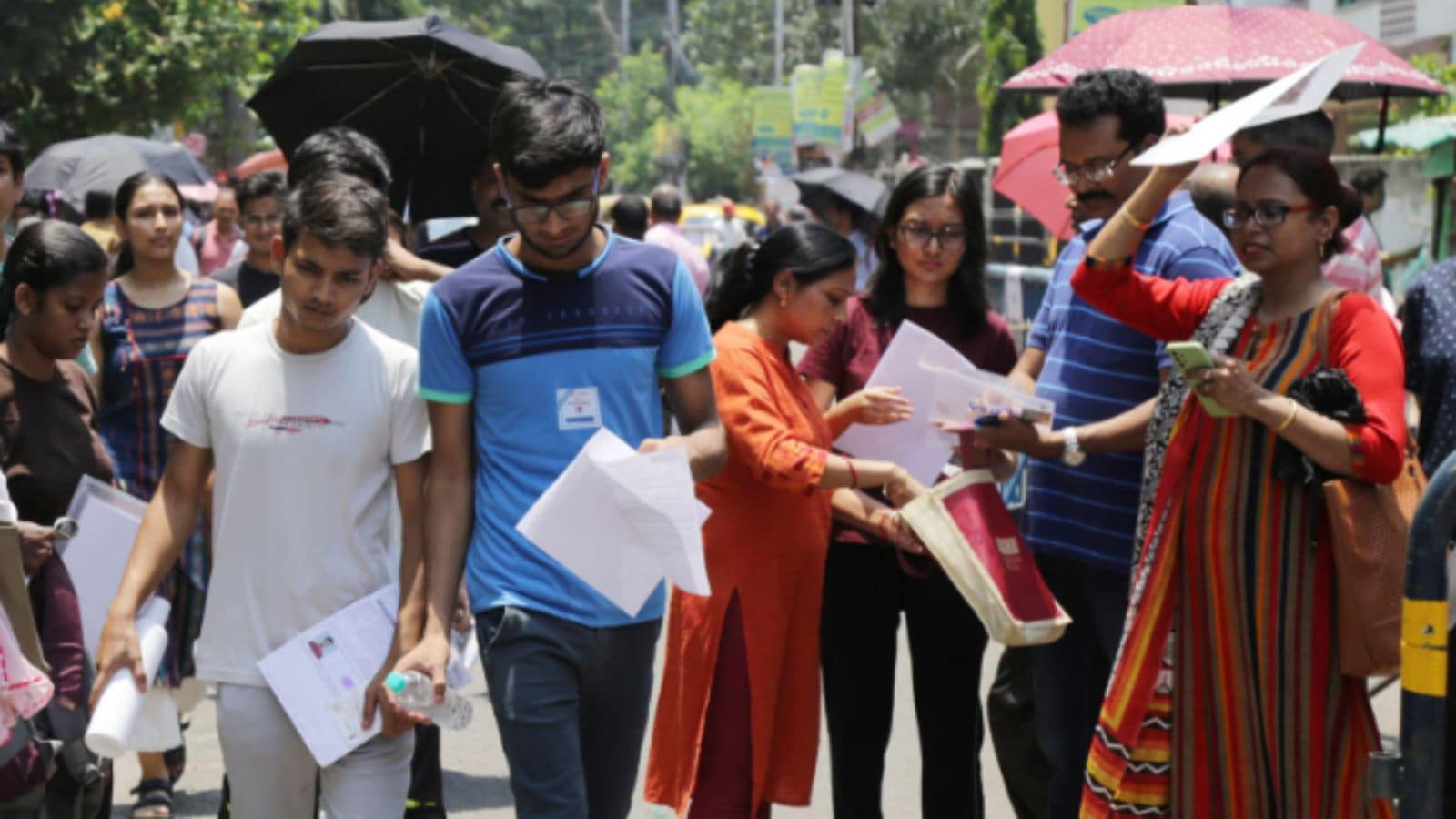
Now, as news of the cancellation of NEET 2026 begins to trickle in, and the possibility of a retest looms on the horizon, my heart goes out to all those young students who believed it was finally over, only to find themselves dragged back into the same cycle of uncertainty and anxiety. What is particularly tragic is that NEET itself was designed to reduce stress on medical aspirants and spare them the burden of multiple entrance examinations. Instead, it seems to have reproduced the very anxieties it was meant to eliminate.

This examination leak is nothing new. The pattern has repeated itself over the years, with the 2024 controversy serving as the most recent reminder of how fragile the system continues to remain. What troubles me most is the cyclical nature of these leaks. Every controversy prompts corrective measures that allow the next exam to proceed smoothly, until inevitably, the cycle repeats itself.
This time, question papers were geotagged while in transit, and examination centres reportedly used 5D jammers and AI-enabled cameras. Yet, all of it proved insufficient. Perhaps that reveals that the issue no longer lies in isolated lapses alone, but in the deeper structural flaws of an examination system that continues to rely on stopgap solutions rather than meaningful reform.
JEE Mains offers an interesting case in point, having built a largely meticulous and leak-resistant reputation over time. It is a completely computer-based examination with end-to-end encryption. Questions are systematically tagged and drawn from extensive software-driven pools that generate multiple sets across several shifts. Students are also given two attempts, in January and April, reducing the immense pressure of a single do-or-die day. Further, rather than relying on thousands of centres across the country, the system uses selected, standardised centres. As a result, even if a breach occurs, its impact remains far more contained.
Further, we must also begin to question the utility of NEET in its present form. The idea of a single three-hour examination determining a student’s future has always seemed absurd to me. How can a person’s competence to become a doctor be judged through 180 MCQs? The current format increasingly rewards rote memorisation over genuine understanding, reducing learning to speed, pattern recognition, and endurance.
Selections should move towards a more balanced and comprehensive system. A weighted consideration of school performance, board examinations, and skill-based evaluation would allow a broader understanding of a student’s abilities. NEET could function as a qualifying examination, followed by assessments focused on reasoning, aptitude, and suitability for the profession. This could also help address the growing problem of score clustering at the top ranks, where tiny margins now separate thousands of students, making the present system an increasingly weak differentiator of merit. It could also reduce the overwhelming reliance on coaching institutes, which have increasingly become hotspots of burnout, emotional distress, and extreme academic pressure. Such skill-based learning and assessment become even more important in a world increasingly shaped by artificial intelligence, where the era of the fast-cramming medical aspirant is unlikely to survive for long.
The real question we must ask ourselves is whether we are finally willing to move beyond temporary outrage, take responsibility for repeated failures, and genuinely learn from them. More importantly, are we willing to offer students a system that values their hard work and aspirations, rather than repeatedly testing the limits of their endurance?
Gupta is a doctor and writer

