



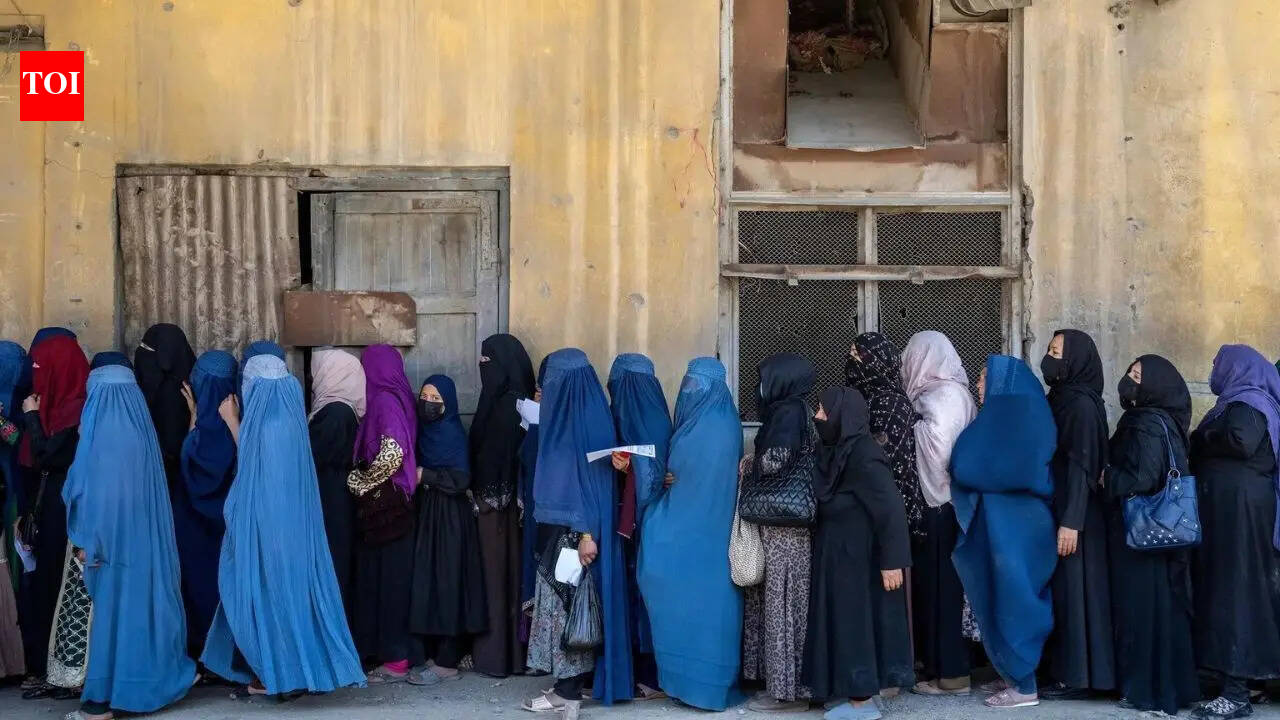
Taliban regime in Afghanistan has introduced a controversial new family law regulation governing marriages, divorce and child marriage, drawing widespread criticism from international observers.The 31-article regulation, titled “Principles of Separation Between Spouses,” was approved by Taliban supreme leader Hibatullah Akhundzada and published in the regime’s official gazette in mid-May, according to Afghan outlet Amu TV.The document outlines rules covering child marriage, missing husbands, forced separation, apostasy, accusations of adultery and other religious and legal matters.One of the most controversial provisions states that the silence of a “virgin girl” after reaching puberty may be interpreted as consent to marriage. The regulation says silence by a boy or a previously married woman, however, would not automatically count as consent.The decree also addresses “khiyar al-bulugh” or the “option upon puberty”, a concept in Islamic jurisprudence under which a child married at a young age may seek annulment after reaching puberty.According to Article 5 of the regulation, if relatives other than a child’s father or grandfather arrange the marriage of a minor, the marriage can still be considered legally valid if the spouse is deemed socially compatible and the dowry appropriate. The child may later seek annulment, but only through a Taliban court order.Another provision says marriages involving a “non-compatible” spouse or an unfair dowry would not be considered valid.The regulation gives fathers and grandfathers broad authority over child marriages, although it says such marriages could be invalidated if guardians are found to be abusive, mentally unfit or morally corrupt.The document further authorises Taliban judges to intervene in disputes involving accusations of adultery, religious conversion, prolonged absence of husbands and “zihar”, a classical Islamic concept in which a husband compares his wife to a female relative whom marriage would be forbidden. Under those provisions, judges may order separation, imprisonment or punishment in certain cases.The latest decree comes amid growing international criticism of the Taliban’s restrictions on women and girls since returning to power in August 2021.Girls in Afghanistan have been barred from education beyond sixth grade, women have been banned from universities, and severe restrictions have been imposed on employment, travel and public participation.Several international organisations have described the Taliban’s policies as a system of “gender apartheid”. According to Girls Not Brides, nearly one-third of Afghan girls are married before the age of 18.“Child marriage is not marriage in any meaningful sense. A child cannot properly consent, and treating silence as consent is dangerous because it removes a girl’s voice completely,” Political commentator Fahima Mahomed told New York Post, criticising the Taliban’s new rules.“As a Muslim, I would also strongly reject the idea that this reflects Islam as a whole. The Qur’an itself speaks against compulsion and mistreatment of women, so the Taliban’s position should not be presented as ‘Islamic law’ in a broad sense,” she added.
