



6 min readFeb 22, 2026 07:21 AM IST
First published on: Feb 22, 2026 at 06:23 AM IST
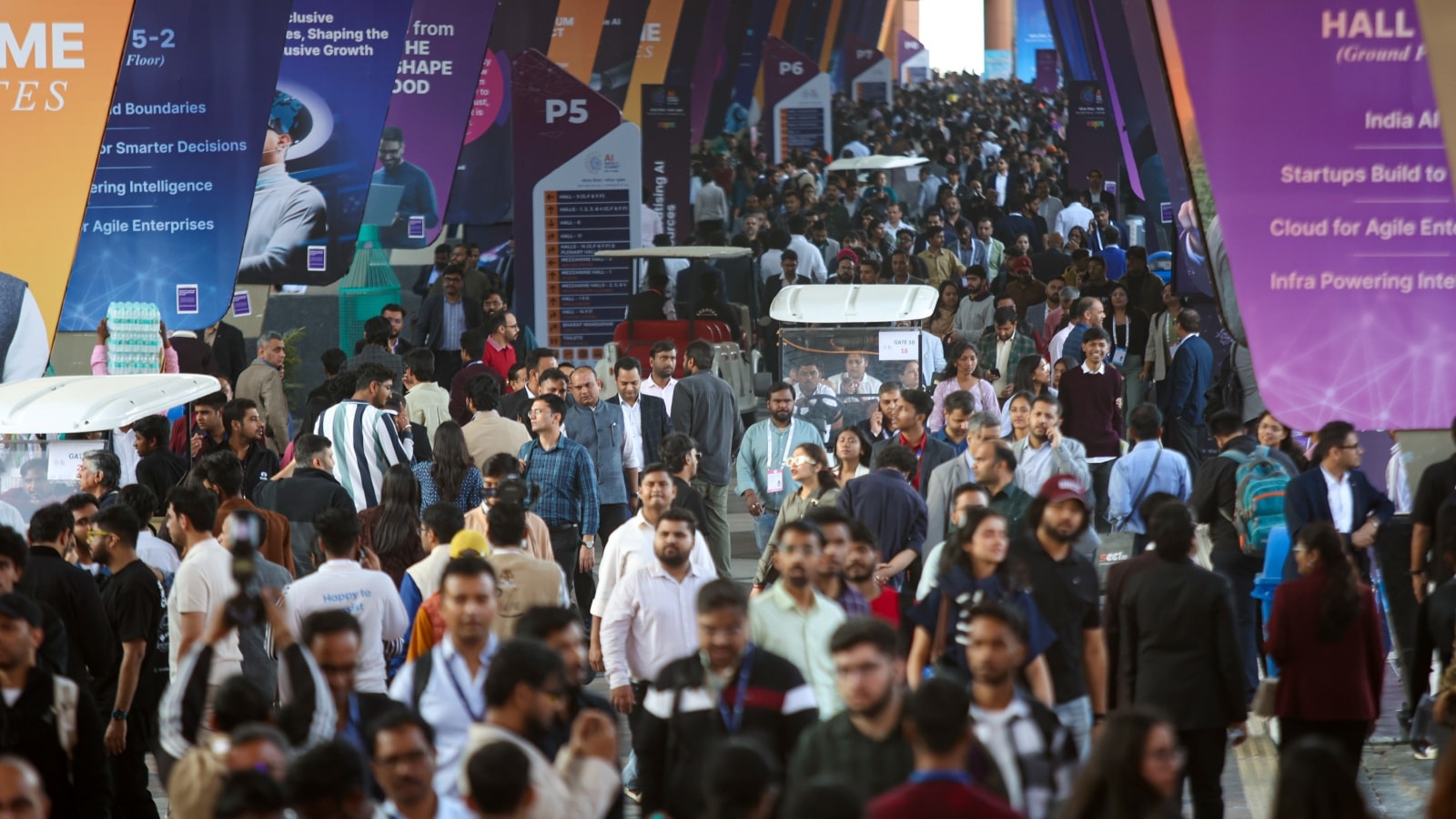
It happens that I watched the AI Impact Summit from a small seaside village in Maharashtra. This gave me a chance to view things from a different perspective. And time to experiment with the only AI I use. I asked ChatGPT to write a column on the summit in my writing style. It took less than a minute to write a piece that I could well have written. Here is a sample sentence. “The danger is not that we are talking about AI. The danger is that we may begin to believe our own rhetoric.” Not bad at all.
It shames me not one bit to admit that ChatGPT preempted the piece that you are about to read. There is no question that Narendra Modi pulled off a spectacular success with his AI summit, but we need to be wary about getting too carried away by this. We in India have kind of missed the AI bus while our old enemy China has not only ridden on it but is, along with the United States, driving it. While we in our beloved motherland were busy unleashing a wave of Hindutva vigilantism, the Chinese were busy inventing their own version of AI at a much lower cost than the Americans. So, before we start pretending that we can become the voice of the Global South, we should pay attention to how China has already become that voice.

At the summit in Delhi there was much talk of how India can adjust new technologies to our own needs and offer them to the world at a much lower price. But the question we need to ask is, what has prevented us from already developing Indian versions of AI? Was it a lack of funds that stopped us from competing in this new world? Was it something else? It is to Modi’s credit that he realised some time ago that India could not ignore this magnificent and dangerous new technology. In doing this he did better than prime ministers of yore who ignored such transformative technologies as computers, satellite TV and cellphones until they sneaked up on us and changed everything. The Congress Party should have kept this in mind before unleashing its protestors into the AI summit to cause disruption and embarrassment.
But ChatGPT spoke for me when it warned that we should not ‘start believing our own rhetoric.’ With all the promises of investment made at the summit we still have a very long way to travel on a road that has obstacles and mysteries around every corner. The experts tell us that AI can make an extraordinary difference in the fields of education and healthcare. This is certainly true but in vast tracts of India the basics do not exist for this to happen. AI uses more electricity than other technologies so how will things work out in rural India where electricity is unreliable at best and unavailable at worst?
The experts tell us that schoolchildren will be able to use AI for tuitions when teachers are absent. In the village where I am writing this piece there is a government school in which no computer has ever found its way. The schoolhouse is a tumbledown old cottage whose roof leaks when the rains come. There are two teachers who are responsible for teaching every subject from science and mathematics to literature and social studies. The village has a private school that is better. But the level of teaching is so low that children leave school barely able to read and count. In the thirty years that I have come to this village I have seen no improvement in the schools.
If somebody gets sick in the village they must go to the nearest small town to find a doctor. Serious health problems require going to Mumbai which is more than a hundred kilometers away. Water in the village is hard to find and electricity is whimsical. If conditions are like this in rural Maharashtra just think what things are like in rural parts of Bihar or Uttar Pradesh. I have visited schools in these states in which children sit on bare, mud floors and come to school only for the midday meal. At the risk of repeating what I have said often in this column: Modi’s biggest failure has been that he has not ordered his chief ministers to concentrate on rectifying those fundamental flaws in the model of governance that they inherited from decades of Congress rule.
If AI can do what humans have failed to, then we need to embrace it with open arms and ensure that it spreads rapidly across rural India where it is needed more than in the cities. But before that happens, we need to build the infrastructure it requires to be able to make a difference. So, it is terrific that the Prime Minister managed to organise such a successful AI Impact summit and in doing so make clear that India is open for business. Now what he needs to do is whip his chief ministers into doing what they should have been doing for the past decade. Sad to say they have mostly wasted their time on things of no consequence and on enjoying the fruits of power.
To quote again from that sentence written by my new best friend ChatGPT, we are already in danger of ‘believing our own rhetoric.’
