



4 min readFeb 20, 2026 07:39 AM IST
First published on: Feb 20, 2026 at 07:03 AM IST
The results of Bangladesh’s election are an emphatic signal of the people’s desire to see the end of the unpopular interim government, one that was largely influenced by the Jamaat-e-Islami (JeI). The JeI is a pro-Pakistan Islamist organisation, infamous for its historical role in opposing the creation of Bangladesh and collaborating with the Pakistan Army during the 1971 War of Liberation.
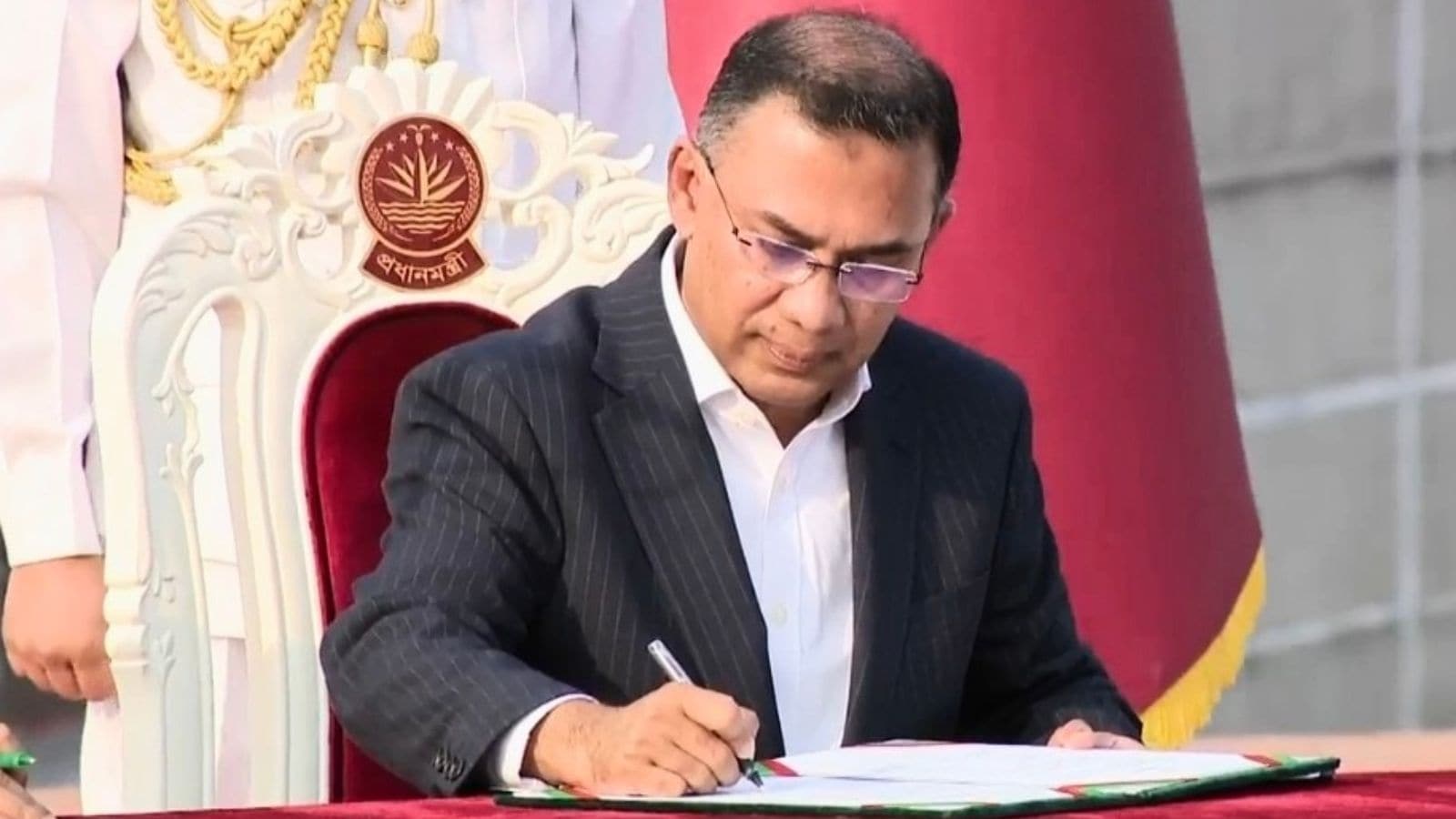
With the swearing-in of Tarique Rahman as the new Prime Minister of Bangladesh and a handpicked cabinet, the Bangladesh National Party (BNP) has brought about change in Dhaka. It will be Rahman’s first time in public office. Most cabinet members and advisers are known faces. The foreign minister is an unexpected choice. He is not a Member of Parliament or from the BNP. Speculation is rife about his inclusion and many see him as a nominee of Muhammad Yunus, in whose government he was the national security adviser. Both the JeI and the National Citizen Party (NCP) have criticised this choice.

Both the US and Pakistan were keen to oust Sheikh Hasina because of their respective national interests. After her departure, the JeI and other Islamists went on a campaign to unleash violent attacks on Awami League supporters, including former ministers, journalists, civil society activists and anyone seen to be secular and anti-Islamist. Yunus, a Nobel Peace Prize laureate, and widely seen as a US-backed figure, has left behind a contested legacy by joining hands with the JeI and some student leaders before the election, turning a blind eye as the JeI and its allies went on a rampage.
Bangladesh has a golden opportunity to embark on a new political journey, after the traumatic experience of the last 18 months under the ad-hoc interim government Its tenure was marked by mob violence, brutal persecution of opponents, countrywide destruction of landmark monuments of the Liberation War, including the museum and house of Sheikh Mujibur Rahman, large-scale release of imprisoned criminals and extremists, economic decline and attacks on Hindus and other minorities. The country’s debt burden also swelled rapidly under the Yunus regime.
India and the BNP appear to have cast aside past bitterness. This new understanding led to the outreach by New Delhi to the BNP. Prime Minister Narendra Modi sent External Affairs Minister S Jaishankar as his emissary to condole the passing away of Rahman’s mother, former Bangladesh prime minister Khaleda Zia, before the election. The congratulatory message by PM Modi, inviting PM Rahman to visit India, the participation by the Lok Sabha Speaker in the swearing-in ceremony and the courtesy meeting between the JeI leader and India’s Foreign Secretary, Vikram Misri, further reinforced India’s message to engage positively with Dhaka.
New Delhi hopes to recalibrate its ties with Dhaka and bring the relationship back on track. This recalibration can only be incremental, as the BNP government will have to navigate various forces that are pursuing their diverse agendas. What strengthens the BNP’s hand is the two-thirds majority in Parliament. The JeI alliance will have to reconcile themselves to their defeat and function as a responsible democratic Opposition. The National Citizen Party failed to get any traction after choosing to ally with the JeI. They have also been rejected by voters, who have opted for a mainstream party, rejecting Islamism and leaders lacking in governance experience.
India’s Neighbourhood First emphasis in its foreign policy marks Bangladesh as an important pillar, with the longest common border and a shared civilisational heritage. India’s geography with Bangladesh creates its own strategic compulsions of security and connectivity in the former’s eastern region, and beyond into Southeast Asia. Another neighbour, Myanmar, too, is in transition. Both Bangladesh and Myanmar are vital to India’s security and connectivity interests, particularly New Delhi’s Act East Policy. Statements by PM Rahman and senior BNP leaders signal that improvement in bilateral ties will not be held hostage to the issue of Sheikh Hasina’s extradition. These signs are encouraging.
The writer served as secretary in the Ministry of External Affairs and as deputy high commissioner and High Commissioner to Bangladesh
