



4 min readFeb 23, 2026 08:00 AM IST
First published on: Feb 23, 2026 at 08:00 AM IST
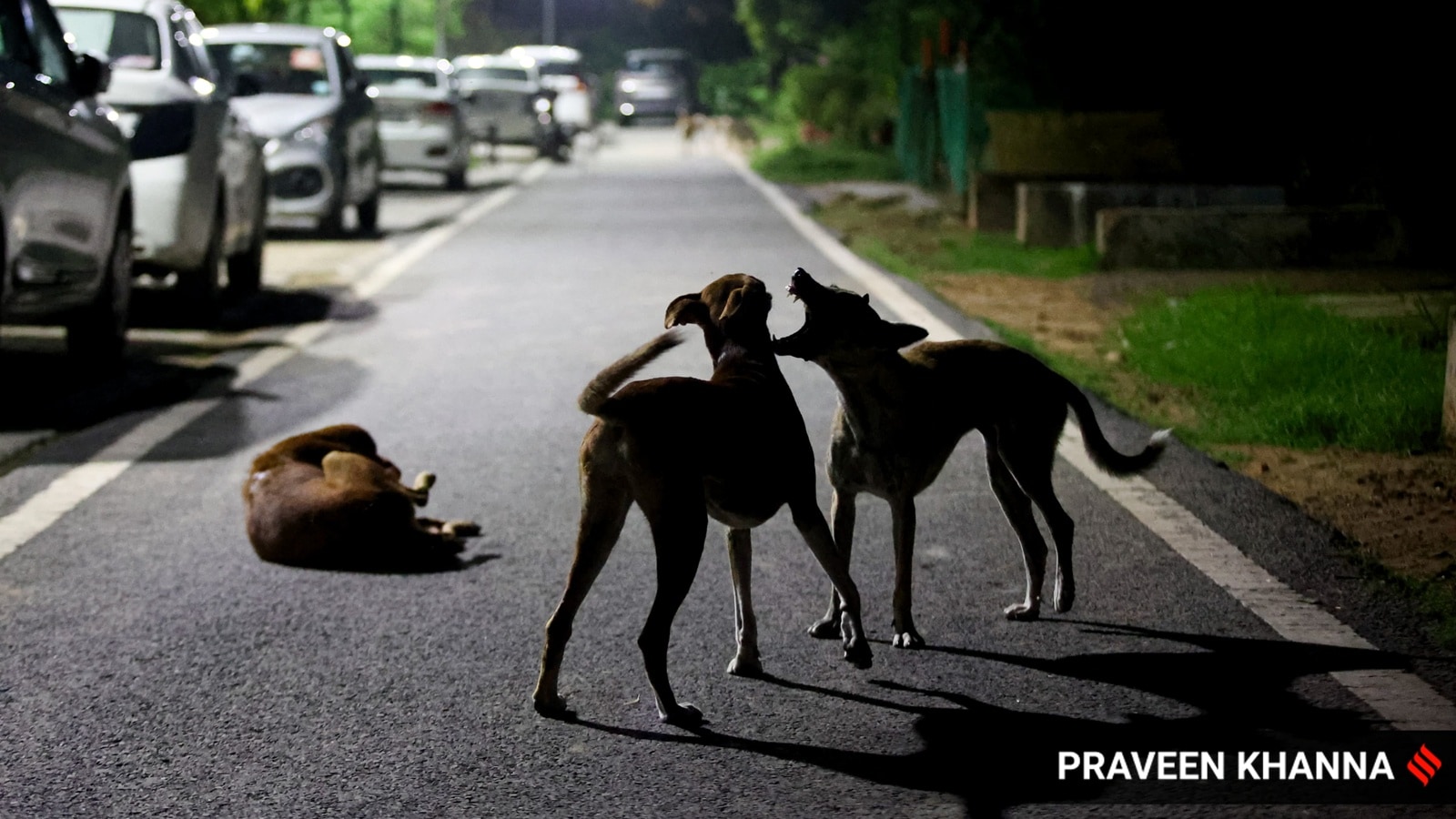
In the past few weeks, a series of shocking incidents underlined a grim reality: People who care for street dogs are increasingly facing vilification and violence. In Raipur, a man feeding street dogs was beaten to death. In Gwalior, a woman — herself an advocate — struggled to get the police to register a case after a brutal assault. In Kolkata, senior citizen Gautam Pramanik was admitted to intensive care after being beaten for feeding dogs. Meanwhile, careless public commentary has intensified national debate and encouraged anti-feeder vigilantism, with tragic consequences. The victims were not breaking any law. They were simply feeding, sterilising, and vaccinating vulnerable animals. This violence is unfolding amid a charged national debate on managing India’s millions of street dogs — one that has devolved into legal theatre and regulatory confusion instead of science-based policy.
Judicial flip-flops have brought confusion instead of clarity. In August 2025, the Supreme Court directed municipal authorities in Delhi-NCR to remove all street dogs and house them in shelters indefinitely. Critics pointed out that this contradicted India’s Animal Birth Control (ABC) Rules, 2023, which mandate humane population management through sterilisation, vaccination, and release back into communities. Promulgated under the Prevention of Cruelty to Animals Act, 1960, the ABC Rules provide a legally sanctioned framework to reduce the dog population without cruelty. Authorities are required to capture free-roaming dogs humanely, sterilise them, vaccinate them against rabies, and release them back to their original locations. However, the earlier order attempted to override these rules. It was reversed, then partially restored, and now, during the January 2026 hearings, a three-judge bench went further into policy terrain, suggesting that feeding should occur within private premises and that states could be liable for compensation if attacks resulted from lax management.

Such observations have been widely criticised as impractical. Removing dogs from public spaces does not eliminate them; it displaces them temporarily. Experiences in cities like Chennai demonstrate that dogs continue to roam even where such directives are attempted. India has long experimented with harsh measures without sustained reduction in dog numbers. Ecological reality explains why: Reducing a free-roaming population creates a vacuum quickly filled by migrating animals or higher birth rates among those remaining. This “vacuum effect” is well-documented globally. Elimination efforts often leave populations unchanged in the long term, or even harder to manage.
India already has a lawful system intended to prevent such outcomes: Sterilisation and vaccination. Cities that have implemented effective ABC programmes — such as Lucknow and Dehradun — have seen measurable declines in dog populations over time. The real solution is humane, evidence-based management. Initiate large-scale, funded sterilisation: When around 70 per cent of dogs are sterilised, reproduction slows, populations stabilise, and bite incidents decrease. Incentivise adoption of Indian-breed dogs, as it reduces free-roaming populations while discouraging commercial breeding. Shrinking the market for purebreds can shift focus toward adoption and welfare. Provide legal support for caregivers who often fill gaps left by under-resourced civic systems. Their role should be legalised, not criminalised. Lastly, dog bites are better prevented through informed human-animal interaction and environmental control than by removal.
Street dogs are a resilient landrace embedded in South Asia’s urban ecology. Attempts to eliminate them through force are as futile as they are cruel. Policy must be guided by evidence — not panic or rhetoric that fuels violence against those trying to make cities safer. Humane population control that reduces numbers, prevents rabies, and respects life is achievable. But it requires clarity, commitment, funding, and wisdom — not discourse that treats compassion like a crime.
The writer is trustee, People for Animals, India’s largest animal welfare organisation
