



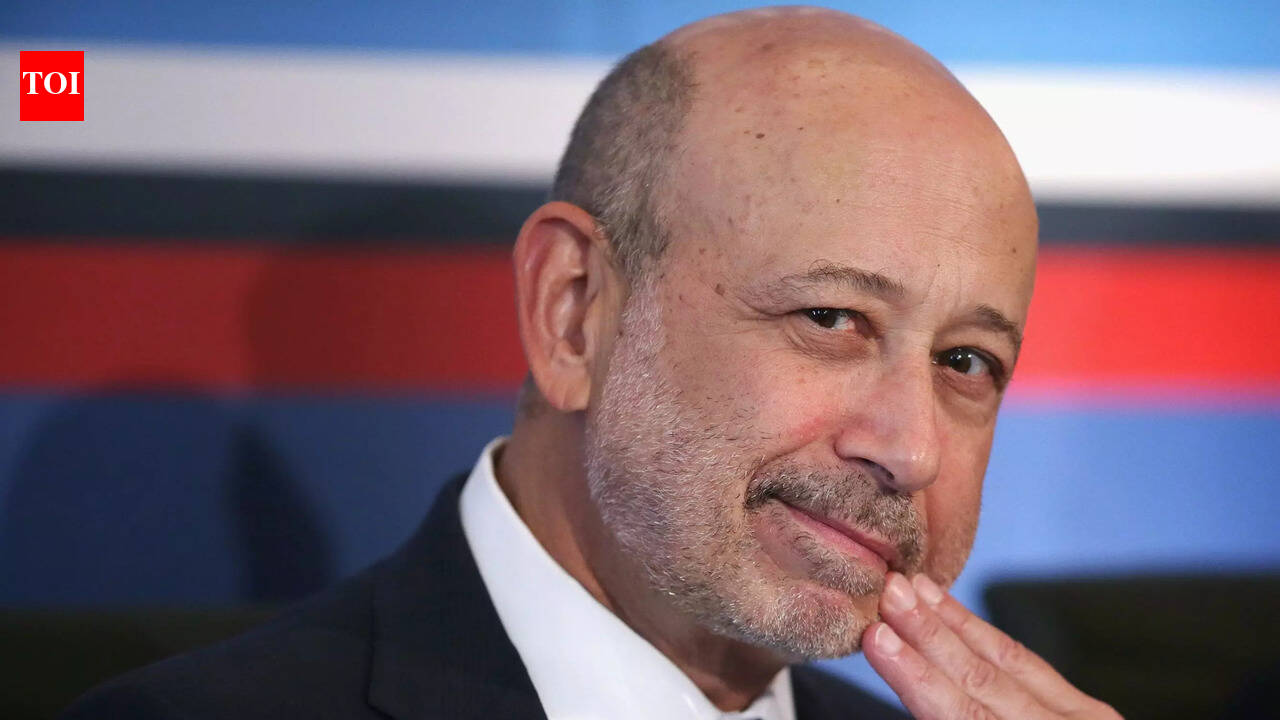

As conversations intensify around whether a college degree still guarantees success, Lloyd Blankfein, former CEO of Goldman Sachs, is offering students a steady, experience-backed perspective: don’t view college merely as a credential. View it as a formative training ground for who you become.In an excerpt from his upcoming memoir Streetwise, shared with Vanity Fair and reported by Fortune, Blankfein directly counters critics who argue that higher education is outdated. “To succeed in a career, you have to know the technical minutiae of your field, of course. But you also need to be a complete person—the kind of person other people want to engage with,” he wrote.For students weighing costs, alternatives, and career uncertainty, his reflections offer practical guidance.
College is not just job training
Blankfein writes that to succeed in any career, you need command over the details of your field. But that alone will not carry you far. Workplaces reward people who can explain ideas clearly, write well, understand context, and build relationships.College, he suggests, is one of the few structured environments where those abilities are developed deliberately. Writing papers forces clarity. Classroom debate teaches you to defend a position without dismissing others. Exposure to history, politics, and philosophy builds context for real-world decisions.Students often focus on employability. Blankfein’s argument expands the lens: higher education shapes judgment.
Growth is often uncomfortable
A graduate of Harvard University and Harvard Law School, Blankfein admits he did not always enjoy his undergraduate years. He says he “survived” them more than he loved them. That admission matters.College can be demanding. You may encounter subjects that do not come easily. You may be challenged by professors who expect more than you think you can give. You may sit in discussions that question long-held assumptions.That discomfort is not a flaw in the system. It is part of the process.Blankfein credits his time at university with strengthening his writing, building his confidence, and deepening his engagement with current events. Those habits stayed with him long after graduation.For students who feel stretched or uncertain, his experience offers reassurance: difficulty does not mean you are on the wrong path.
The case for breadth
Blankfein also makes a case for the liberal arts tradition. Studying beyond your immediate professional interests — whether history, literature, economics, or political theory — builds perspective. It teaches you to connect ideas across disciplines.In leadership roles, decisions rarely sit inside neat technical boundaries. They involve people, incentives, culture, and long-term consequences. A broader education helps you see the full picture.Students sometimes worry that time spent outside their major is wasted. Blankfein’s career suggests the opposite. Breadth can sharpen, not dilute, professional effectiveness.
What students can take from this
Blankfein does not claim that every institution is perfect or that college is the only route to success. His argument is narrower and more practical: higher education, when taken seriously, develops capabilities that extend beyond a first job offer.For students, that means approaching college with intention.Use assignments to improve your thinking, not just your GPA. Take courses that stretch you. Seek conversations that challenge your assumptions. Pay attention to how your communication skills evolve.A degree alone does not guarantee success. But the habits built during those years — discipline, clarity, curiosity, resilience — can shape the rest of your career.Blankfein’s message is not nostalgic. It is pragmatic. College, he suggests, is not simply about entering the workforce. It is about preparing yourself to navigate it well.
