



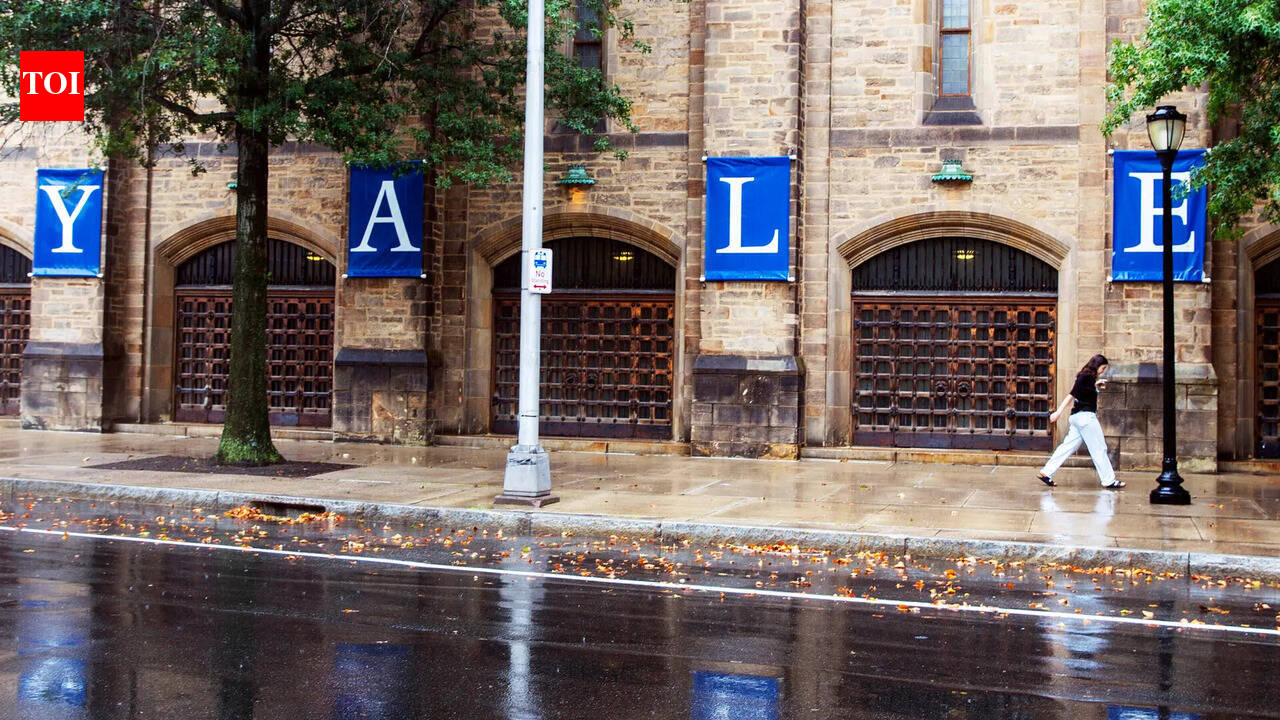

Yale University and 30 other U.S. universities have ended their partnerships with a nonprofit organization that supports underrepresented students pursuing doctoral degrees, the U.S. Department of Education announced on Thursday. The organization, called the PhD Project, provides mentoring, networking, and conferences to encourage diverse candidates to pursue careers in business academia and management. These details were first reported by Yale Daily News.
What the PhD project does
According to Yale Daily News, the PhD Project, founded in 1994, aims to increase representation of Black, Hispanic, and other minority groups in business school faculty and leadership positions. Its programs include faculty mentorship, student-faculty networking sessions, and academic conferences designed to guide students toward careers in academia or business leadership.A 2020 Yale School of Management webpage—since removed—highlighted the school’s efforts to engage with the PhD Project and its commitment to increasing diversity. The page stated that the “underrepresentation of Black people and other minorities in the pinnacles of leadership is a disgrace” and promised further initiatives to welcome students from diverse backgrounds. The webpage also mentioned a 2020 event organized with the PhD Project that included four faculty members and a current student sharing insights about the doctoral journey.
Federal investigation and universities’ response
Yale Daily News reported that the Education Department’s Office for Civil Rights opened an investigation in March 2025 into 45 universities, including Yale. The office alleged that partnerships with the PhD Project “limit eligibility based on the race of participants” and may violate federal anti-discrimination laws.Following the investigation, Yale, MIT, and 29 other institutions signed “resolution agreements” to end their involvement with the PhD Project. MIT, for example, confirmed that the university had paid a small fee to participate in PhD Project conferences and career fairs. The Education Department indicated that this fee triggered the inquiry, which MIT resolved without admitting wrongdoing. Yale has not disclosed specific details about its partnership or the resolution reached with the government.While Yale and MIT have concluded their agreements, 14 other universities remain in discussions with the Education Department. These institutions have not yet agreed to sever ties with the PhD Project. Both former President Donald Trump and Education Secretary Linda McMahon have sought to reduce the influence of the Office for Civil Rights and limit oversight of diversity programs at U.S. universities.
Government statement
In the press release, Secretary of Education Linda McMahon said: “We are hopeful that other institutions with similarly discriminatory practices will follow suit, paving the way for a future where we reject judging individuals by the color of their skin and once again embrace the principles of merit, excellence, and opportunity.” The department emphasized that it continues to negotiate with the remaining universities to resolve any potential violations of federal anti-discrimination laws.
Looking ahead
Despite the federal investigation and universities ending partnerships, Yale Daily News notes that the PhD Project remains fully operational. The organization’s application process has been open to all U.S. citizens and permanent residents since early 2025. Audrey Wayne, a spokesperson for the PhD Project, stated that the nonprofit “remains focused on expanding the pool of workplace talent by developing business school faculty who inspire, mentor, and support tomorrow’s leaders.”The PhD Project’s mission is to create a broader pipeline of qualified business leaders committed to mentorship and excellence. It continues to host conferences, provide networking opportunities, and guide students interested in doctoral studies. While some universities have ended formal partnerships, the organization maintains its programs and community engagement.The Yale School of Management, founded in 1976, has emphasized diversity and inclusion as part of its educational philosophy. The recent developments mark a significant shift in how universities interact with diversity-focused programs, reflecting ongoing debates in the U.S. about the balance between civil rights law, federal oversight, and diversity initiatives in higher education.
