



4 min readFeb 16, 2026 04:38 PM IST
First published on: Feb 16, 2026 at 04:38 PM IST
India stands at an extraordinary moment of ambition and conflict. It is a country gaming itself onto the ladder of innovation, artificial intelligence, digital public infrastructure and global leadership. Yet, in the shadows of this progress lies a quieter, more uncomfortable reality of citizens losing their lives in predictable, preventable ways. The contradiction is stark. We are immaturely celebrating the future over the tragedy of the present.
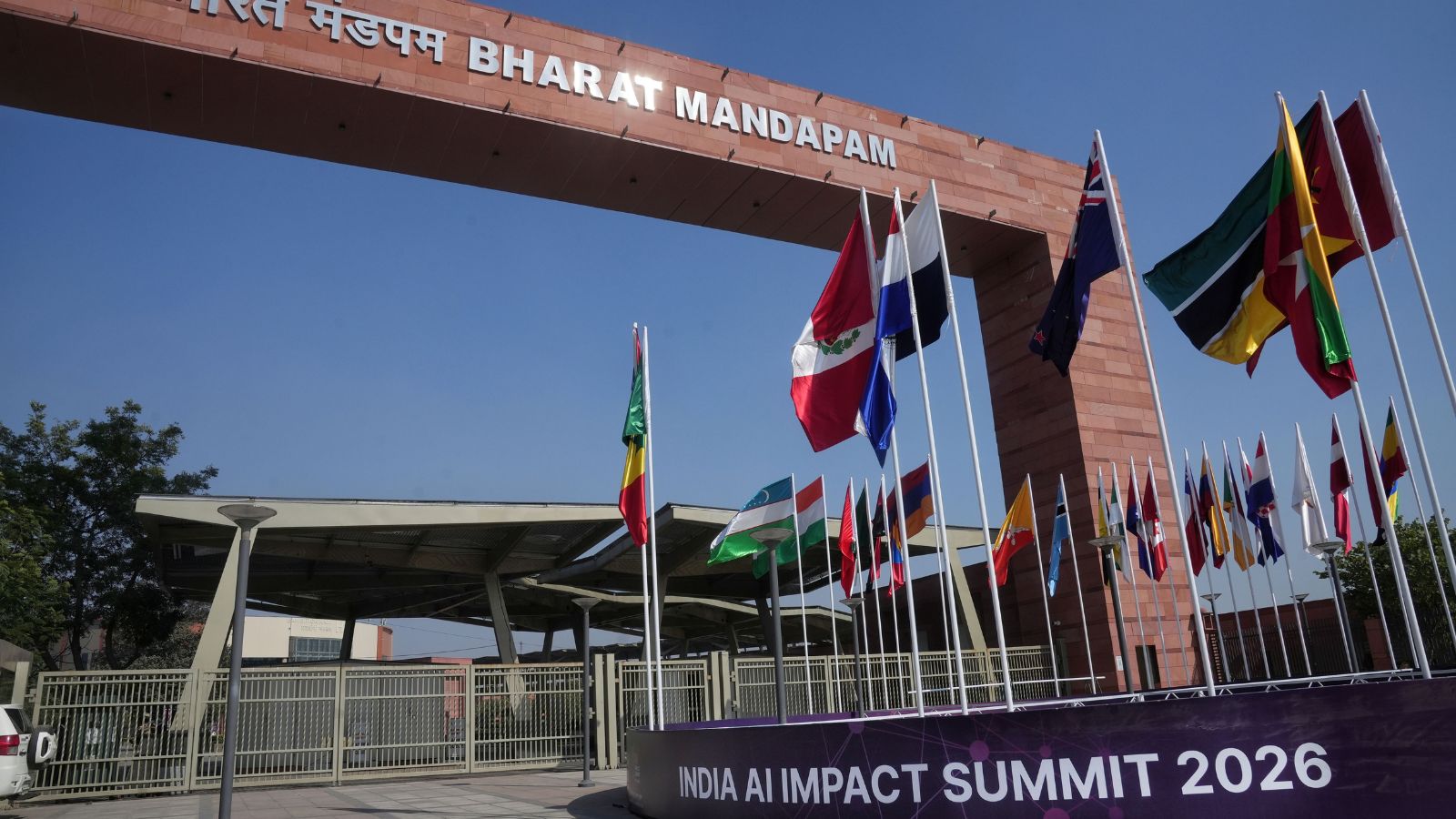
As Delhi prepares to host the AI Impact Summit 2026, where a galaxy of global leaders, innovators and policy thinkers will converge to discuss the future of intelligence, India must pause and ask which intelligence can be claimed by a governance system that ignores the Fundamental Right enshrined in Article 21 of the Constitution — the Right to Life. The urgency is sharper today because ambition and expectations of accountability among the new generation, Gen Z, are rising rapidly, unwilling to accept lame explanations that earlier generations accepted.

The headlines in everyday newspapers are not random tragedies; they are systemic symptoms. Roads that collapse life into fatalities. Amusement rides that fail basic safety checks. Rallies and religious gatherings where crowd management is secondary to optics. Water supply that betrays public trust. Air that suffocates lungs. Each tragedy appears different, yet all emerge from the absence of governance accountability.
India records over 1.7 lakh road fatalities every year, one of the highest accident rates in the world. Air pollution chokes millions and causes chronic illnesses. Stampedes at public gatherings continue to recur despite repeated lessons.
Our safety, the most overlooked factor, must be addressed before another unmarked pit in Janakpuri gulps a 25-year-old biker, a trench in Noida devours a driver, a drain in Rohini drowns a labourer, an unsafe ride in Faridabad turns into a nightmare, another stampede in Karur, at the Kumbh, in Mumbai or in Salem chokes promises, or sewage in Indore fatally claims more lives.
The public needs answers to questions that governance often avoids answering. Why are dangerous excavation sites left unmarked? Why do stampedes repeat despite elaborate guidelines and manuals? Why are accountability chains so diluted that no one seems responsible once the headlines fade? Why does implementation lag even when technology exists to predict and prevent?
Urban India is expanding rapidly, but preparedness is not keeping pace. Climate stress, extreme weather and rising population density make existing vulnerabilities more dangerous.
We have much to show the world, apart from our great heritage. India’s global rise will be judged not merely by growth numbers or technological advancement but by how governance safeguards dignity, safety, transparency and trust.
This introspection is especially important when India is hosting the AI Impact Summit 2026. While the world discusses predictive intelligence and responsible technology, the streets outside conference halls must not tell a different story. Artificial intelligence promises smarter governance, but intelligence sans accountability is as much a danger to the world as AI without safeguards.
We do not need another blame game, blame-shifting exercise, enquiry or scapegoat. The irony is that India possesses the technological capability to change this story. Data analytics, AI-driven crowd management, predictive monitoring and real-time pollution mitigation are no longer futuristic tools — they are available now. What is missing is political and administrative urgency to uphold governance accountability.
A truly Viksit Bharat would be reflected in a much higher ranking on the Human Development Index. Respect for lives needs to come first.
If India wishes to demonstrate its leadership role in “ease of living” when the world arrives in Delhi, it must be intelligent enough to recognise the threat of governance blind spots to the lives of citizens, and take corrective steps towards good governance with the help of AI.
The writer is an AICC member and a political strategist
