



5 min readFeb 24, 2026 04:30 PM IST
First published on: Feb 24, 2026 at 04:30 PM IST
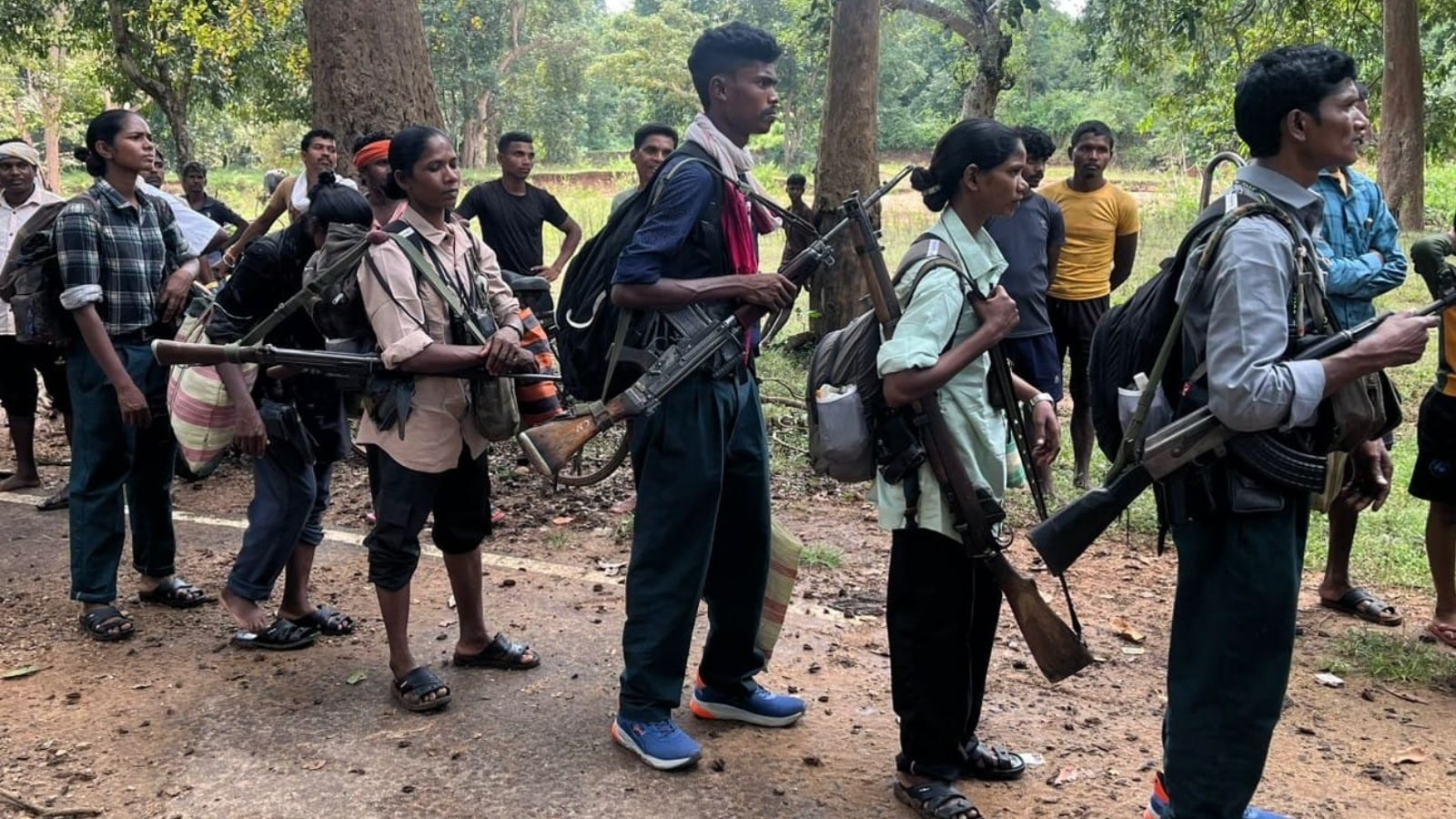
High-ranking Maoist leader Thippiri Tirupathi, alias Devuji, has surrendered along with twenty other Maoist cadres. The surrender of Devuji, who carried a bounty of Rs 1 crore on his head, is a major achievement in controlling the insurgency, for which the government has set a deadline of March 31. Devuji was considered a master strategist of the movement in central India and was credited with the creation of the People’s Liberation Guerrilla Army (PLGA). He went on to become a key Central Committee member of the CPI (Maoist) and a politburo member of the Maoist party.
The security forces have achieved major successes in the last few months in their fight against Maoism by ensuring the surrender and neutralisation of almost the entire leadership and cadres. The Maoist outfit is now left with only one active Central Committee member, Misir Besra. Even though the insurgency started with Naxalbari in Bengal way back in 1967, in the present phase, it is generally confined to the resource-rich, but underdeveloped parts of central India, and the local tribal population forms its rank and file.

The tribal people harbour a deep sense of alienation at being deprived of their right to the resources of the land inhabited by them. This is further accentuated by what they perceive as deprivation of the benefits of development, even as the resources that belong to them are being exploited. While the security forces have created a relatively secure environment in the area, the long-term solution to the problem does not lie in a security-centric approach. The government must consolidate these gains and initiate measures to address the alienation. A start would be to initiate actions to reduce socio-economic disparities, high levels of poverty, land inequality, and exclusion from development. The absence of corrective measures will enable the Maoist leadership to spread its ideology again.
First and foremost is the need to ensure that the lower functionaries in the bureaucracy do not exploit the locals. They must be sensitised to the tribal way of life and display a sense of empathy towards them. For example, a forest guard harassing a tribal person for carrying a few sticks of wood for use at home, or a police constable or administrative authority taking bribes for genuine requests, must not be allowed to happen. This is possible only when higher functionaries of these departments make regular visits to remote areas and listen first-hand to the grievances of the people and address them.
The tribal people have hardly any means of livelihood as they lack the skills to take up technical jobs. The only jobs available to them are the menial ones in the industries being set up in that area, while the higher-level jobs with better salaries go to people from outside the region. The need, therefore, is to make them skilled to become employable. Education for the children will expose them to knowledge and enable them to become thinking individuals and, therefore, less prone to exploitation by the Maoist ideologues. The government may consider incentivising competent bureaucrats and teachers to work in these areas, similar to the system prevalent in the Northeast.
The infrastructure that has come up in these areas, like the roads, rails, etc., is mostly to facilitate operations by the security forces or to facilitate the movement of minerals to industries. Any benefit accruing to the tribals is only incidental. There is a need to develop infrastructure in the interiors, that is, roads and tracks connecting remote villages.
The government and security forces must not let their guard down. The focus must remain on strengthening the infrastructure and training of the security forces. The domination of affected areas must continue with full force and be expanded to the unmapped areas. The intelligence set-up, both human and technical, must continue to remain alert and provide actionable information to the security forces.
Finally, political activities must start in these areas. Politicians who have been refraining from going into these areas must activate their cadres and make frequent visits to listen to the grievances of the people and address them in a time-bound manner. While the security forces must be lauded for their role in bringing within sight the target set by the government of eliminating violence in Maoist-affected areas, a lot needs to be done before complete peace is achieved. A security-centric approach must be augmented by a developmental approach to win over the hearts and minds of the tribal people.
The writer is a retired additional director general (ADG) of the Border Security Force

