



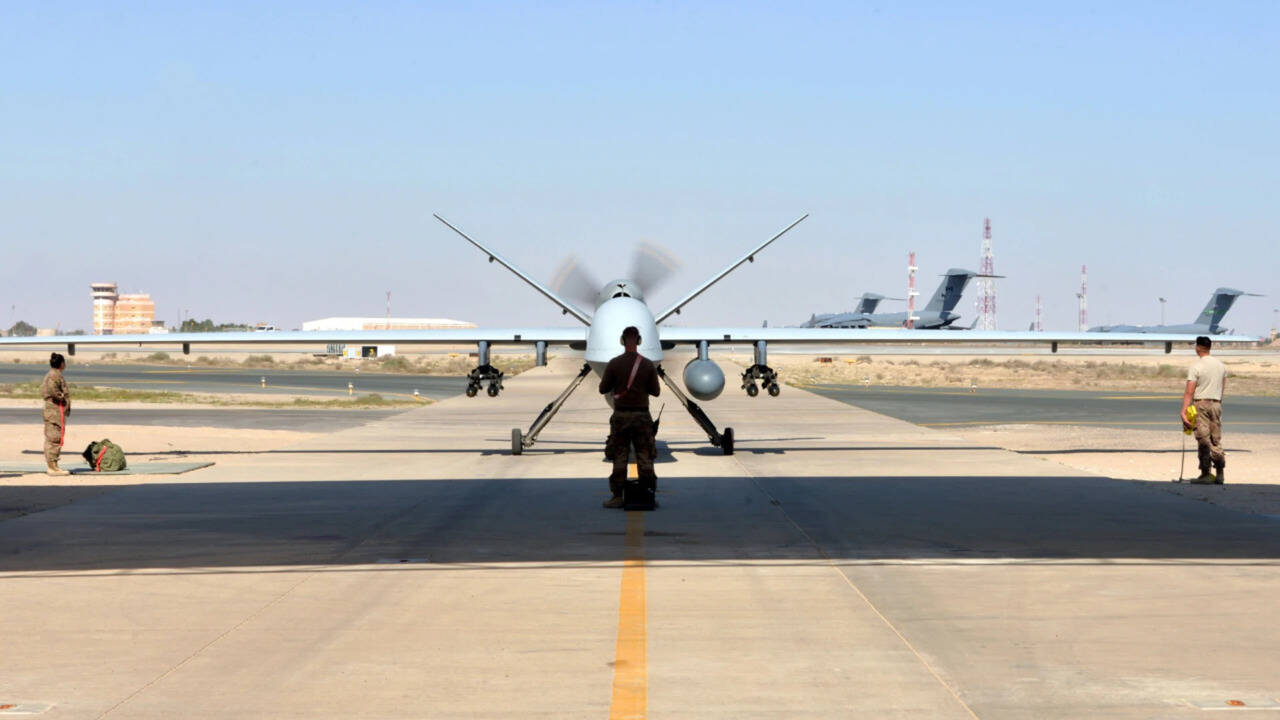
Nearly thirty MQ-9 Reaper drones operated by US Central Command have been shot down by Iranian armed forces since the beginning of the conflict, according to ABC News.The US is said to have lost as many as 42 aircraft in the campaign. The Reaper has been central to US operations in the CENTCOM theatre, which covers the West Asia area of responsibility.It has flown surveillance and strike missions for years over Iraq, Afghanistan, Yemen and Syria, in operations against ISIS and for anti-piracy missions.The Reaper—a slow, high-flying drone designed for reconnaissance—thrived in those missions because it operated in largely uncontested airspace against foes that lacked the ability to reach and engage it.This conflict with Iran is unusual: the slow-moving aircraft, which often follows predictable flight paths, has become an easy target for air defenses that do not have to contend with erratic maneuvers.Yet, the Reaper’s ability to fly long, slow, and risky missions over or near hostile territory makes it a valuable asset.The US operates over 300 of the aircraft; many are flown remotely by pilots in the United States via satellite links.The drone carries an advanced sensor suite. It can be fitted with an electro‑optronic pod offering day, night and thermal imaging, and with various radars tuned for different functions.The Reaper can carry up to eight AGM‑114 Hellfire air‑to‑ground missiles, GBU‑12 Paveway II laser‑guided bombs, Joint Direct Attack Munitions (JDAMs) and Air‑to‑Air Stingers (ATAS).India is also procuring the platform for all three services. The army and air force will receive eight each, while the navy will get 15 Reapers.These aircraft have an endurance of 40 hours and can remain on station far longer than manned aircraft, helping build a better intelligence picture. India is procuring the platform for more than $3 billion; the aircraft will monitor the Indian Ocean and India’s extensive land frontiers.The Indian Navy currently operates two leased Reapers.Under the deal, 21 of the drones will be assembled in India and ten will be procured fly-away. About 34% of components are to be sourced locally.A separate Rs 4,000+ crore contract was signed to establish a depot-level maintenance, repair and overhaul (MRO) facility providing performance‑based logistics (PBL) for eight years or 150,000 flying hours. General Atomics will also assist the Defence Research and Development Organisation (DRDO) in developing similar unmanned aerial vehicles.Deliveries are set to begin in 2029.
