



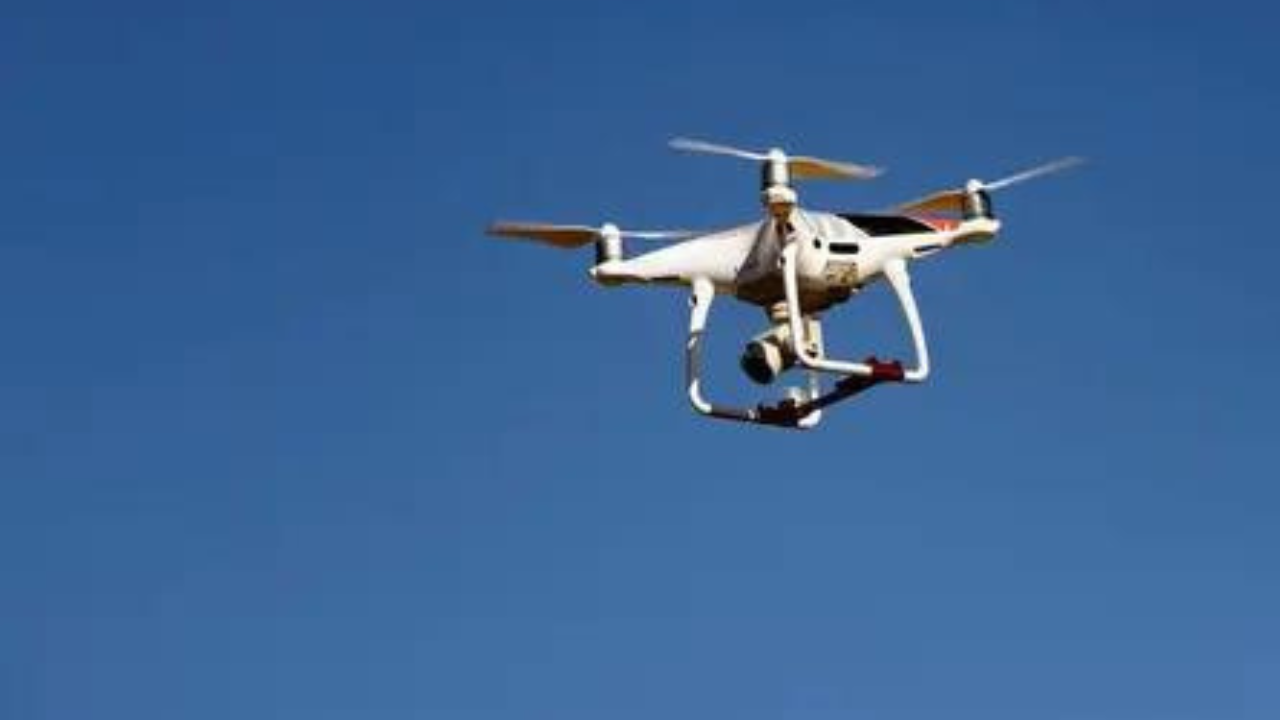
NEW DELHI: Using drones to transport sputum samples from remote villages to tuberculosis (TB) testing centres can cut the time taken to diagnose the disease by nearly two-thirds while almost eliminating patients’ travel costs, according to a first-of-its-kind Indian Council of Medical Research (ICMR) study conducted under its i-DRONE initiative.The study, carried out in Telangana’s Yadadri-Bhuvanagiri district, found that the median turnaround time for TB diagnosis fell from 15 days to just five days after drones replaced conventional road transport for sputum samples. Average diagnostic time dropped from 16.6 days to 6.9 days, while patients’ average out-of-pocket expenditure fell from Rs 9,451 to just Rs 91, a reduction of nearly 99%.Published in the peer-reviewed journal IJTLD Open, the study evaluated drone-assisted sputum transport under real programme conditions in collaboration with the National TB Elimination Programme (NTEP). The research, conducted by scientists from AIIMS Bibinagar, the ICMR’s i-DRONE initiative and AIIMS Bhubaneswar, is the first long-duration programme-based evaluation in India to assess the impact of drone logistics on TB diagnosis. The intervention covered 11 primary health centres, 60 sub-centres and four TB units linked through a hub-and-spoke network coordinated from AIIMS Bibinagar. Instead of travelling 10-30 km to diagnostic centres, patients submitted sputum samples at their nearest health facility, from where drones transported them to laboratories equipped with CBNAAT and Truenat machines.Researchers enrolled 840 participants, including 206 during the conventional transport phase and 634 after drone operations began. Besides reducing diagnostic delays, the study found that next-day reporting of TB test results increased dramatically from 1.5% to 76.3%, while the proportion of patients waiting more than two days for results fell from 92.2% to 16.3%.Patients cited poor transport connectivity, travel difficulties, wage loss and stigma associated with repeated visits to health facilities as major reasons for delaying diagnosis. By shifting sample transport instead of patient travel, the drone network substantially reduced both financial and logistical barriers, researchers said.The study concluded that integrating drones into the National TB Elimination Programme could improve access to rapid diagnosis in rural, hilly and difficult-to-reach regions, helping India move closer to its goal of eliminating tuberculosis. While the authors acknowledged that the study was conducted in one district and longer-term outcomes such as treatment adherence still need evaluation, they said the findings demonstrate that drone-enabled logistics are operationally feasible and can strengthen equitable access to TB care.
