



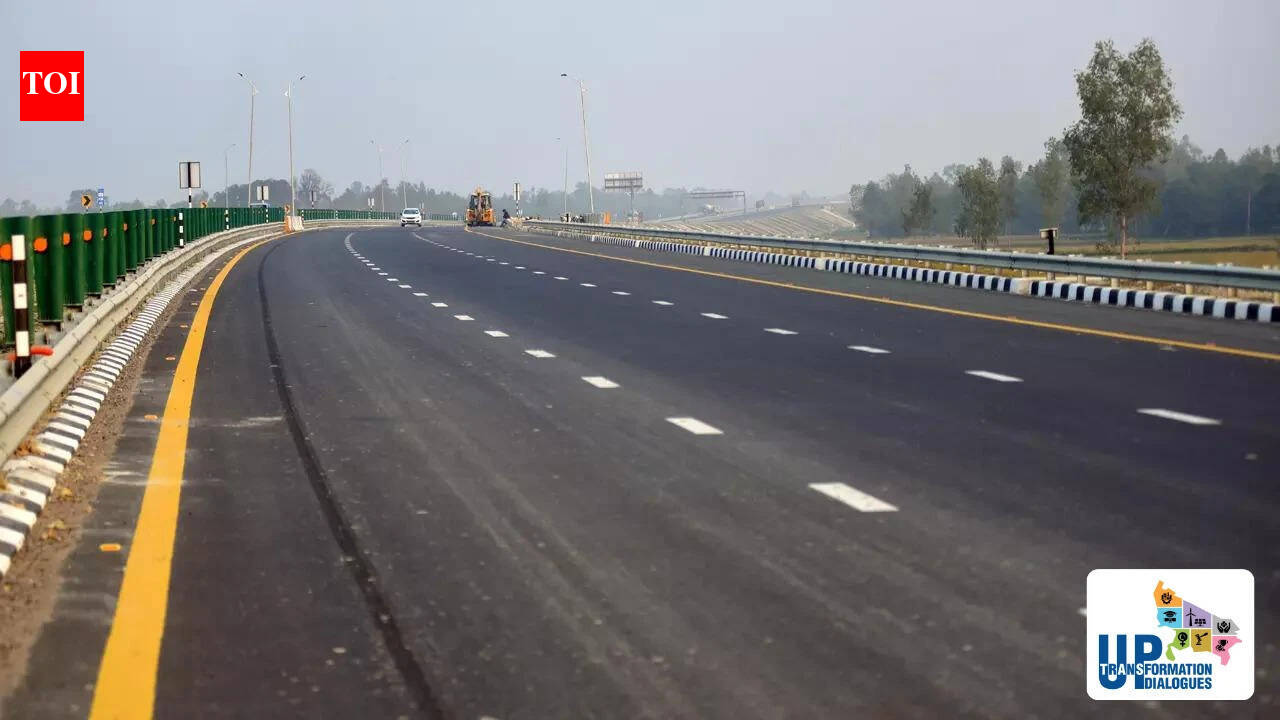
Over the last nine years under chief minister Yogi Adityanath’s leadership, Sant Kabir Nagar district in Uttar Pradesh has witnessed substantial infrastructure growth. Once listed among India’s backward districts in eastern Uttar Pradesh, the area has benefited from improved road connectivity, especially through the Purvanchal Expressway, which has drastically reduced travel times to major cities like Lucknow and Gorakhpur. Successive government initiatives have led to the construction and upgrading of rural roads, bridges, and civic facilities. Large-scale project packages, such as the recent inauguration and foundation-laying of hundreds of works worth hundreds of crores, have focused on enhancing local accessibility and basic amenities.Tourism and religious heritage development have received special attention, leveraging the district’s spiritual legacy. Initiatives like the proposed Baba Tameshwar Nath Dham Corridor aim to develop temple complexes with modern roads, parking, sanitation, lighting, and amenities on the lines of Kashi Vishwanath and Ayodhya. Bakira Lake, a Ramsar site, is being positioned as an eco-tourism destination. These efforts, combined with better connectivity, are expected to boost local employment for traders, youth, and service providers while preserving sites linked to Sant Kabir Das and other saints.Education, skill development, and healthcare infrastructure have expanded notably. New degree colleges, polytechnics, ITIs, and skill centers have been established, alongside schemes like Operation Kayakalp, Project Alankar, Atal Residential Schools, and composite schools. Health coverage under Ayushman Bharat and improved primary facilities have reached more residents. These steps address historical gaps in human development, aiming to equip the local youth with better opportunities in a transforming eastern Uttar Pradesh.Welfare schemes and industrial pushes have supported economic inclusion for farmers, women, and the poor. Programs delivering free rations, housing under Pradhan Mantri Awas Yojana and Chief Minister Rural Housing, self-help group assistance, and youth entrepreneurship grants have directly benefited thousands. Industrial zones like those under Greater GIDA and expansions in areas such as Maghar and Dhuriyapar are fostering small-scale units and jobs. Overall, these multi-sector efforts reflect a sustained focus on turning a previously neglected district into a contributor to the state’s growth narrative.The economy of Sant Kabir Nagar remains predominantly agrarian, with agriculture serving as the backbone for the majority of the population. The district benefits from fertile plains and a network of rivers, supporting the cultivation of crops such as paddy, wheat, sugarcane, pulses, and vegetables. Government initiatives under Yogi Adityanath, including improved irrigation facilities, better rural connectivity via the Purvanchal Expressway, and farmer welfare schemes like free ration, PM-KISAN, and crop insurance, have enhanced productivity and income stability. Farmer Producer Organizations (FPOs) have also been promoted to strengthen collective bargaining, processing, and market access for small and marginal farmers.On the industrial and business front, the district has seen gradual diversification through MSMEs, handicrafts, and emerging clusters. Brassware (particularly from Bakhira) stands out as a traditional strength, recognized under the One District One Product (ODOP) scheme, with artisans producing exquisite utensils and handicrafts that have gained wider market visibility. Agro-based industries dominate the MSME landscape, alongside readymade garments, wood-based units, and repairing services. Recent pushes include industrial growth in areas like Dhuriyapar under Greater GIDA, expansion of the Maghar industrial zone, and plans for textile and apparel parks named after Sant Kabir, which are expected to generate significant employment and attract investment in skill-intensive manufacturing.Sant Kabir Nagar’s ODOP product, Bakhira Brassware, has emerged as a flagship of the district’s traditional craftsmanship under the One District One Product scheme. This centuries-old cluster in Bakhira specializes in handmade brass utensils, decorative items, bowls, plates, glasses, and ritual objects crafted by skilled local artisans using age-old techniques. The Yogi Adityanath government has provided targeted support through branding, skill training, market linkages, e-commerce integration, participation in trade fairs, and quality improvement initiatives, reviving a sector that was once on the decline. This has not only preserved cultural heritage but also empowered hundreds of artisan households with sustainable livelihoods. odopup.inWhile the district’s direct contribution to Uttar Pradesh’s overall GDP remains modest given its small size, the ODOP brassware segment has added to the state’s handicraft exports and rural economy. Brass products from Sant Kabir Nagar cater to both domestic demand and international markets, aligning with UP’s broader ODOP-driven export surge.Healthcare infrastructure has seen notable advancement with the planned development of a medical college and hospital through public-private partnership mode. This project aims to bridge critical gaps in tertiary care, reducing the need for residents to travel to larger cities for specialized treatment. Complementary efforts include the construction of new buildings for 19 sub-health centers, upgradation of existing facilities under schemes like Operation Kayakalp, and establishment of an ART Centre at the joint district hospital. These initiatives have improved access to quality medical services, enhanced emergency response, and strengthened overall public health delivery in the district.Reliable power supply and basic utilities have transformed daily life and supported economic activities. Consistent electrification of villages, feeder separation for agriculture and domestic use, and infrastructure upgrades have minimized outages that previously hampered productivity. Alongside this, focus on drinking water schemes, sanitation drives, and rural connectivity has elevated living standards. These foundational developments have created an enabling environment for small businesses, education, and healthcare delivery, contributing to higher human development indicators in what was once a backward region.
