



5 min readJul 25, 2026 01:19 PM IST
First published on: Jul 25, 2026 at 12:09 PM IST
An old joke goes that the word “politics” comes from two root words: “Poly” or many, and “ticks” or blood-sucking creatures.
The word’s actual origins can be traced to “polis”, or the Greek word for the city-state. It was the civic unit under which citizens and those holding power engaged with one another for creating a better quality of life. But over 2,000 years later, “politics” evokes a much more adverse reaction — a feeling of being compromised, of something dirty.

The disgust is not limited to our nation state or political parties. One only needs to tune into the latest episode of Bigg Boss to hear shrieky accusations of politics and games being played within their own islands of administration.
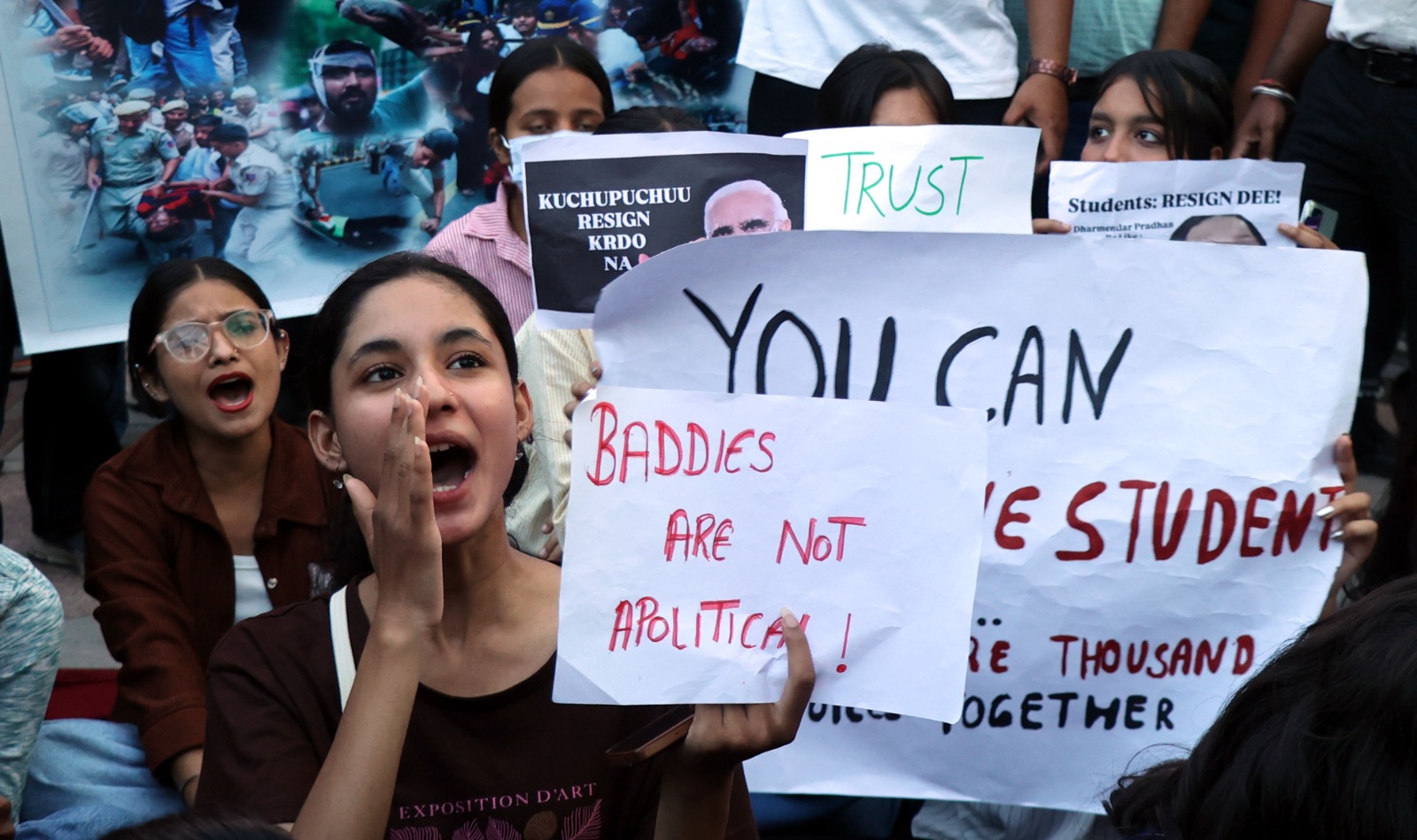
So much so that a protest demanding the resignation of a political leader, organised by activists and former political communications professionals, has at times been comically described as a non-political event. And it’s not just coming from fluff social media statements from celebrities, who are nowadays generally uninterested in sticking their necks out.
Many attendees have been reported as saying that they support specific demands for resignation and systemic reform, but they don’t want the protest “politicised”. A similar fate seems to have befallen the word “agenda”, which simply means an issue that one plans to deal with. But even the whiff of politics or agenda, and the Indian citizens seem to say, no thanks. No politics or agenda in my protest to seek accountability from my political leaders.
On the face of it, this impulse can appear practical. Given the built-on-sand nature of India’s political alliances and recurring cases of splits within parties, who can be surprised at politics slowly losing its last few shreds of credibility? Few people want to be perceived as doing politics even in the spheres of their office or RWA because it hints at a deployment of shrewdness and self-serving ambition. It would follow that a protest may need a safety bubble, too, protected from politics. And today, when blame, labels or punitive action are quick to fly when power is criticised, “non-political” can be a shield.
What is also interesting is that the continued degradation of the reputation of politics, in the traditional sense of the word, has happened despite landslide election wins and the rise of popular, one-man show leaders. Politics itself is still seen as dirty business, risky, or having to do with people having dynastic links or those at least a little bit power-hungry. It is criticised in most aspects of life, even though it is only the medium through which things often get done.
Politics can get dirty, but at its core, it is about managing people, circumstances, human emotions and influencing them to achieve certain goals. It has been done since the beginning of human society because it speaks to some of the fundamental interests of humans — of seeking more than what they have and wanting to bend things their way through collective action.
If no politics were ever done, very little would move in history. If a protest wants systemic reform in education and accountability, it would have to go through Parliament, policy debates for new laws and government action, all of which are political processes. The decision to visit a protest site, to join others in demanding moral responsibility, is itself a political one.
A reluctance to acknowledge politics only adds to its perception as something divorced from our daily lives, best left for others to practice. Not calling it what it is and not engaging can also contribute to a society where individuals are increasingly left to fend for themselves, in the absence of politics marked by competitiveness and ingenuity.
What is equal parts comical and concerning is that politicians themselves have used the word “politics” to try and puncture arguments, indicting their own profession in the process. Why is the Leader of the Opposition attaching himself to a protest movement, we are asked. This is for “political headlines”, it is argued.
But is the decision for a minister to retain his role in the face of large-scale criticism also not a political one? Is it detached from the politics of the day? Of course not. Maybe some better questions to ask now are why being political has to be something that only non-state and establishment-critical groups do, and why that supposedly makes them inherently suspect.
The writer is deputy copy editor, The Indian Express. rishika.s@expressindia.com
