



4 min readFeb 17, 2026 07:10 AM IST
First published on: Feb 17, 2026 at 07:10 AM IST
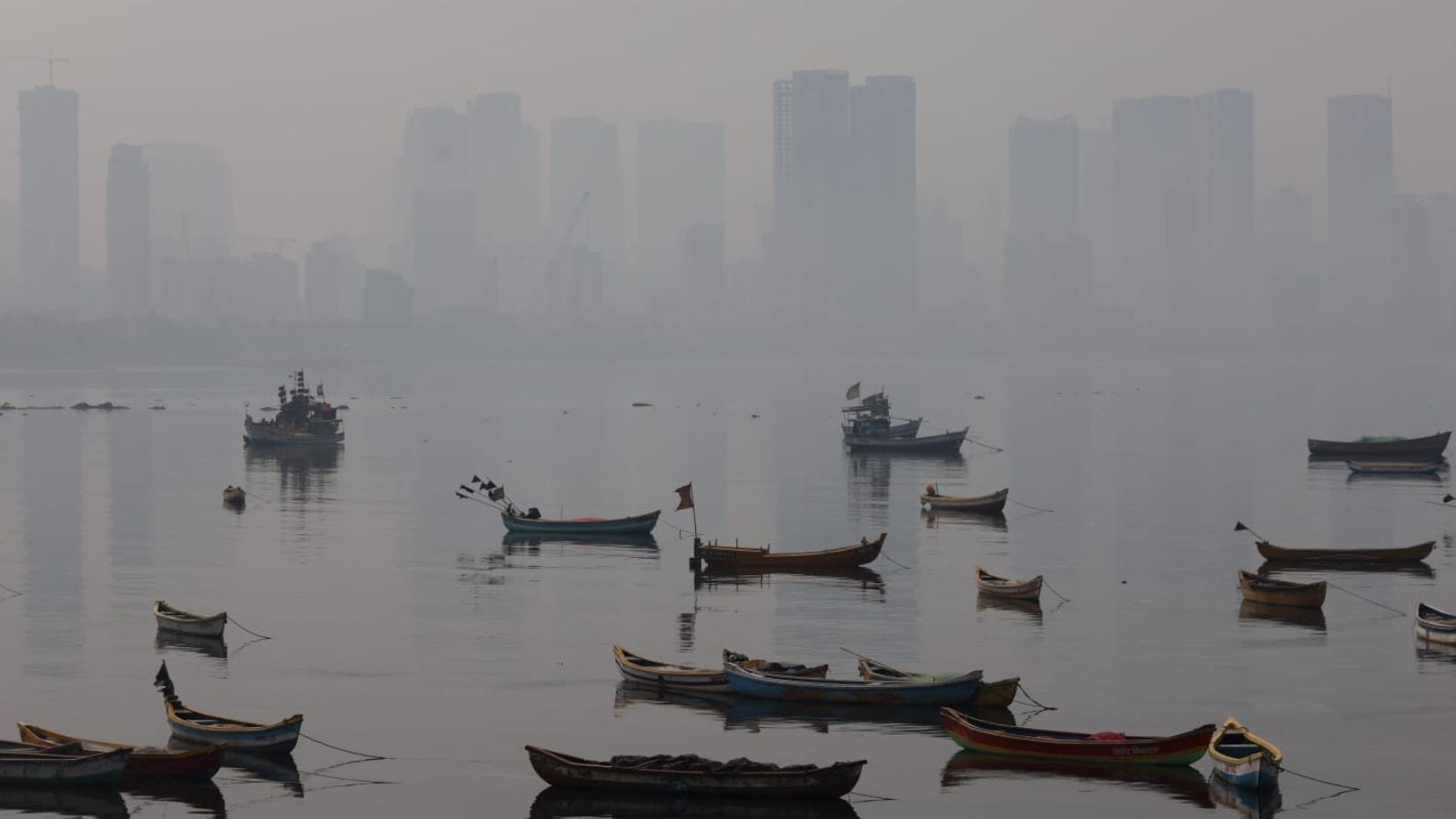
The beauty of climate weeks, globally, is that they are bipartisan and honest — platforms where environmentalists, conservationists, enthusiasts, innovators, CSR advocates, and environmental causes come together with the executive and legislative branches of political forums. Even as Mumbai hosts a Climate Week, our city has been engulfed in some of the worst air quality over the past four years, with no significant action from the government.
In fact, every corner of Maharashtra today faces threats. From the mines that will now be opened up around Tadoba Tiger Reserve and Ghodazari Wildlife Sanctuary, to the illegal mining in the Western Ghats, the government endorses every action against nature. From the destruction of mangroves to allowing builders to illegally cut trees in our cities, all is pardoned. From letting illegal coal washeries and fly ash destroy lives and livelihoods in Vidharbha and Marathwada, to letting trees be cut in Mumbai for hoardings and flyovers, everything is overlooked.

Let’s see what the state’s CM has to say about the narrowing and shallowing of the Mula-Mutha rivers; on the hacking of 7,500 trees on the riverbank; on the plan to flatten the Vetal Tekdi hill in Pune. Nashik faces the axe on the Tapovan forest and Nagpur on the Ajni Vann green belt. There is also the Tansa Wildlife Sanctuary where around 5 lakh trees are to be hacked to build the Gargai dam, even when desalination is an alternative.
The city’s BEST buses have been made unaffordable and reduced in numbers. Builders have been given a free pass to finish off our open spaces — from gardens to the Aarey Colony and the Mahalaxmi Racecourse. There is no roadmap for river restoration and the ban on single-use disposable plastic has been eased. We want to hear our CM speak clearly on these issues.
MoUs, partnerships, announcements for ocean cleanups, and making industries and people adhere to green norms are one thing. But what about the government’s negative impact on climate action? Announcements of electricity-guzzling Metro lines and tree plantations can’t help in real climate management. The mystery of 13 crore trees planted a decade ago still remains unanswered. We need to know why the Mumbai Climate Action Plan and the commitment to net zero for 40 cities in Maharashtra were shelved by the government.
India can reap economic and demographic dividends provided we manage climate action better. The country’s diversity, food systems, rural and urban life and livelihoods, and social harmony all depend on how we negotiate climate change.
At the national level, Paris Climate Pact commitments have been long forgotten for all practical purposes. Polluted states like Delhi are governed by those who blame the past for today’s problems. The destruction of the Himalaya, the mindless plan to finish off the Great Nicobar region and, more importantly, the weakening of basic anti-pollution measures for thermal power plants are official government policy. Where do all these fit in the posturing of the Union government at a forum meant to bring like minds together for the planet?
A simple piece of advice from Gita Gopinath at the WEF Annual Summit 2026, to manage our pollution better, led to trolls calling her anti-national. I hope our platforms can be safe spaces for open speech despite an anti-environment regime.
The Climate Week is a welcome step to question our policymakers, make them accountable. It is also an opportunity for the government to learn from others. Let’s hope that beyond the guest lists, receptions and media management, this is what matters to them. Only then will the Mumbai Climate Week shine as a landmark forum for honest and safe conversations globally. Let’s pray that hope meets action and rhetoric meets reality here.
The writer is president, Yuva Sena, the youth wing of Shiv Sena (UBT)

