



6 min readMar 2, 2026 01:38 PM IST
First published on: Mar 2, 2026 at 01:38 PM IST
By Shivam Shekhawat
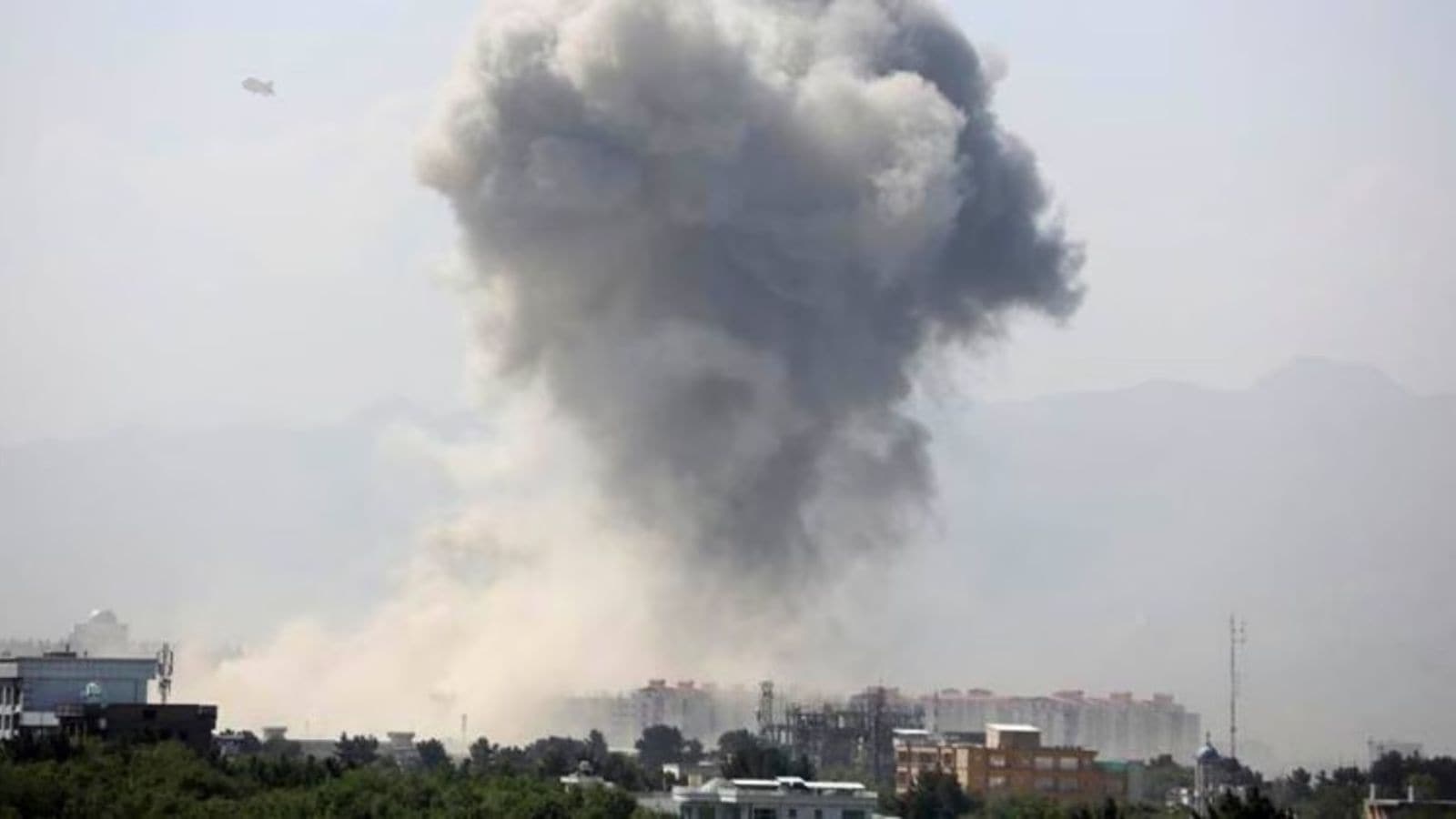
Marking a major escalation in a crisis which had been building up for the past four-and-a-half years, Pakistan and Afghanistan are currently engaged in what has been characterised as an “open war” by the Pakistani Defence Minister. On February 26, the Afghan Taliban forces launched “large-scale offensive operations” on military bases across the border in the Khyber Pakhtunkhwa province, in response to the February 22 Pakistani airstrikes on suspected Tehreek-i-Taliban Pakistan (TTP) hideouts, which led to civilian casualties in Paktika and Nangarhar provinces. Moving one step ahead on the escalation ladder, Pakistan announced Operation “Ghazab lil-Haq”, effectively translating to “righteous fury”, indicating how its response is centred on the Afghan Taliban forces’ provocation. The operation, currently ongoing, has targeted military facilities in Kabul, as well as the provinces of Kandahar and Paktika.

When the Taliban returned to power in Afghanistan in August 2021, there were apprehensions about what this would mean for the region. While countries in the region and beyond were sceptical of the approach they should adopt, the leadership in Pakistan was jubilant, seeing their return as a success of their longstanding quest for gaining strategic depth within Afghanistan. But almost half a decade since then, the two sides have engaged in multiple strikes and skirmishes, with the last deadly clash in October last year. While there are expectations that the current phase of fighting may die down in the next few days owing to international pressure and the conventional asymmetry between the capabilities of both countries, it still marks a break from previous stand-offs, as the targets this time on both sides were key government and military facilities.
Historically, Afghanistan and Pakistan have been at loggerheads because of the dispute over the Durand Line, the colonial-era boundary which Afghanistan refuses to recognise as the border between the two countries. Beyond that, the Taliban’s return saw a parallel rise in the strength and capability of the TTP to inflict attacks within Pakistan. In 2025 alone, there have been a total of 699 attacks recorded within Pakistan, of which TTP made up 68 per cent. The February 22 strikes were seen as a revenge for the February 6 attack on a mosque in Islamabad, the second such attack in the city after the November 2025 attack outside a court complex, which was claimed by a faction of the TTP. The Islamic State Khorasan Province (ISKP) took responsibility for the most recent attack.
While the Afghan Taliban deny any support to the group and blame Pakistan for failing to manage its internal affairs, Islamabad has called for the Taliban to stop its support and act on the groups functioning within the country. The Taliban’s Interior Minister, Sirajuddin Haqqani, in an address to a mosque in the Khost province, stated that they have, over the years, tried to restrict Taliban members’ participation in the activities of the TTP and to not join their “jihad” against the Pakistani establishment. Beyond this, Afghanistan has denied any influence it has on the group. While there are long-standing ties between the TTP and the Afghan Taliban, with the former pledging allegiance to the Taliban’s emir, the capability and willingness of the Afghan Taliban to do anything against them remains doubtful and shall remain so in the near future as well. This thus makes the situation intractable.
Pakistan is currently facing an internal crisis, with dual insurgencies within the country — both religious and ethno-nationalist — and the state’s capitulation in front of them because of the lack of a coherent approach. In this context, for the Pakistani establishment, taking a provocative stance is considered imperative. With an apparent thaw in the ties between Afghanistan and India, it also pegs the blame on the collusion between the two countries to foment terror within Pakistan and states its readiness on both the eastern and western sectors.
Countries in the region and beyond have their own interests at stake when it comes to the intensification of fighting in the region. China, Russia, and Iran have offered their support in facilitating dialogue between the two sides, whereas both countries have had conversations with the leaders of Türkiye and Saudi Arabia in order to find a solution to the crisis. Qatar also offered to play a mediating role. While the extent to which third parties could effect a change in the situation is unclear, considering their failure in the previous phase of hostilities, a certain degree of pressure can contain violence in the short run. Pakistan is also bolstered by the tacit support offered by the President of the United States, who has acknowledged the country’s right to self-defence against the Afghan Taliban.
Notwithstanding the ongoing standoff, the TTP, as well as its factions like the Jamaat ul Ahrar (JuA) and the Hafiz Gul Bahadur (HGB) group, have urged their militants operating in Pakistan to intensify their attacks within the country, with JuA calling for more strikes in the urban centres. This indicates that there is no one-stop solution to the current crisis. For the Taliban as well, the optics of not responding decisively to Pakistan’s aggression are grave, considering it is focused on legitimising its rule and may see the cost of being complacent in the face of external aggression as grave. The real victims in the current situation are the civilians on both sides of the border who are caught in the crossfire.
Even as Pakistan seems intent on making the Taliban realise the strategic costs of hosting militant groups within the country, it cannot hope for a resolution of the crisis unless it takes stock of its own long-standing policy of aiding and abetting terror proxies against its neighbours and realises the folly of believing that the actions of the groups which you foster will always align with your interests in the long run.
The writer is a junior fellow with ORF’s Strategic Studies Programme

