



5 min readMar 24, 2026 12:37 PM IST
First published on: Mar 24, 2026 at 12:35 PM IST
The announcement by US President Donald Trump of a five-day postponement of military strikes on Iranian energy infrastructure based on talks with Tehran — which it has denied — should not be seen as a simple diplomatic gesture. In modern warfare, especially conflicts involving missile strikes, maritime choke points, and energy infrastructure, pauses seldom signify goodwill. They typically indicate operational resets, logistical consolidations, or political repositioning.
The timing of the decision indicates that this pause may be a strategic recalibration rather than a genuine peace effort. Public statements from Washington described the postponement as a result of “productive conversations” with Tehran. However, Iran’s strong denial of any direct negotiations casts doubt on the authenticity of this narrative. In strategic communication, statements about dialogue often serve domestic political optics as much as military realities.

From a military perspective, a five-day pause closely aligns with operational logistics cycles. These include replenishing precision-guided munitions, reassessing battle damage, repositioning naval and air assets, and recalibrating intelligence and electronic warfare systems.
Modern missile warfare depletes resources at extraordinary rates. Even highly advanced militaries cannot maintain high-tempo operations without breaks. The idea that this pause allows Israel to replenish its interceptor and strike missile stocks is therefore plausible. In prolonged missile exchanges, attrition turns into the key factor. The main constraint shifts from battlefield capability to production capacity. Supply chains become critical vulnerabilities.
At the core of this confrontation is geography more than ideology. The Strait of Hormuz is the world’s most vital maritime energy route. Nearly one-fifth of the global oil supply passes through this narrow channel, underscoring its strategic importance and the need for vigilance among policymakers and military strategists. Iran’s demonstrated ability to impose partial blockades using mines, drones, and anti-ship missiles gives it powerful asymmetric leverage. Even minor disruptions can trigger global oil price fluctuations and increase shipping insurance costs.
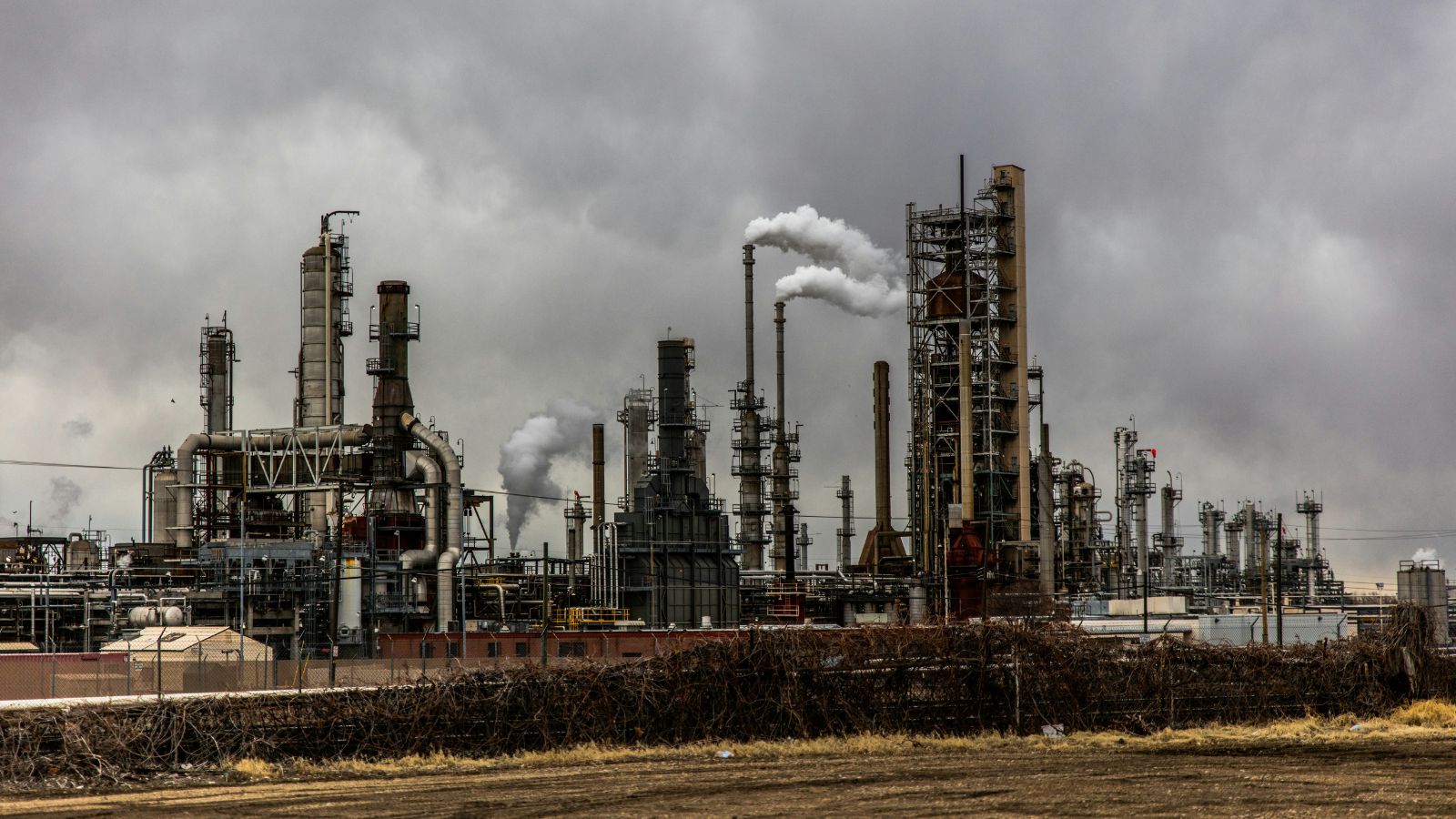
Particularly concerning was Iran’s threat to retaliate and target oil facilities and desalination plants across the Gulf states if the US hit Iran’s power plants. In Gulf geopolitics, water infrastructure is as crucial as oil facilities. A strike on desalination plants could cause humanitarian crises within days, putting immense pressure on governments and sparking international intervention. This likely played a key role in the sudden halt of hostilities. Water supply systems are vital for survival in desert environments, making them important targets during escalation scenarios. Indicators include diplomatic rhetoric without signed agreements, ongoing forward deployment of military assets, and no visible withdrawal from operational theatres.
If strike groups remain in position and combat aircraft remain forward-deployed, the pause should be seen as repositioning rather than de-escalation. Pauses in active conflict have often preceded renewed intensity rather than lasting peace. From Korea to Vietnam and Iraq, operational pauses have often been followed by renewed combat intensity. Seeing the current delay as a final sign of peace would therefore be a strategic mistake.
Domestic political dynamics in Washington cannot be ignored. Public announcements of diplomatic progress during active conflict often serve political messaging objectives. Such declarations reassure allies, shape public perception, and maintain the credibility of leadership.
Strategic communication during wartime often combines operational needs with political messaging. Whether the current pause is due to domestic political reasons remains uncertain, but historical examples show that political optics frequently intersect with military decisions.
Gulf nations now face a sensitive strategic dilemma. They must sustain security alliances with Western countries while preventing conflict with Iran. The fear of a humanitarian catastrophe has compelled Gulf governments to adopt cautious strategic balancing.
For New Delhi, the lessons are clear. India imports a large portion of its crude oil, much of which comes from Gulf suppliers. Any ongoing disruption in the Strait of Hormuz would drive up oil prices, increase shipping costs, and add to inflation across various sectors. India’s sizable expatriate community in the Gulf states increases its vulnerability. Millions of Indian nationals live in countries that could become targets in a widening conflict.
For India’s defence establishment, the evolving conflict underscores several vital lessons. High-volume missile warfare readiness, distributed logistics networks, indigenous interceptor production, and hardened infrastructure protection have become operational essentials rather than just theoretical goals. Recent conflicts across multiple theatres confirm that missile forces and air defence systems will dominate future battlefields. Engineering assets, hardened facilities, and layered defence architecture will determine survivability in high-intensity conflict environments.
The writer, a former Armoured Corps officer, is a defence analyst

