



3 min readMar 26, 2026 06:02 AM IST
First published on: Mar 26, 2026 at 06:02 AM IST
The international order is increasingly fragmented and its foundations are being eroded. There have never been so many armed conflicts since World War II. Trade tensions and imbalances linked to the growth models of the major global economic regions are weakening us collectively. The war in West Asia is just the latest example of the challenge of resolving disputes through diplomacy. France and India’s close coordination to advance peace and stability in the region is key, and President Emmanuel Macron and Prime Minister Narendra Modi are working closely to this end.
“The great risk of the times we are living in is the risk of […] seeing the ‘might is right’ mentality prevail. It is the risk of seeing the egotism of a few individuals prevail,” said the French President in September 2025 as he addressed the UN General Assembly. That is why a new international order must emerge to produce a fairer, more inclusive and more effective system, under the banner of renewed multilateralism.

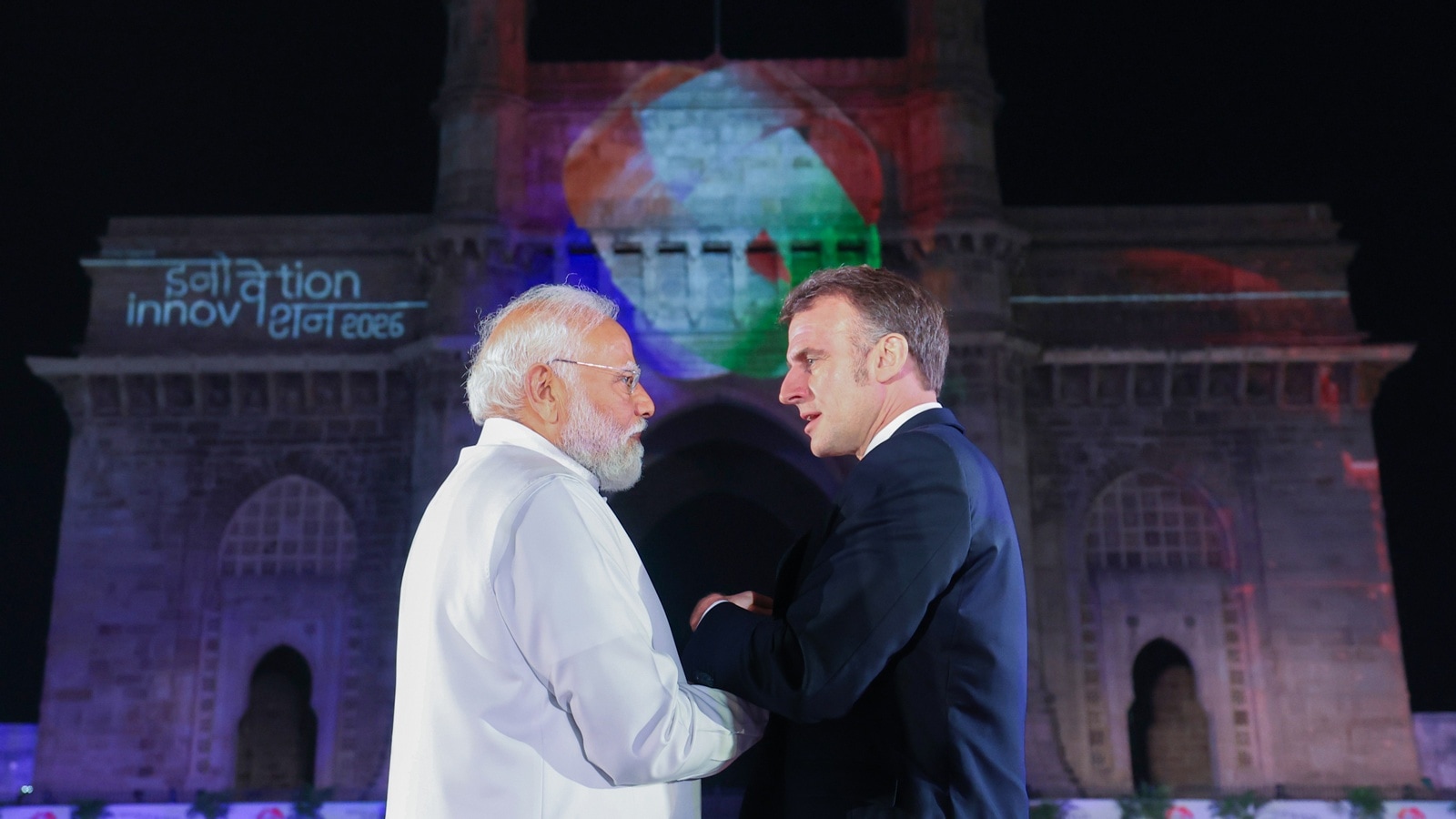
This year, the G7 will meet in France, with its presidency culminating in the Summit of Heads of State and Government, which will be held in Évian from June 15 to 17. President Macron has extended an invitation to Prime Minister Modi to participate in the G7 Summit.
France’s ambition for its presidency is to address structural factors of destabilisation and economic and geopolitical imbalances as well as enhance the resilience of our societies, while overhauling our partnerships with the most vulnerable countries. The work of the G7 should foster balanced and sustainable global growth for all.
France will also work to ensure that we can collectively strengthen the resilience of our strategic supply chains, cooperate to fight drug trafficking, and build safe digital environments for our children. The protection of our environment must also be a priority, with a focus on biodiversity, the oceans, and water.
To find a comprehensive and lasting response to these challenges, dialogue between the richest countries will not suffice. The French G7 presidency has therefore decided to involve major emerging economies and regional partners in its deliberations. The G7 Foreign Ministers’ Meeting, which is being held at Les Vaux-de-Cernay, near Paris, on March 26 and 27, has also been expanded to include India, Brazil, the Republic of Korea, Saudi Arabia, and Ukraine. The contribution of these countries is crucial for a growing number of issues, ranging from global governance to reconstruction and tackling cross-cutting threats. For the first time, India is closely associated in several discussions and preparatory deliberations ahead of the G7 Évian Summit.
True to its role as the initiator of the format in 1975, France aims to show that the G7, which was born in response to the first oil crisis, upholds a common vision of global prosperity based on three principles: Solidarity between nations, economic stability, and collective responsibility. France’s G7 presidency aims to be one of balance, convergence, and results, with the goal of producing real progress for everyone’s security and prosperity. In this spirit, India’s contribution and the strong ties between our two countries, which recently elevated their relationship to a special global strategic partnership, are essential to respond collectively to the major challenges confronting our world.
The writer is ambassador of France to India

