



3 min readMar 10, 2026 04:11 PM IST
First published on: Mar 10, 2026 at 04:10 PM IST
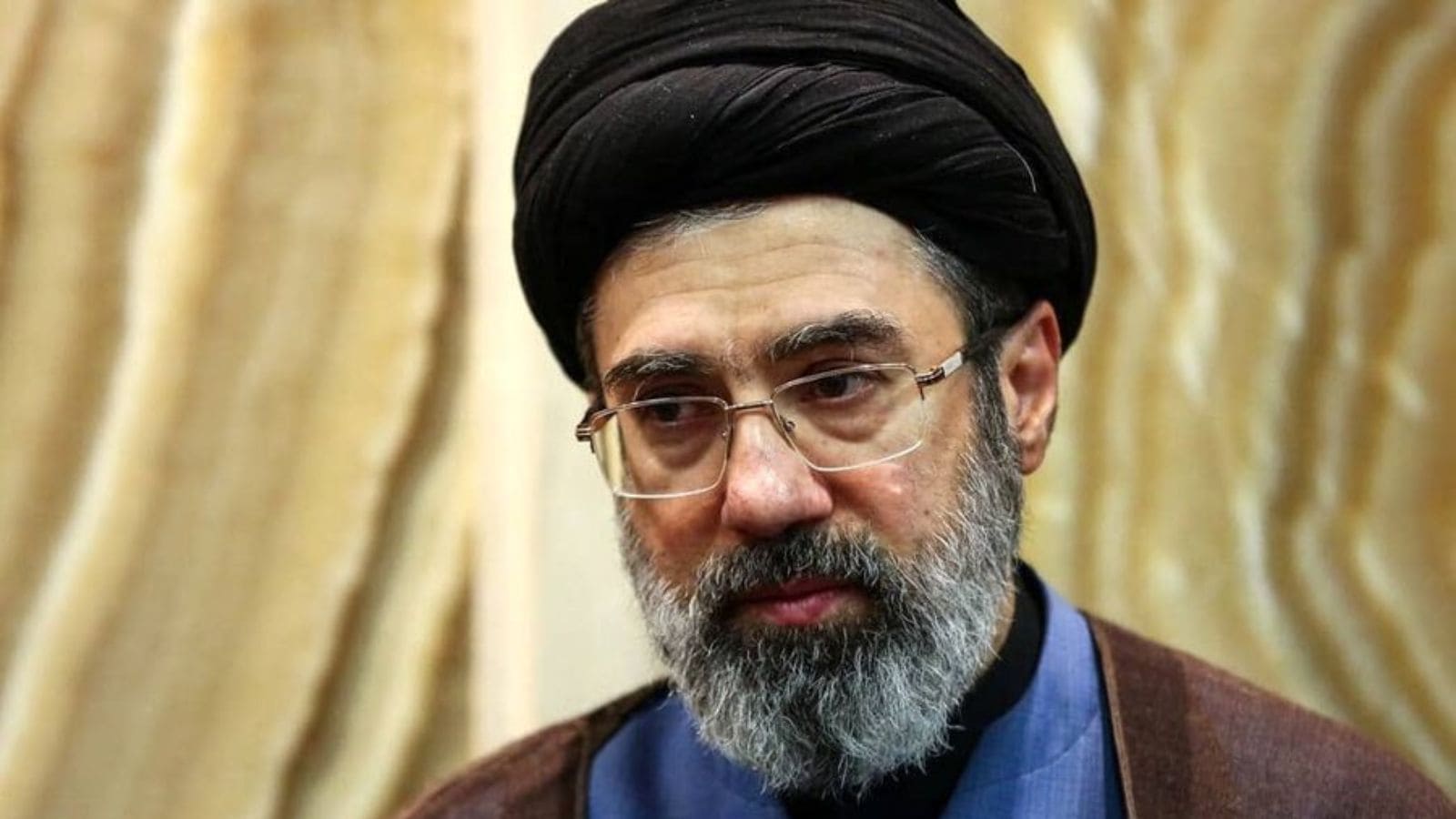
What must it feel like to lose your father and your child at the same time? This is a terrifying thought. As the battle between Iran and the United States and Israel continues to claim hundreds of lives, Mojtaba Khamenei, 56, the new spiritual leader, is defined by the weight of many personal losses. But surely Mojtaba is no stranger to this sense of profound loss, since, at Shia gatherings, he must have heard the well-known account of the Battle of Karbala: The death of Imam Hussain’s baby son Ali Asghar, who was hit by an arrow in his father’s arms.
Even though Mojtaba is in mourning, Iranians elected him to lead a country wracked by war, economic duress, and growing regional instability. In contrast to many world leaders who inherit strong institutions, Mojtaba has to start with uncertainty — and rebuild.

His father, Ali Khamenei, disliked the notion of Iran developing nuclear weapons and appeared to be overly affected by Jean-Paul Sartre’s apperception of negation. For years, he framed his belief that such weapons of mass destruction are incompatible with Islamic ideals as both a political position and a religious duty.
Sartrean philosophy, however, is rarely effective for a nation’s security environment. According to some analysts, Mojtaba is facing increasing pressure to reevaluate Iran’s deterrent stance given the geopolitical context, which has been shaped by persistent strategic pressure, sanctions, and war. The logic is straightforward: Iran could need stronger strategic defences to ensure its long-term survival in a region marked by recurrent conflict and nuclear-armed Israel and Pakistan. However, this appears to be only one of his challenges. Iran’s infrastructure has been severely strained by two wars in one year and decades of sanctions. Rebuilding and stabilising the economy is the Herculean task he has to cope with.
For most of the Muslim world, with Gulf countries’ collusion with Western powers, the concept of Islam as a spiritual and religious movement seems to have come under strain. What remains of Islam is Islamism, as wonderfully articulated by poet Nida Fazli in a couplet: Uth uth ke masjidon se Namazi chale gaye/ dahshatgaron ke hath me Islam rah gaya/ (As the faithful quietly walked away from the mosques/Islam was left in the hands of the extremists). Following the assassination of Ali Khamenei, the Muslim world will look to his son for spiritual leadership. Another daunting task for Mojtaba is to preserve Islam’s spiritual core in the face of Western aggression and the Shia-Sunni schism.
The worldwide mourning for Ali Khamenei and a protracted regional conflict appear to be redefining the globe. As Iran’s next supreme leader, Mojtaba has to cope with a younger generation of Iranians who are governed by shifting societal standards. Iran is presently at a turning point, and Mojtaba’s leadership will have long-term consequences for the world.
The writer teaches Media Studies at the Central University of Jammu

