



4 min readMar 26, 2026 07:44 PM IST
First published on: Mar 26, 2026 at 07:44 PM IST
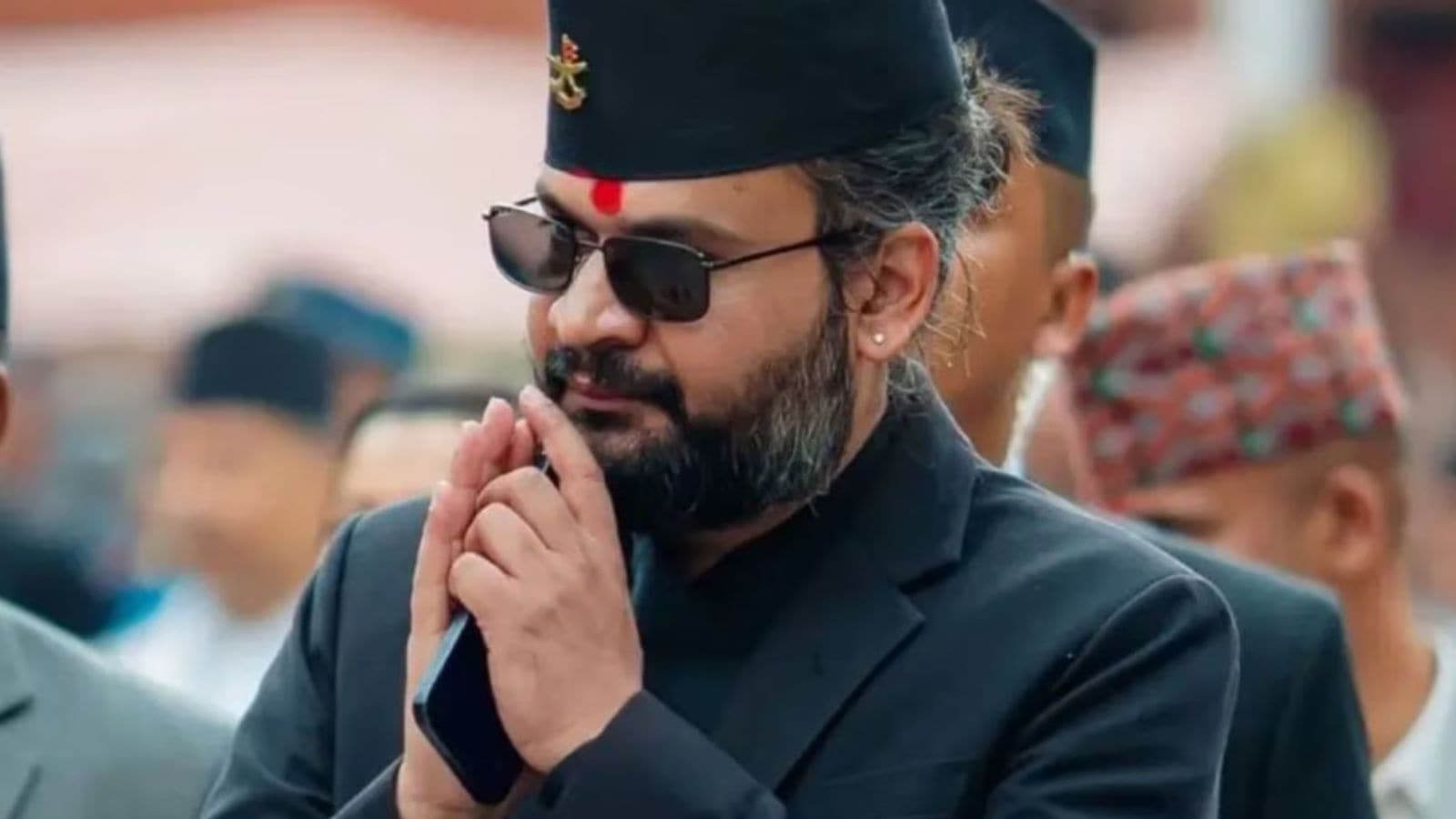
Balendra Shah’s probation as the new prime minister of Nepal will begin soon, and the 35-year-old engineer-turned-rapper is being seen as a new hope for a country ravaged by corruption and political instability. While some see in him a hardline Hindu, citing his choice of Ram Navami for his oath-taking day, others — including those who know him closely — say he is reserved and a man of few words, without a clearly defined political ideology or philosophy. However, he possesses a shrewd mind and high ambition. When Nepal’s political parties and candidates were raising ethnic, regional, and caste issues during electioneering, he traversed the length and breadth of the country, displaying utmost reverence for every faith. Politically, socially, and culturally, he projected himself as a quintessential Nepali, standing for harmony and unity rather than polarisation or identity politics.
During the 2026 election campaign, he was able to mobilise anti-corruption crusaders across generations, along with strong support from women and the diaspora. In a society where tradition and belief systems intertwine, Balen himself is believed to take a keen interest in Vastu and astrology. He will be watched and judged for what he does, to some extent for what he does not do, and, equally importantly, for what he chooses to undo.

Within the Rastriya Swatantra Party, Balen has already made it clear to party chief Rabi Lamichhane that he intends to exercise his prerogative as prime minister in the formation of the cabinet, and that he is not interested in a rotational leadership of the government. Lamichhane may command more followers in Parliament than Balen, but most agree that it was Balen who attracted the popular support that translated into nearly a two-thirds majority for the RSP.
Many questions are being asked about what Balen will do. Will he undo or annul appointments made over time in the judiciary, corporations, and government authorities by different political parties? Will he initiate a major shake-up of the “over-politicised” bureaucracy? Will he launch probes into high-level corruption, even if members of his own party may have to face the axe? And how will he respond to competing external forces so deeply involved in domestic politics?
Nepal’s foreign policy approach has, over the years, lost both direction and autonomy. Since the unexpected political fallout following the Gen Z protests of September, China has grown wary of US involvement. India and the United States have, so far, largely succeeded in restraining Nepal from executing projects under the Belt and Road Initiative, warning that it could lead to a “debt trap”. Nepal and China had signed the BRI MoU in 2017, followed by a framework agreement two years ago.
Two recent back-to-back high-level visits to Nepal from the US Indo-Pacific Command and the US Army Pacific Command, in the wake of Washington prioritising “prosperity and security” as a shared goal with the new dispensation, carry added significance. Nepal’s former Army Chief, Prabhuram Sharma, had told senior defence officials at the Pentagon as far back as June 2022 that Nepal could not join the State Partnership Program — a position, a senior army official says, that Nepal continues to uphold, and one that the US appreciates.
However, the country’s non-aligned approach has taken a back seat under successive governments, particularly in the context of major global developments. The entry of multiple global players has increasingly turned Nepal into a playground for external forces, heightening fears of potential conflict. Balen’s challenges, therefore, are many. His habitual silence may work to his advantage for a while, but not indefinitely — especially as prime minister, when he must navigate competing and often conflicting external powers that bear upon Nepal’s development and stability.
The writer is the Kathmandu-based contributing editor for The Indian Express

