



4 min readFeb 13, 2026 03:50 PM IST
First published on: Feb 13, 2026 at 03:43 PM IST
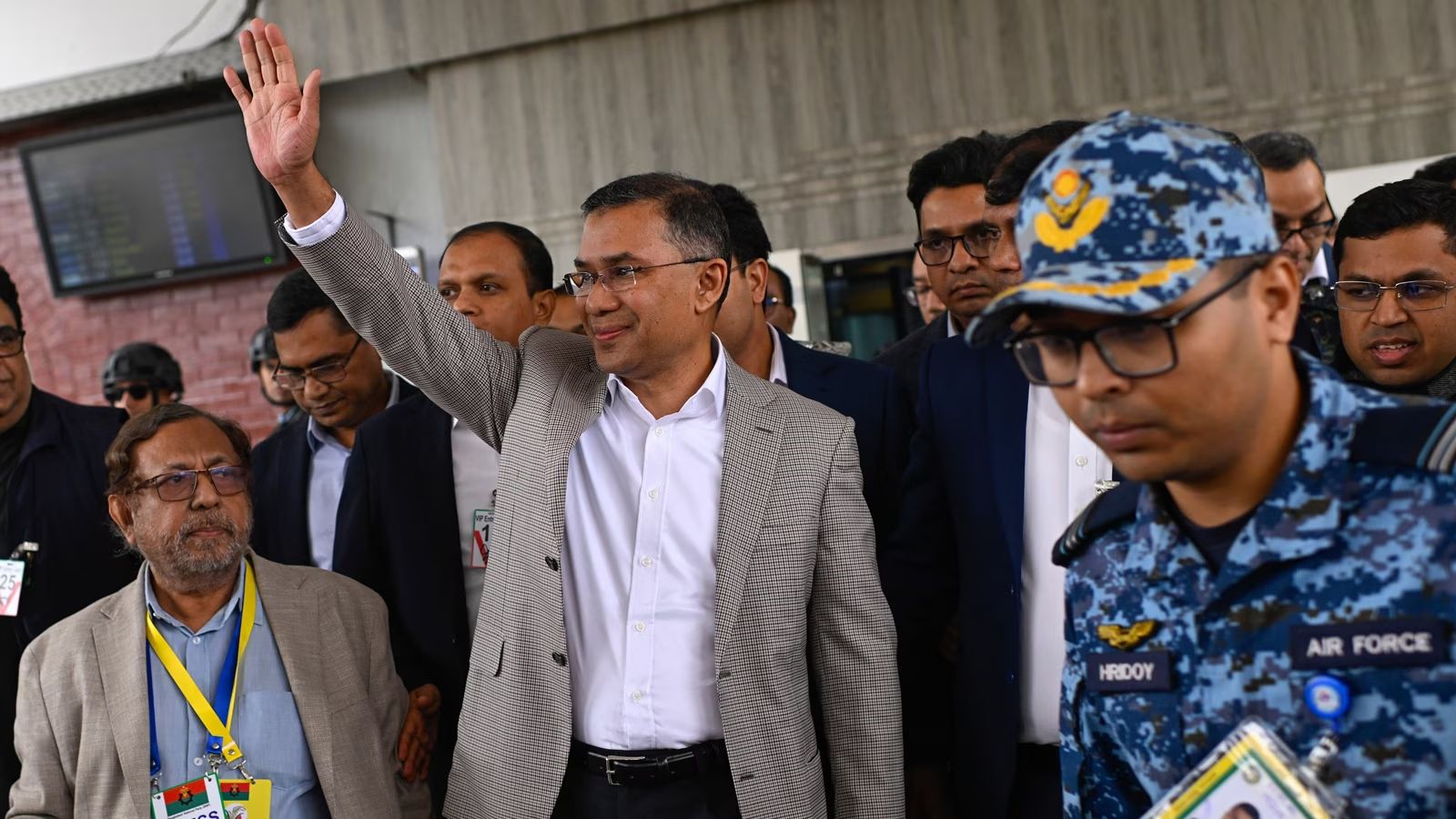
The Bangladesh Nationalist Party (BNP) is poised to reclaim power after a sweeping victory in Thursday’s parliamentary elections, with party chairman Tarique Rahman set to assume the role of prime minister. The triumph marks the end of the Awami League’s long-standing dominance, upended by a mass student-led uprising in July 2024. Riding on widespread public discontent and a wave of organisational resurgence, and backed by promises of loan interest waivers for farmers, two million jobs for the youth, free education for women, and a zero-tolerance policy toward violence against minorities, the BNP has secured a decisive mandate after years in the political wilderness.
The BNP’s victory is poised not only to reshape Dhaka’s domestic power structure but also to herald a new phase in Bangladesh’s foreign policy — one defined by a strategic recalibration of ties with its neighbours, especially India, Pakistan, and China, with profound consequences for India’s strategic and security calculus.

For India, close cooperation with Bangladesh — sharing a 4,000-kilometre land border — is vital to curbing cross-border insurgency, denying sanctuary to anti-India militant groups, and securing the vulnerable eastern and north-eastern frontiers. Bilateral ties have frayed badly in recent years, evident not only in diplomatic unease over the treatment of minorities but also in occasional flashpoints like the BCCI’s expulsion of Mustafizur Rahman from the IPL — a move that inflamed anti-India sentiment and deepened mutual distrust.
Notwithstanding India’s long-standing scepticism towards the BNP — shaped by its past alliance with Jamaat-e-Islami and cross-border insurgency concerns during its tenure, most notably the 2004 seizure of ten truckloads of sophisticated weapons believed destined for the United Liberation Front of Assam (ULFA) — its return to power does not automatically imply a turn towards outright hostility.
The BNP may not share the Awami League’s strategic proximity to India, but its election pledges clearly signal continued cooperation on counterterrorism, resolution of the Teesta water dispute, and protection of Hindu minorities — grounded in the principles of “equality” and “mutual respect”. This suggests an effort to engage India as an equal partner — not a big brother, and certainly not an adversary. Shared security imperatives and the enduring compulsions of economic interdependence may yet steer the relationship towards a more pragmatic, functional footing with New Delhi. It is expected, however, to maintain close defence ties with China and pursue rapprochement with Pakistan — a calibrated pursuit of diversified partnerships and strategic autonomy, not exclusive alignment with any single power.
However, Sheikh Hasina’s continued presence in India — convicted and sentenced to death in absentia for ordering a 2024 crackdown that killed up to 1,400 protesters — remains a major bilateral irritant. Bangladesh’s interim government had already demanded her extradition in unusually strong terms. With the BNP now in power, that demand is likely to intensify, turning Hasina’s fate into a litmus test of New Delhi’s willingness to engage the new dispensation on its own terms.
Domestically, the BNP’s toughest test will be managing an economy under strain — slowing growth, forex pressure, inflation, youth unemployment, and uncertainty in the garment sector. Restoring investor confidence, delivering IMF reforms, and stabilising the currency will stretch the new government. Thus, economic fragility could constrain foreign policy and leave Dhaka exposed to external leverage — whether from Beijing or multilateral lenders.
Equally challenging will be assuring the safety of minorities while managing the BNP’s historical ties with Islamist groups — a balance that will test its commitment to inclusive governance. Any failure to prevent communal violence against the Hindu minority would not only rupture social cohesion at home but also reverberate across the border, straining ties with India.
While navigating this transition, India must avoid moral posturing, overt partisanship, or any appearance of favouring one political formation over another in Bangladesh’s internal politics. Instead, New Delhi should engage the BNP government with strategic patience and institutional respect — emphasising continuity in security cooperation, expeditious resolution of pending issues like water sharing, and visible sensitivity to sovereign equality. With a trust deficit shadowing bilateral ties, both countries must tread with restraint, sensitivity, and foresight to restore confidence and renew the partnership.
The writer is dean, Faculty of International Studies, Aligarh Muslim University

