



5 min readMar 6, 2026 06:21 AM IST
First published on: Mar 6, 2026 at 06:07 AM IST
In hindsight, the joint attack by the United States and Israel on Iran is not a sudden escalation but the culmination of developments unfolding for nearly a decade, making the conflict inevitable.
In 2018, President Donald Trump withdrew the US from the Joint Comprehensive Plan of Action (JCPOA), the multilateral agreement designed to ensure that Iran’s nuclear programme remained peaceful. At that time, the JCPOA was functioning effectively with extensive inspections by the International Atomic Energy Agency (IAEA) certifying that Iran was complying with its obligations and that its nuclear activities remained within peaceful limits. Iran was adhering to the enrichment ceiling of 3.67 per cent, maintained its uranium stockpile below 300 kg, and restricted the number and type of centrifuges in operation. Significantly, in 2015, Iran shipped out approximately 11,000 kg of uranium enriched to 20 per cent to Russia.

Trump argued that the JCPOA did not permanently prevent Iran from acquiring nuclear weapons and had failed to address Iran’s ballistic missile programmes or its regional activities, which Washington characterised as state-sponsored terrorism through proxies such as Hezbollah, Hamas, and others. The US withdrawal and the subsequent re-imposition of sanctions marked a turning point. Iran gradually ceased adhering to its commitments. By June 2025, Iran had enriched approximately 408 kg of uranium to 60 per cent purity, a level far closer to weapons-grade, although all such material remained under IAEA safeguards.
At the same time, Iran’s regional position was undergoing significant erosion. Not only did Israel inflict devastating losses on Hamas, it also decimated Hezbollah in Lebanon. The collapse of the Assad regime in Syria in December 2024 deprived Iran of a key strategic ally. Thus, Iran’s ability to project power externally was sharply reduced, leaving only the Houthis in Yemen and certain militias in Iraq as instruments of influence. Israel’s 12-day war against Iran in June 2025 exposed profound weaknesses in the latter’s air defence systems. Israeli strikes penetrated Iran with ease, targeting military infrastructure and missile sites, creating conditions for direct US intervention. In Operation Midnight Hammer, the United States dropped bunker-buster bombs on Iranian nuclear facilities.
This marked the first direct US attack on Iran’s territory. For decades, successive US administrations had refrained from such action, despite the hostage crisis in 1979 when dozens of American diplomats were held captive for more than 400 days, the 1983 Beirut bombing that killed 242 American military personnel, and Iran’s rhetoric, particularly its repeated chants of “Death to America” and “Death to Israel”.
Although Trump declared that Iran’s nuclear programme had been obliterated, questions persisted regarding the whereabouts of the country’s stockpile of uranium and Israel’s concern over its remaining missile capability, about 40 per cent of which was said to have been destroyed during the 12-day war. Washington began its coercive diplomacy, deploying substantial military assets close to Iran and broadening negotiations to include missile restrictions, despite the clear understanding that Iran would never willingly surrender what it viewed as its primary deterrent against Israeli attack. The significant concessions offered by Iran had no impact, and war became inevitable. Although regime change has been articulated as a US objective, its feasibility remains doubtful. Iran’s political system is deeply institutionalised, and without American ground forces, an option Trump has not exercised so far, the regime is likely to survive. Mojtaba Khamenei, the 56-year-old son of the late Ayatollah Khamenei, is emerging as the frontrunner to become the Supreme Leader.
The human and material toll for the US has not been substantial so far. Six US military personnel have been killed. Iran has launched numerous missiles and drones against Israel and US positions, but most have been intercepted. The rate of Iranian missile launches is declining. Israeli civilian casualties remain limited, with approximately 10 deaths, while six fatalities have been reported in Gulf countries.
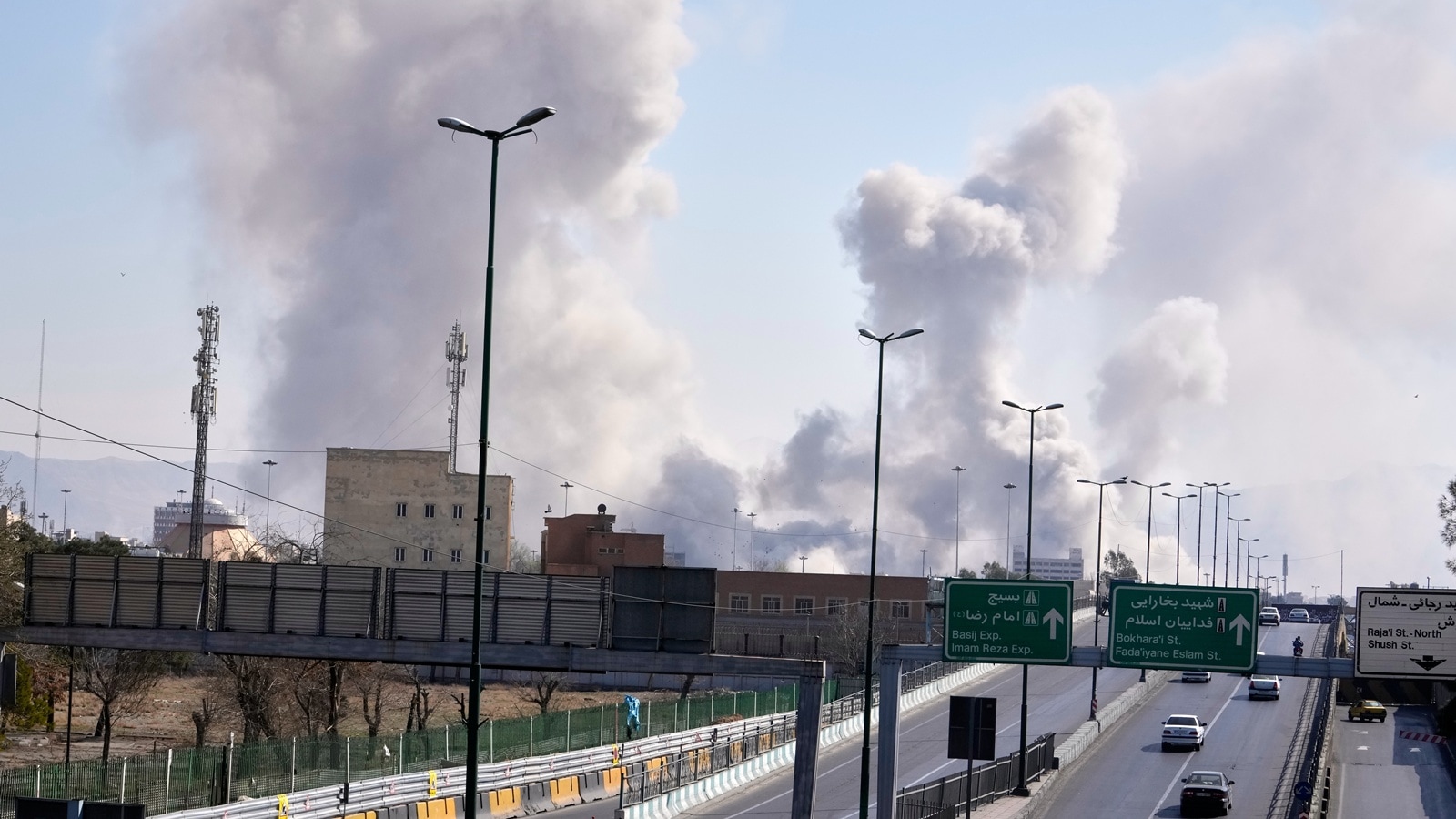
In contrast, destruction within Iran has been extensive. More than 800 people have been killed, over 2,000 military targets have been struck, 17 Iranian naval vessels have been sunk, including a warship in international waters off Sri Lanka. Analysts estimate that 50 per cent of Iran’s missile launchers have been destroyed. Will Iran attacking its Gulf neighbours result in the normalisation of their relations with Israel and the further expansion of the Trump-sponsored Abraham Accords? Past interventions in Libya, Iraq, and Afghanistan offer sobering reminders that military success does not translate into lasting political stability. The hope is that good sense will prevail to end the hostilities soon.
The writer is former governor of India to the International Atomic Energy Agency (IAEA), Vienna, and former ambassador to Egypt

