



3 min readMar 12, 2026 01:36 PM IST
First published on: Mar 12, 2026 at 01:36 PM IST
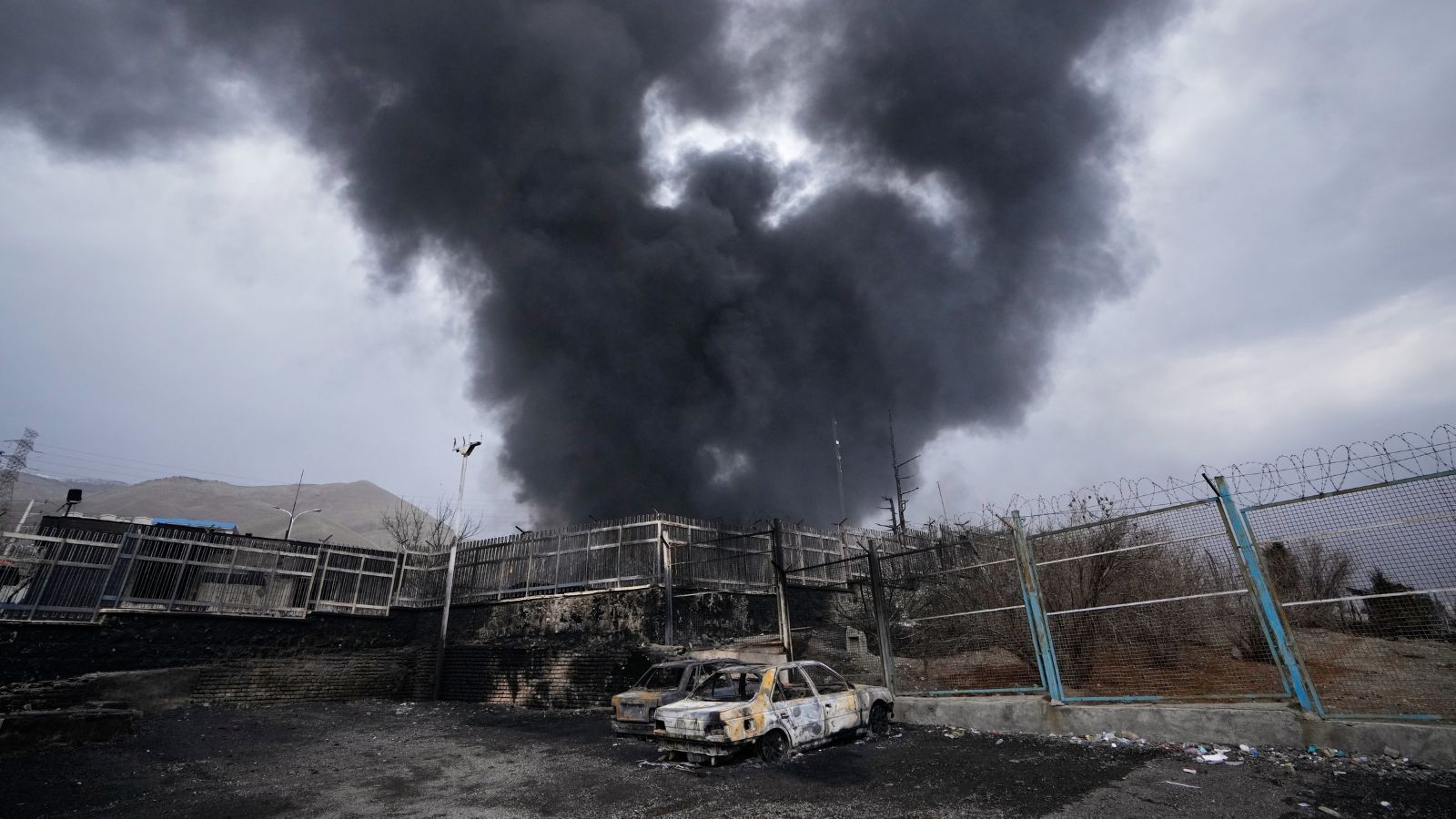
Tehran has black skies. Vast clouds of toxic smoke, the result of Israeli attacks on Iranian oil warehouses and refineries, are causing unprecedented acid rains. The smoke contains very high levels of sulphur dioxide, nitrogen oxides, hydrocarbons, polycyclic aromatic hydrocarbons (PAHs), and PM2.5, small particles of 2.5 microns or less in diameter, which, when combined with water vapour in the atmosphere, produce sulphuric acid and nitric acid with a pH level less than 5.6.
The consequences can be devastating. Acid rain depletes the soil of essential nutrients such as calcium and magnesium, weakening tree roots, damaging leaves, and eliminating species diversity in forests. Lakes and rivers become lifeless. When the oil wells of Kuwait were burning in 1991, thousands of hectares of land became completely barren.

For the 9 million inhabitants of Tehran, already suffering from chronic smog, this means a significant increase in asthma and bronchitis, doubling the risk of heart attacks, more babies with low birth weight, and an increased risk of lung cancer and other long-term illnesses. An outbreak of such diseases in a densely populated city can cause a public health crisis comparable to a pandemic.
The wind knows no boundaries. Many of these pollutants can be carried hundreds or even thousands of kilometres by prevailing winds. Middle Eastern dust has been known to traverse the Arabian Sea to impact India. Immediate neighbours to the east, such as Balochistan in Pakistan, will receive direct spillover. Afghanistan and Turkmenistan may be next. Strong jet streams have the potential to carry very fine particles towards the Indian states of Gujarat, Rajasthan or Punjab.
We have seen such effects of war before: Agent Orange over Vietnam. Heavy metals such as lead and mercury bioaccumulate, contaminating food chains and causing DNA damage, cancer, and infertility in succeeding generations. In the case of Iran, these effects will haunt generations to come, causing a human health and economic toll in the order of billions of dollars.
Iran needs immediate air surveillance, soil remediation, and health clinics. UNEP and WHO should urgently send teams to check levels of toxicity, and existing Geneva Conventions should be extended for eco-safeguards during war. India should improve vigilance at its borders with frequent and early warnings before the monsoon. Here’s an idea: a Climate Peace Fund to green reconstruction in war-torn areas and international prosecution of environmental crimes. It is only then that we can get back the skies after war.
Anjal Prakash teaches sustainability at Indian School of Business as Clinical Associate Professor (Research). He serves as a research director of Bharti Institute of Public Policy, a think tank within ISB. Prof Prakash has been an IPCC Author and has contributed to their reports for past decades

