



5 min readMar 20, 2026 12:27 PM IST
First published on: Mar 20, 2026 at 12:27 PM IST
Maritime “chokepoints” are narrow and practically unavoidable sea passages through which large volumes of global trade must pass. Because of the scale of traffic and structural dependency on the route, even a small disruption of these chokepoints can destabilise global supply chains, energy security, and even alter geopolitical dynamics. The ongoing US-Israeli War on Iran has demonstrated the debilitating consequences of disrupting such a maritime chokepoint, the Strait of Hormuz: Global energy supplies have been affected and prices have soared dramatically, impacting far and wide, including India.
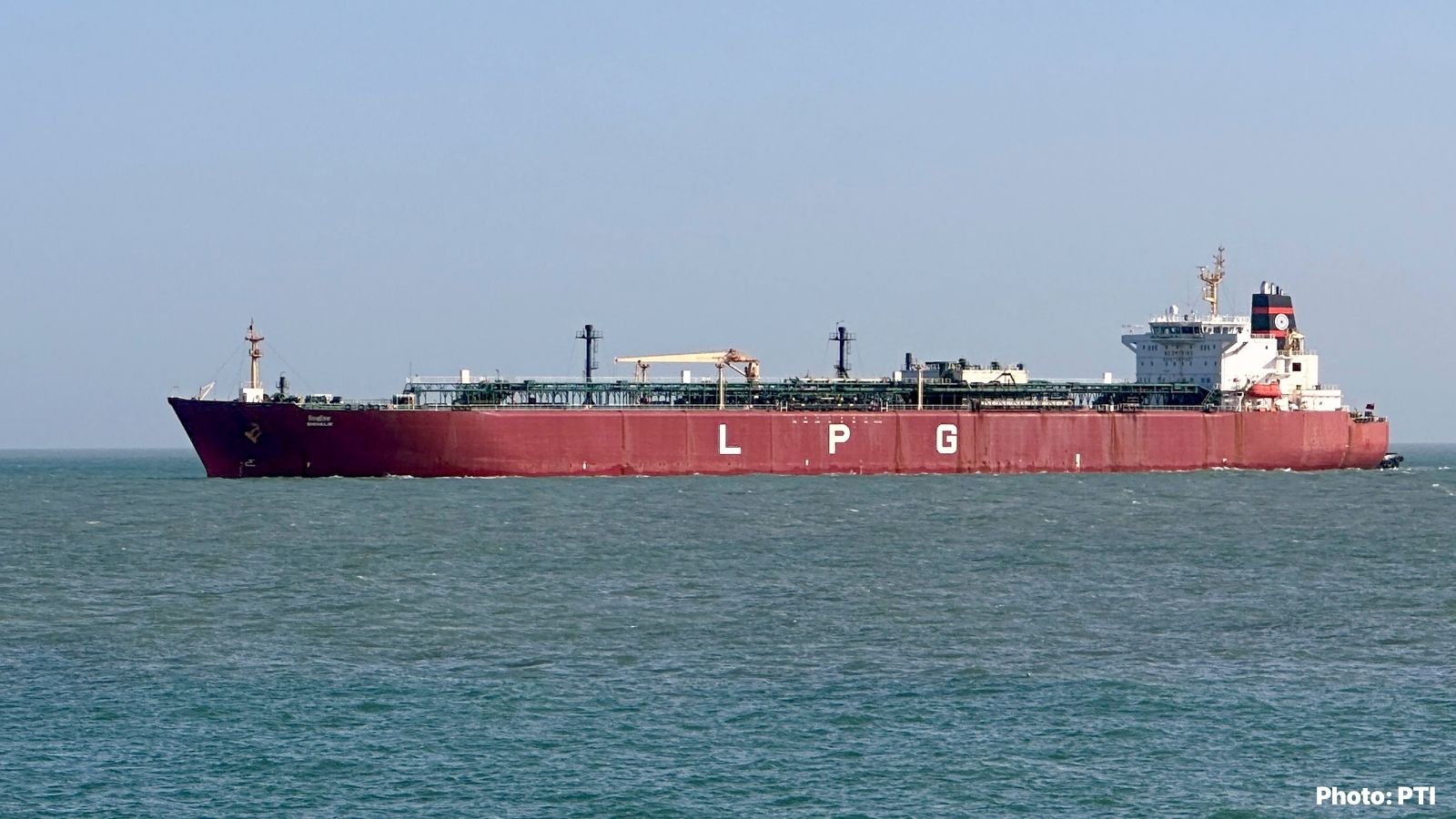
The Strait of Hormuz accounts for approximately a quarter of the world’s oil supply and liquefied natural gas from Gulf countries to global markets. For India specifically, nearly 50 per cent of its crude oil imports and more than 50 per cent of LNG imports (critical for domestic cooking gas supplies) pass through the Strait of Hormuz. From panic buying (including speculative buying), inflationary outcomes, long queues, to rationed supplies for commercial entities, the reality of chokepoint disruptions has started hitting hard.

The extremely narrow Strait of Hormuz (35–40 kilometres at its narrowest point), with only a few kilometres available for actual shipping lanes, is right under the nose of a currently belligerent Iran on the rebound. This has led to Iran making the Strait extremely susceptible to naval mines, drone and fast boat attacks, anti-ship missiles, etc., thereby disallowing a free-for-all passage.
Iran seeks to exert asymmetric and strategic pressure and force concessions with its “oil shock” strategy. No amount of naval wherewithal, even for a superpower like the United States, can ensure safe access through the Strait at the moment. While it is easier to hit conventional Iranian targets like its naval port at Bandar Abbas or even strike Iranian naval ships, the sheer utility of smaller and faster boats along with drone “swarm” tactics makes it impossible to conclusively counter the threat. With ship transit lines as close as three or four miles from Iranian shores, transiting ships have barely a few minutes to react to an Iranian attack. Already laid sea mines (some at surface level and others at more than 150 feet below sea level) make it a perennial threat.
Conversations about naval escorts to civilian energy tankers are thus futile. Such an escort facility, if ever deployed, will necessitate additional resourcing of air cover and aid defence systems. Earlier experience of far more organised “coalition” based naval escorts like off the Yemeni coast has shown the dangerous vulnerability at the hands of the rag-tag Houthi militia in crude contraptions. The sheer size of the Iranian coastline and the accompanying shore batteries make the challenge far more complex around the Hormuz. It has exposed the limitation of any distant “foreign” power to secure a distant and narrow chokepoint.
Many other militaries across the globe would be drawing their own lessons and inferences from the ongoing conflict to fine-tune their own preparation for similar maritime chokepoints. One such chokepoint is the even narrower Malacca Strait in the Indian Ocean that connects the Andaman Sea to the restive South China Sea. This is one of the busiest sea lanes in the world, with over 100,000 ships passing every year to account for nearly 30 per cent of the world’s traded goods. It fuels the “Chinese Dream” with its unending appetite for energy sources for its guzzling industrial-military complexes, and for facilitating reverse trade and commerce for “Made in China” purposes.
Critically, only India and Malaysia have the practical maritime real estate around this vulnerable Malacca Strait (as narrow as 1.5 nautical miles wide at the Phillip Channel). Worryingly for the Chinese, the mouth of the Malacca Strait opens perilously close to the southern tip of India’s Andaman and Nicobar Islands. Geographically, it is beyond the SOS reach of the Chinese mainland, and the Chinese Navy has not yet reached the classical “Blue Water” capabilities, which the US, with its multiple carrier-based flotilla, does have, yet is struggling in the Strait of Hormuz.
Adding to the spectre of a Chinese doomsday scenario is the presence of India’s Tri-Service Command at the Andaman and Nicobar Islands. This joint command is also undergoing sprucing and strengthening to add to its “bite” potential, and India has stitched together many interoperability naval exercises with ‘friendly’ (read, Sino-wary) nations in the Andaman Seas in a symbolic show of strength and intent.
The Chinese are past masters at watching and learning from global conflicts. They would have studied the previously enforced “chokes” in the Suez and now in the Strait of Hormuz, to acknowledge their own fears of an even more potent “choke” in the Malacca Strait. While the Chinese have been working overtime to create strategic petroleum reserves (SPR) and have started building oil pipelines, besides the mammoth Belt and Road Initiative (BRI), the present situation at the Strait of Hormuz would give the Chinese sleepless nights.
The Malacca Strait can be a strategic sweet spot for India, or the equivalent of what the Strait of Hormuz is for Iran, especially with China’s fabled String of Pearls ports, BRI, and arterial projects like the China-Pakistan Economic Corridor, undergoing various operational challenges.
The writer is a retired lieutenant-general and a former lieutenant-governor of the Andaman and Nicobar Islands and Puducherry

