



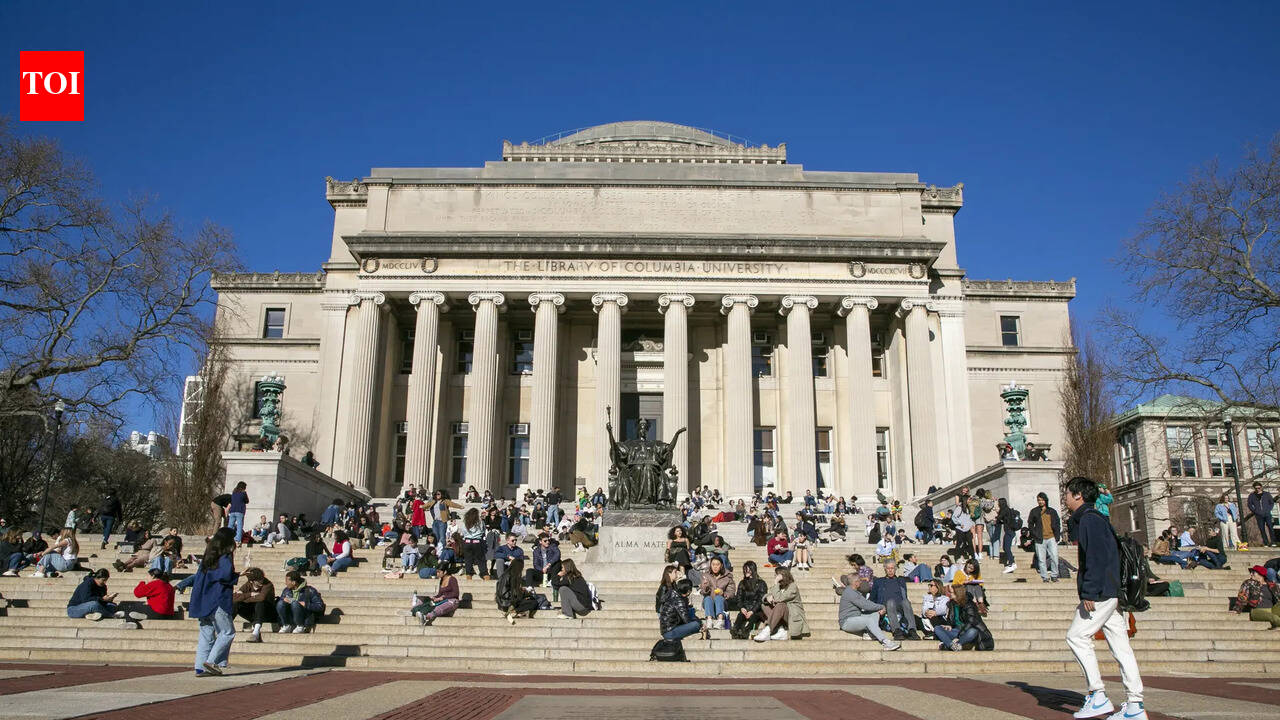
The Knight First Amendment Institute at Columbia University has launched a new research-driven initiative aimed at strengthening free expression at a time of heightened political and campus tensions. Titled “Reconstructing Free Expression,” the programme seeks to deepen understanding of First Amendment protections and explore how institutions can better safeguard democratic values.According to an original report by The Columbia Spectator, the initiative was announced on February 11 and comes after two years of protests and federal scrutiny that have intensified debate over free speech rights at Columbia University.
A research blueprint for rebuilding First Amendment protections
The initiative will bring together scholars from law, journalism and other disciplines to examine legislation and institutional practices related to the First Amendment. The work will culminate in public events and a final report offering recommendations for policymakers, universities and the broader public.Katy Glenn Bass, research director at the Institute, described the effort as a long-term reconstruction project rather than a reactive response to immediate controversies. She said the goal is to develop a “blueprint for reconstruction” that strengthens freedom of expression in a sustainable way.The first convening of scholars is scheduled for February 20, with a second meeting planned in May. Columbia faculty involved include David Pozen and Jamal Greene from the Law School, and Michael Schudson from the Journalism School.The Institute will also publish blog posts outlining scholars’ ideas in the coming weeks.
Legal battles over pro-Palestinian speech
The Institute has recently played an active role in legal challenges involving pro-Palestinian protesters and federal policy. As reported by The Columbia Spectator, in March 2025 the Institute filed a motion alongside the American Association of University Professors and the Middle East Studies Association to block what it described as an “ideological-deportation policy” targeting pro-Palestinian protesters.In September 2025, a federal judge ruled that the policy violated the First Amendment. The ruling marked a significant legal setback for the administration of Donald Trump in its handling of campus speech issues.The Institute later sought stronger judicial intervention. In January 2026, a federal judge blocked the administration from deporting noncitizen students or faculty for pro-Palestinian activity.In a public release, the Institute accused the administration of engaging in a “full-scale assault on First Amendment rights,” alleging that threats and legal pressure had created a climate of fear and self-censorship.
Campus climate under scrutiny
Concerns over free expression at Columbia have extended beyond courtroom battles. The Foundation for Individual Rights and Expression ranked Barnard College and Columbia near the bottom in its 2026 College Free Speech Rankings, placing them last and second-to-last, respectively.Student journalists and campus organizers have voiced concerns about their ability to express views freely amid political polarization and administrative pressures.Bass emphasised that the new initiative is intended for a broad audience, not just legal scholars. By identifying weaknesses in laws, institutional norms and enforcement mechanisms, the Institute hopes to make First Amendment protections more accessible and actionable.She argued that in several cases institutions might have prevailed legally if they had actively defended their rights. “The problem isn’t always that the First Amendment failed,” she said, “sometimes it’s that the people who could have fought for their rights chose not to.”The coming months will determine whether the initiative’s recommendations translate into concrete institutional and legislative reform.

