



3 min readMar 12, 2026 06:21 AM IST
First published on: Mar 12, 2026 at 06:21 AM IST
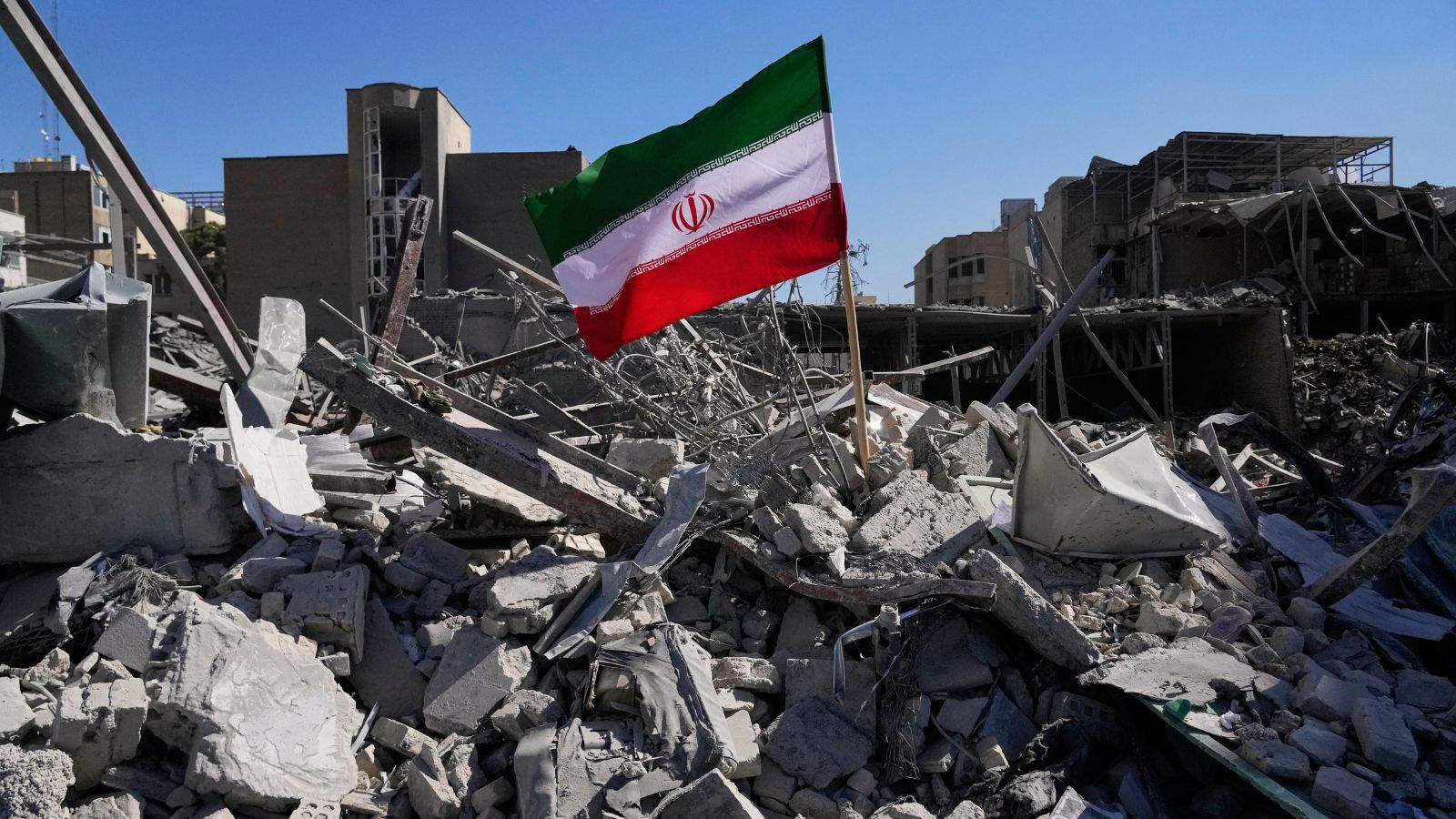
An editorial in this paper (‘US, Israel kill Iran’s leader, unleash new ghosts,’ March 2) claims that the latest attacks on Iran mark a decisive shift. But to my mind, they follow an old pattern: The US has never hesitated to topple regimes that pose geopolitical, ideological, or economic challenges to US hegemony and interests. There have been around 100 such interventions by the US — Iran (1953), Guatemala (1954), South Vietnam (1963), Chile (1973), Panama (1989), Afghanistan (2001), Iraq (2003) are just a few examples. The US is arguably the biggest violator of international law, and of Article 2(A) of the UN Charter, which prohibits the threat or use of force against the territorial integrity or political independence of any state. It has trampled upon the principle of sovereignty and the sovereign equality of states through unilateral military intervention, political interference, economic coercion/blockades/tariff wars, and extrajudicial actions. The abduction of the president of Venezuela and the assassination of Iran’s leadership are only the most recent excesses. The US has arguably been operating outside the rules-based order, undermining its own credibility as the leader of the democratic world.
Similarly, the claim that “few tears will be shed for Khamenei” is only half true. While the Iranian regime was losing popular legitimacy, the fact that it could overcome this proves its deep roots and support among the military establishment and certain sections of society. US action may well give it a new lease of life. What is often described as a “rally ’round the flag” phenomenon allows leaders to shift public focus from domestic failures to national survival. While losses in war can sometimes lead to political upheaval, they provide unpopular governments with (if temporary) legitimacy based on patriotism. The regime can control the narrative and convince people to set aside divisions to unite against the “external enemy”. It gains a pretext to suppress dissent, consolidate power and undermine democratic freedoms. One should also keep in mind the fact that Iran is among the oldest civilisational states and Iranians are proud of this legacy. US President Donald Trump seems to have no grasp of this. The editorials in the last 10 days have not adequately addressed these nuances.

For India, there are several constraints on how it can react to the conflict: Energy security/dependency, over 10 million Indians in the Gulf, and delicate ties with the Trump administration. But Iran is vital to India, too. The International North–South Transport Corridor and the Chabahar port are important for connectivity with Afghanistan, Central Asia, and the wider Eurasian region. India’s position as a leader of the Global South will also be questioned if it can’t take a position congruent with the principle of strategic autonomy. We cannot be seen as bending to US and Israeli pressure. The condolence message after the death of Ayatollah Khamenei should have been prompt. Similarly, we should have responded more decisively to the sinking of IRIS Dena. In view of the upcoming BRICS Summit, we must come out of the “stuck in the middle dilemma” and take a clear position.
The writer is professor, School of International Studies, JNU

