



“Between the funeral fire and the mental worry, it is the mental worry which is more devastating. While the funeral fire burns only the dead body, the mental worry burns the living one.”

The Supreme Court recently invoked this poignant observation while permitting the withdrawal of life-sustaining treatment for a young man who had remained in a persistent vegetative state for more than 13 years. The decision reaffirmed an important constitutional principle: The right to die with dignity is an integral part of the right to life under Article 21. Yet the case also highlights a persistent institutional gap — India still lacks a comprehensive legal framework governing end-of-life care.
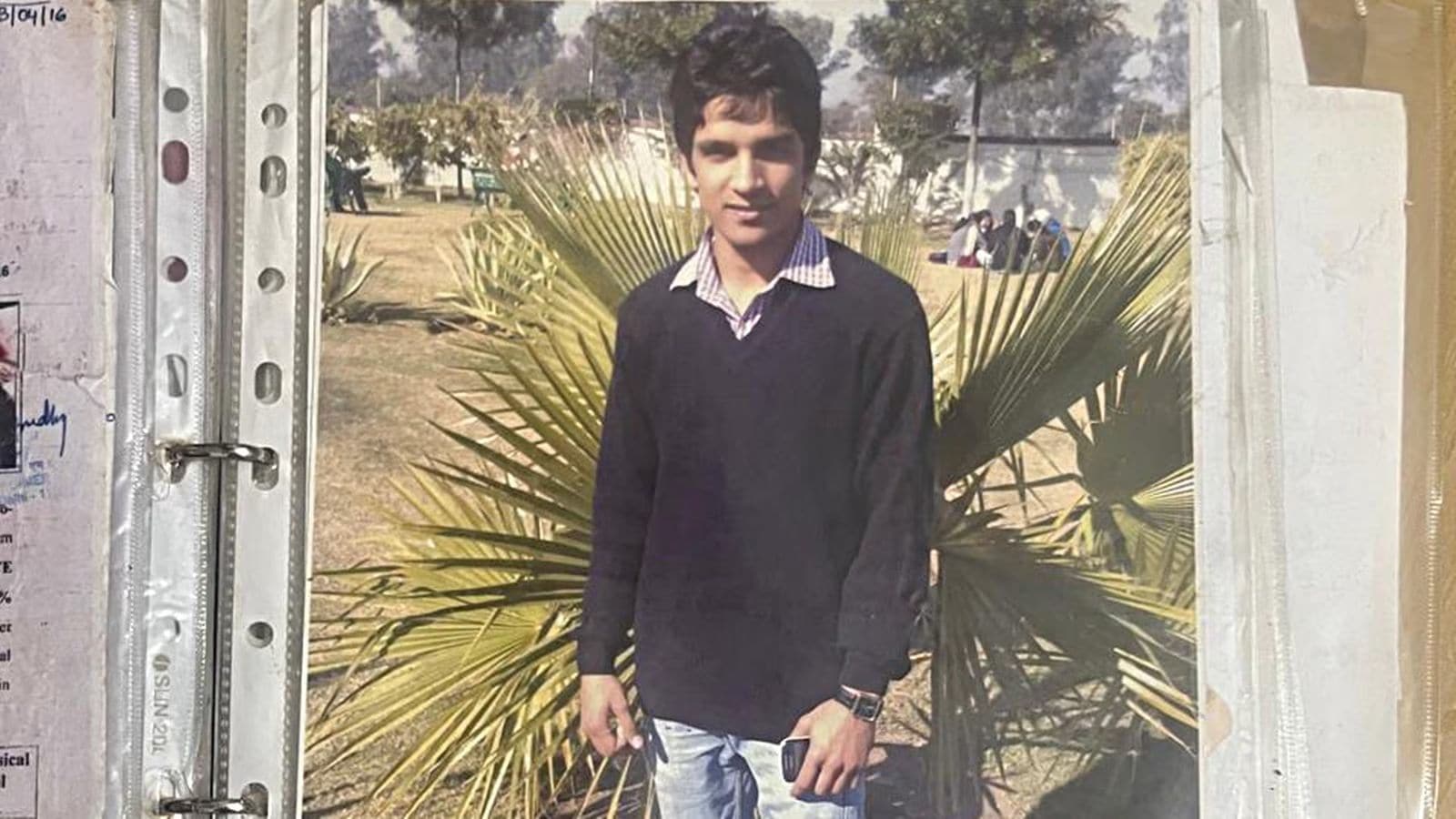
The case concerned Harish Rana, a B.Tech student who suffered a severe brain injury after falling from the fourth floor of his hostel building. Since the accident, he had been sustained only through artificial nutrition and hydration administered through a feeding tube. Medical boards constituted in accordance with the Supreme Court’s guidelines concluded that continued treatment merely prolonged biological survival and offered no realistic possibility of neurological recovery. Acting on these findings, the Court permitted withdrawal of life support.
This decision is part of a longer constitutional journey. The debate on passive euthanasia first entered the legal landscape in the Aruna Shanbaug case in 2011, where the Supreme Court recognised the legality of passive euthanasia under limited conditions and laid down procedural safeguards. The principle was later strengthened in the landmark Common Cause v. Union of India judgment in 2018, where a Constitution Bench held that individuals have the right to refuse medical treatment and may record their wishes through advance medical directives, commonly known as living wills. In 2023, the Court simplified the procedure further in response to concerns raised by medical practitioners.
A living will, or advance medical directive, allows a competent adult to record in writing the circumstances in which life-sustaining treatment should be withheld or withdrawn. The document must be signed in the presence of two witnesses and attested by a notary or gazetted officer and submitted to, and registered with, custodians. It may also be incorporated into the patient’s digital health records so that doctors can verify and implement it if the person later becomes incapable of expressing their wishes.
Despite these judicial developments, the legal framework governing end-of-life decisions remains incomplete. The Supreme Court itself has repeatedly emphasised that its guidelines are interim measures, meant to operate until Parliament enacts comprehensive legislation. Yet years after the government indicated that such a law was under consideration, India continues to rely largely on court-crafted procedures.
This legislative silence has tangible consequences. Decisions about continuing or withdrawing life-sustaining treatment often arise in emotionally charged circumstances. Families must grapple with uncertainty and moral anguish, while doctors face the risk of legal liability. In the absence of statutory clarity, physicians may hesitate to act even when medical consensus considers further treatment futile.
Recent guidelines issued by the Ministry of Health and Family Welfare seek to operationalise the Supreme Court’s directives by prescribing the constitution of medical boards and formal documentation of patient wishes or family consent. While these steps represent progress, their implementation remains uneven.
One gap concerns the institutional architecture envisioned by the Court itself. The 2023 clarification requires local authorities such as municipal bodies or panchayats to designate officials who will act as custodians of advance medical directives. These custodians are meant to maintain records so that hospitals and physicians can verify a patient’s wishes when required. In practice, however, many States have yet to appoint such custodians or establish a registration mechanism for living wills. The result is a system that exists on paper but is difficult to implement in real clinical settings.
Equally important is the need for a nationally accessible digital registry of living wills. Advance directives serve their purpose only if they can be located at the critical moment. A person may execute a living will in one state but require treatment in another city years later. Without a centralised and interoperable database, doctors and hospitals may have no practical way of accessing the document when it matters most. Integrating advance directives into a nationwide digital health registry would ensure that a patient’s end-of-life preferences can be securely accessed by authorised medical professionals anywhere in the country.
Another concern relates to the lack of explicit legal protection for doctors acting in good faith. Medical practitioners involved in withdrawing life-sustaining treatment remain vulnerable to allegations of negligence or criminal liability. Without statutory safeguards, many doctors understandably adopt a cautious approach even when continued treatment serves no therapeutic purpose.
Public awareness is also limited. The idea of recording one’s end-of-life wishes remains unfamiliar to most people in India. Many patients and families are unaware that such a legal option exists. Even within the medical profession, familiarity with the procedural framework varies widely.
Equally important is the integration of palliative and end-of-life care into the legal framework. Withdrawal of life-sustaining treatment does not mean abandonment of care. Rather, it must be accompanied by pain relief, psychological support and compassionate clinical attention that preserves dignity in a patient’s final moments.
Ultimately, the debate on passive euthanasia is not merely about medical procedure or legal doctrine. It concerns how a society respects human dignity at the most vulnerable stage of life. The Supreme Court has taken significant steps in recognising this constitutional value and crafting interim safeguards. But courts alone cannot create a complete regulatory framework.
The time has come for Parliament to enact a comprehensive end-of-life care law that codifies existing safeguards while addressing practical gaps in implementation. Such legislation should clarify procedures, protect doctors acting in good faith, strengthen palliative care systems, and establish reliable systems for registering and accessing advance medical directives.
Until then, the promise of a dignified death will continue to depend on a fragile mix of judicial guidelines and administrative instructions. The constitutional principle is clear. What remains missing is the legislative resolve to translate that principle into a humane and workable legal framework.
Raut is assistant professor at National Law University, Mumbai and co-petitioner to the PIL that led to appointment of custodians for Advance Medical Directives in Maharashtra. Dongre is a research intern at Supreme Court of India

