



4 min readApr 11, 2026 06:46 AM IST
First published on: Apr 11, 2026 at 06:46 AM IST
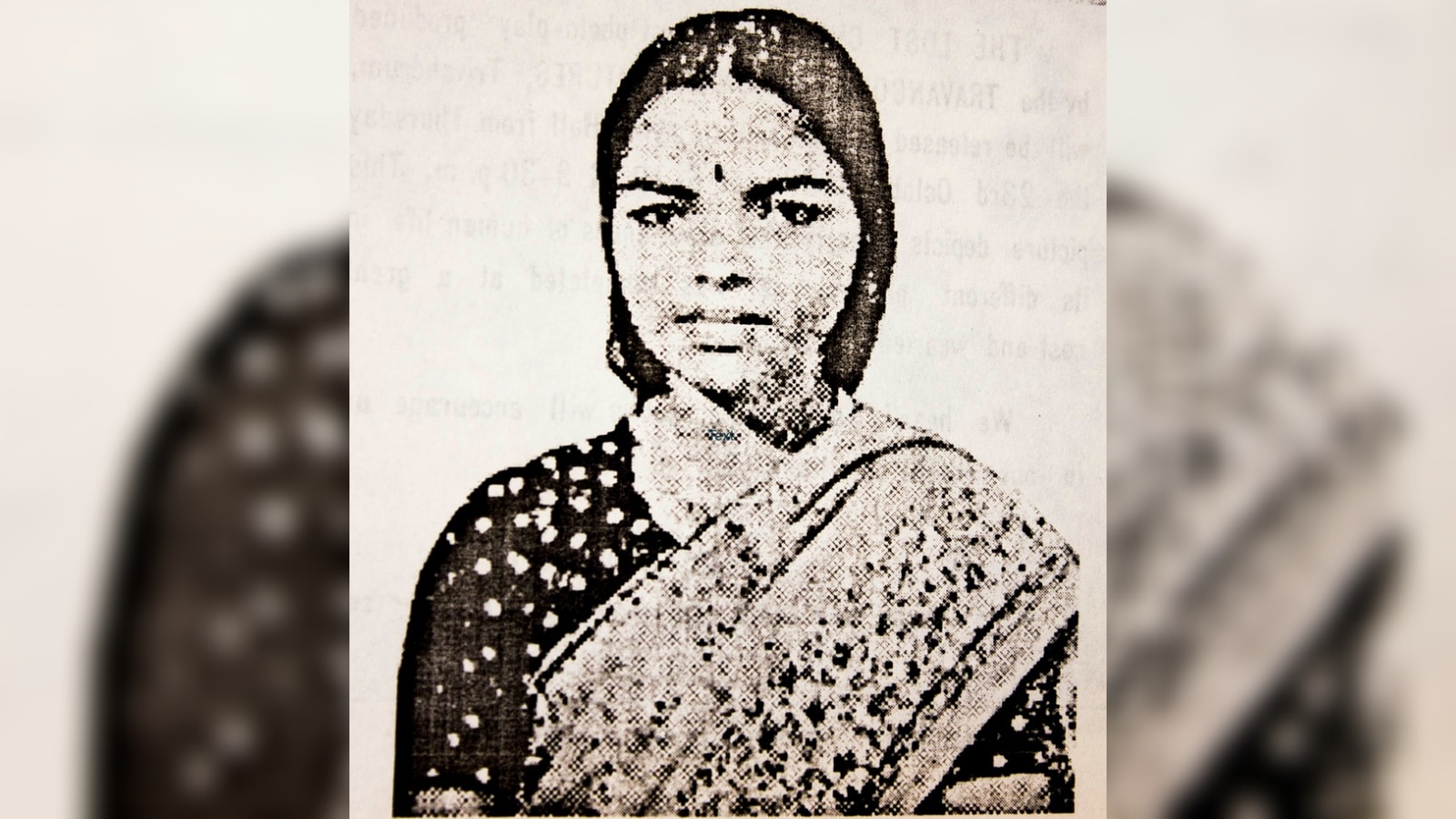
A film festival named after P K Rosy, as part of the Vaanam Art Festival in Chennai, might seem like just another cultural event. It is not. It is a statement, about memory, caste, and who gets to be seen. Rosy’s story sits at the uneasy beginning of Indian cinema. A Dalit woman from Kerala, she acted in Vigathakumaran, the first Malayalam feature film, in the late 1920s. Her role should have marked a breakthrough. Instead, it triggered outrage. Her “crime” was playing an “upper-caste” woman. Theatres were attacked. Her house was burned. She disappeared from public life and lived the rest of her years under another name. The erasure reveals something fundamental about Indian cinema. It has never just been about storytelling. It has always been about who is allowed to appear, and under what conditions.
Nearly a century later, cinema has grown in scale and ambition. It occasionally engages with caste, even critiques it. But the Dalit woman is still largely absent, not just in numbers, but in perspective. She appears sporadically, often filtered through someone else’s gaze, rarely as a subject who defines her own story.

This is why the P K Rosy Film Festival matters. Launched by filmmaker Pa Ranjith’s Neelam Culture Centre, it is part of a larger effort to build cultural spaces that do not wait for mainstream validation. Naming it after Rosy is an act of correction, restoring her to the centre of a history that pushed her out. It brings together films that engage directly with caste, labour, land, gender, and resistance. It creates a space where Dalit lives are central narratives. Mainstream cinema often absorbs dissent slowly and selectively. It makes space, but within limits. Festivals like this allow stories to exist without being softened or made palatable.
Across the world, there is a shift towards centring Dalit and marginalised voices in cinema, not as subjects of study, but as creators. From New York to Nottingham to London, Dalit-Adivasi film festivals are forging a transnational network that places caste firmly within conversations on race and justice.
At the same time, this moment draws from a longer history of cultural assertion. The Women in Cinema Collective in Kerala, for instance, established the P K Rosy Film Society in 2019 to foreground feminist and marginalised cinema. These efforts recognise something essential: Representation alone is not enough. There must be spaces that sustain and circulate these voices.
All of this makes the timing of the P K Rosy Film Festival especially significant. Held every April, it coincides with Dalit History Month and the birth month of B R Ambedkar and Jyotirao Phule. And yet, the need for such spaces reveals a continuing failure. Nearly a century after Rosy’s debut, mainstream institutions remain hesitant to fully acknowledge her legacy.
That gap, between acknowledgement and transformation, is where this festival intervenes. It refuses to let Rosy remain a footnote. It insists that her story is not just about the past, but about the future of cinema. And it asks a difficult question: What would Indian cinema look like if those once excluded were not just included, but centred? For a few days in Chennai, that answer begins to take shape.
Bunkar is a researcher specialising in caste and cinema

