



4 min readMar 11, 2026 06:19 AM IST
First published on: Mar 11, 2026 at 06:19 AM IST
Nothing could ever happen here, right?” I look at my husband for reassurance on an evening walk, just a couple of minutes before the first missiles are intercepted in Dubai on the last day of February.
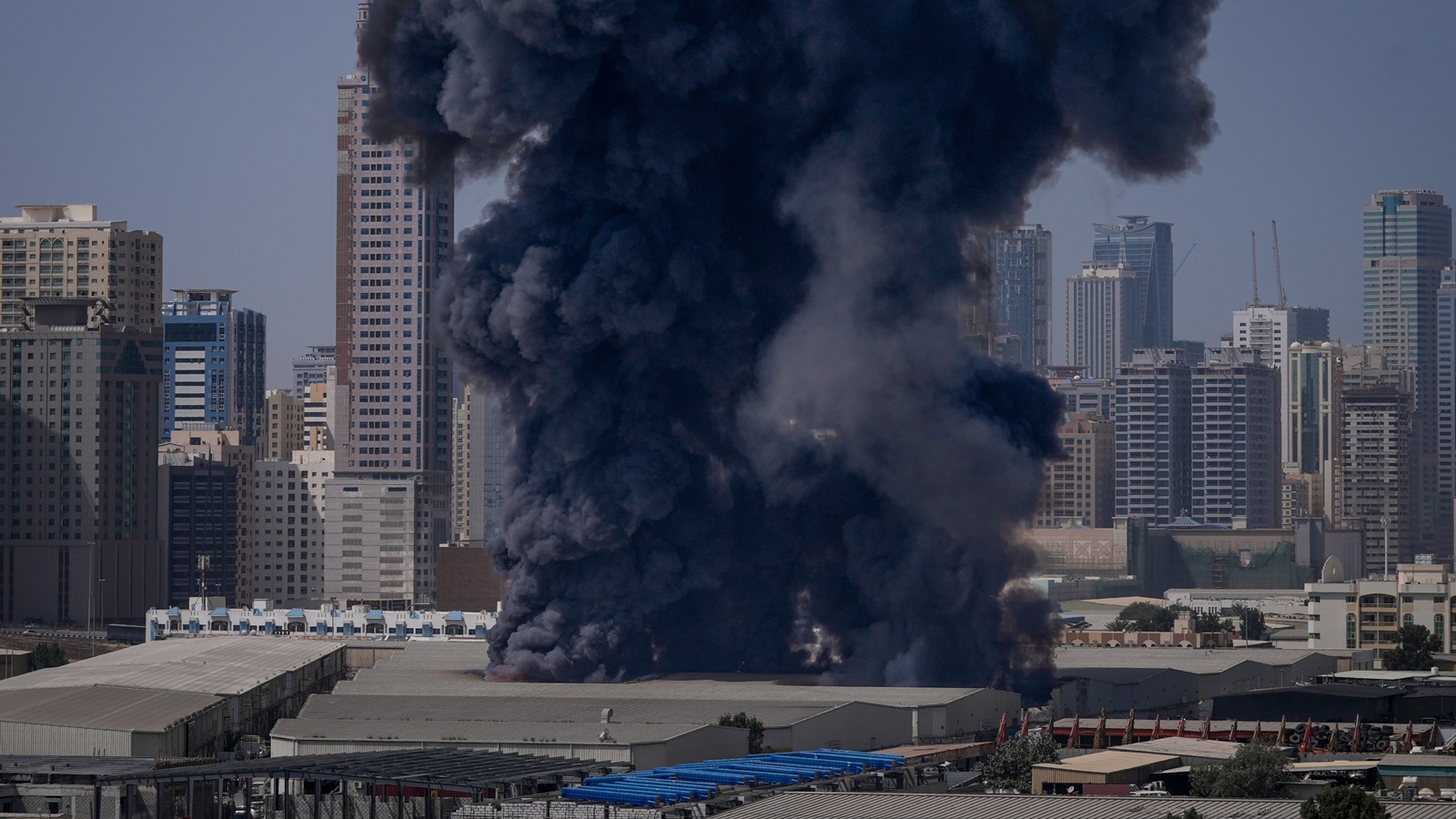
A few steps later, we hear a loud bang. Something has crashed into the Palm, a few kilometres away. Our children are in our apartment, high above. I break into a run, asking my husband to call our teenage daughter and wait for them in case they rush downstairs. I reach our apartment and there is no one. The television is still playing Gabby’s Dollhouse, my seven-year-old daughter’s favourite. Her snack lies half eaten. A thick black plume of smoke is visible from the balcony. I wonder what my kids saw, where they are. My husband texts to say they are downstairs, the older one shepherding the younger to safety. I head back down the elevator, and it stops at every floor, full of people trying to evacuate. They are respectful of each other, bound not by a common language or nationality but an implicit trust in their host country.

“Dubai: The best city in India” goes the saying. It has always felt less “phoren” than anywhere else to us. The image of a glitzy billionaire city is superficial. Millions of hard-working people of all nationalities call it home, making a better life for their families. Pharmacists. Security guards. Nurses. Hotel staff. Many have escaped unsafe situations in their home countries. I will never forget the teenage Ukrainian boy in the elevator, sobbing when others were shellshocked. He has heard these things before.
Along with a couple of stranded friends, we take shelter with a family who live in a less crowded area. My children need reassurance. My friends call their families frantically. We find that deliveries are still running. A forgotten charger, toothbrushes, medicines, all reach us at our doorstep. Exhausted, we spend a fitful night pierced by siren-like emergency phone alerts.
The confidence and preparedness the UAE has displayed during an unprecedented situation should be studied as a model. There is calm and order on the ground. The leadership is visible in public places and text alerts arrive regularly. Videos circulate explaining to kids what the loud booms in the air are, and there is a sense of care for all residents and tourists.
A routine sets in almost immediately, my housemates and I recall the early days of Covid. Walks in the neighbourhood. Searching the news. A visit to the park with my younger daughter, where children inform each other authoritatively about when and where the next missile interception will be. A birthday celebration for my stranded friend at a restaurant. Reassuring family.
Some friends begin to leave, though an equal number elect to remain. One of my dearest childhood buddies (20 years in Dubai, a successful business built from scratch) chooses to stay, along with his French wife and three young children. I ask him why. He says his work continues as usual, and that he distinguished between fear and danger in making that decision. For many nationalities, the UAE continues to be a safe haven. A Syrian friend worries about his family stranded in Lebanon, moving from village to village for safety every night.
A few days later, flights restart and we return. A ghost airport, yet somehow completely operational. The phone siren rings: An incoming missile threat. We are at the gate with hundreds waiting to board. Another alert arrives, just 30 minutes later, reassuring all that they are safe. The entire room breaks into applause. Back in Delhi, we try to settle back into a routine. I walk in Lodhi Gardens, jumping out of my skin when a balloon bursts at a birthday picnic, and I try to remind myself once again of the difference between fear and danger.
Sibal is the author of Equations (2021)

