



3 min readMar 6, 2026 05:07 PM IST
First published on: Mar 6, 2026 at 05:07 PM IST
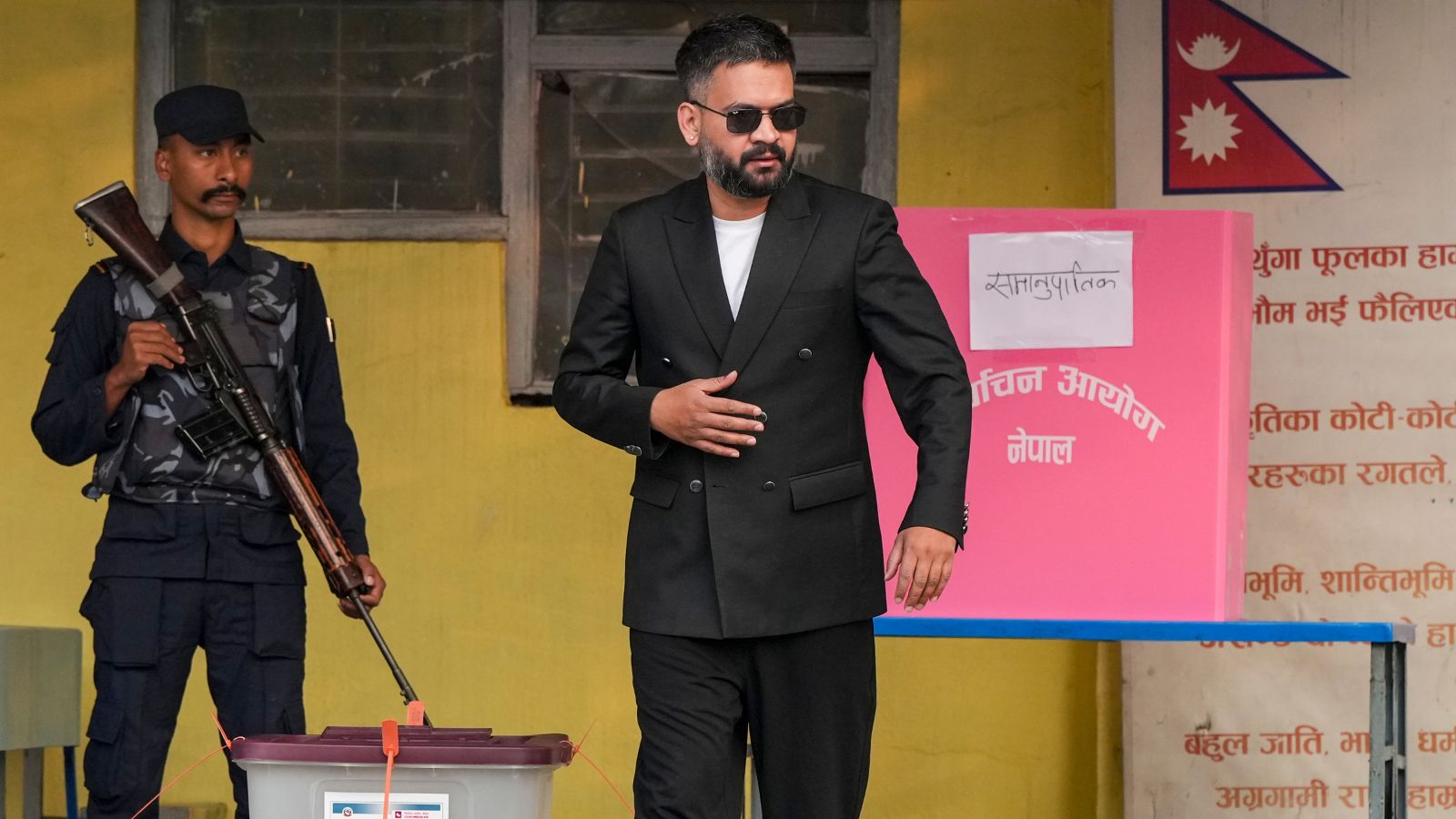
The elections in Nepal are being conducted successfully and peacefully after last year’s major Gen Z–led protests, which toppled the K P Sharma Oli government. The Nepalese interim government’s Prime Minister, Sushila Karki, has stated, “We will try for a quick handover because youths have huge expectations of the new government.” As per Nepal’s Election Commission, 60 per cent of the 19 million registered voters exercised their right to vote. The issues on which the elections were contested were the same as those raised during last year’s protests: Corruption, unemployment, inequality, and economic stagnation.
The total number of seats in the Nepalese Parliament is 275, out of which Nepalese voters directly elect 165 members of the House of Representatives, which is the lower house of Parliament, while the remaining 110 seats are decided as per the proportional representation system. Under this, the political parties nominate lawmakers according to each party’s vote share.

As per data available from the counting, the Rastriya Swatantra Party’s (RSP) Balendra Shah (an ex-rapper turned politician) was ahead in 90 seats. The party was founded three years ago. As per other reports, Oli’s Communist Party of Nepal (Unified Marxist-Leninist — UML) was leading in four seats, while the Nepali Congress, which is one of the oldest political parties, was leading in six seats.
The initial trend hints at the fact that the Nepalese electorate is very optimistic about the future of the country under the leadership of the RSP, while clearly showing their disillusionment with the old leadership. Constant leadership shuffling paralysed the country’s development. The people were also disappointed by constant coalition governments, and thus, it seems that the RSP may receive a clear mandate to govern. The indicators of a majority vote for one party also indicate the desire of the Nepalese people for political stability. The cynicism against the older leaders is quite apparent in recent elections, and the age factor is clearly in Shah’s favour.
Nepal is the third country in South Asia to undergo elections following major domestic turmoil. The election results in Sri Lanka also hinted at a major change in the political dynamics of the older parties and served as a wake-up call to get over the existing inertia. Colombo has successfully managed to put in place a stable government. Recently, the region also witnessed elections in Bangladesh after the ouster of Sheikh Hasina. All three nations have similar challenges of corruption, inequality, as well as unemployment. The new leadership in Sri Lanka and Bangladesh won elections on the promise of addressing these issues.
Given that the older leaders in Nepal are embroiled in corruption scandals, the new leadership will have to build a narrative of clean governance. Stagnant growth will need major focus, and Nepal may have to work towards revisiting its long-term foreign and domestic policies to reverse the disconnect with the younger population. The global and regional environment also poses a challenge for the new government. The question remains whether Gen Z will need patience and commitment to see these changes through.
The writer is Associate Professor, O P Jindal Global University

