



5 min readFeb 16, 2026 12:14 PM IST
First published on: Feb 16, 2026 at 12:14 PM IST
In 2017, a select group of higher education institutions was designated as “Institutions of Eminence” by the University Grants Commission (UGC). This recognition was supposed to make them eligible for more grants and autonomy compared to “ordinary” universities and colleges. The IITs of Delhi, Bombay, Kanpur, Madras, and Kharagpur, as well as the IIMs located in Ahmedabad, Bengaluru, Calcutta, Kozhikode, and Lucknow, secured this coveted tag. Delhi University and Hyderabad Central University are also part of this elite group. The list is not exhaustive. The education ministry promised an additional grant of Rs 1,000 crore in the next three years to make these institutions achieve global rankings with innovative research.
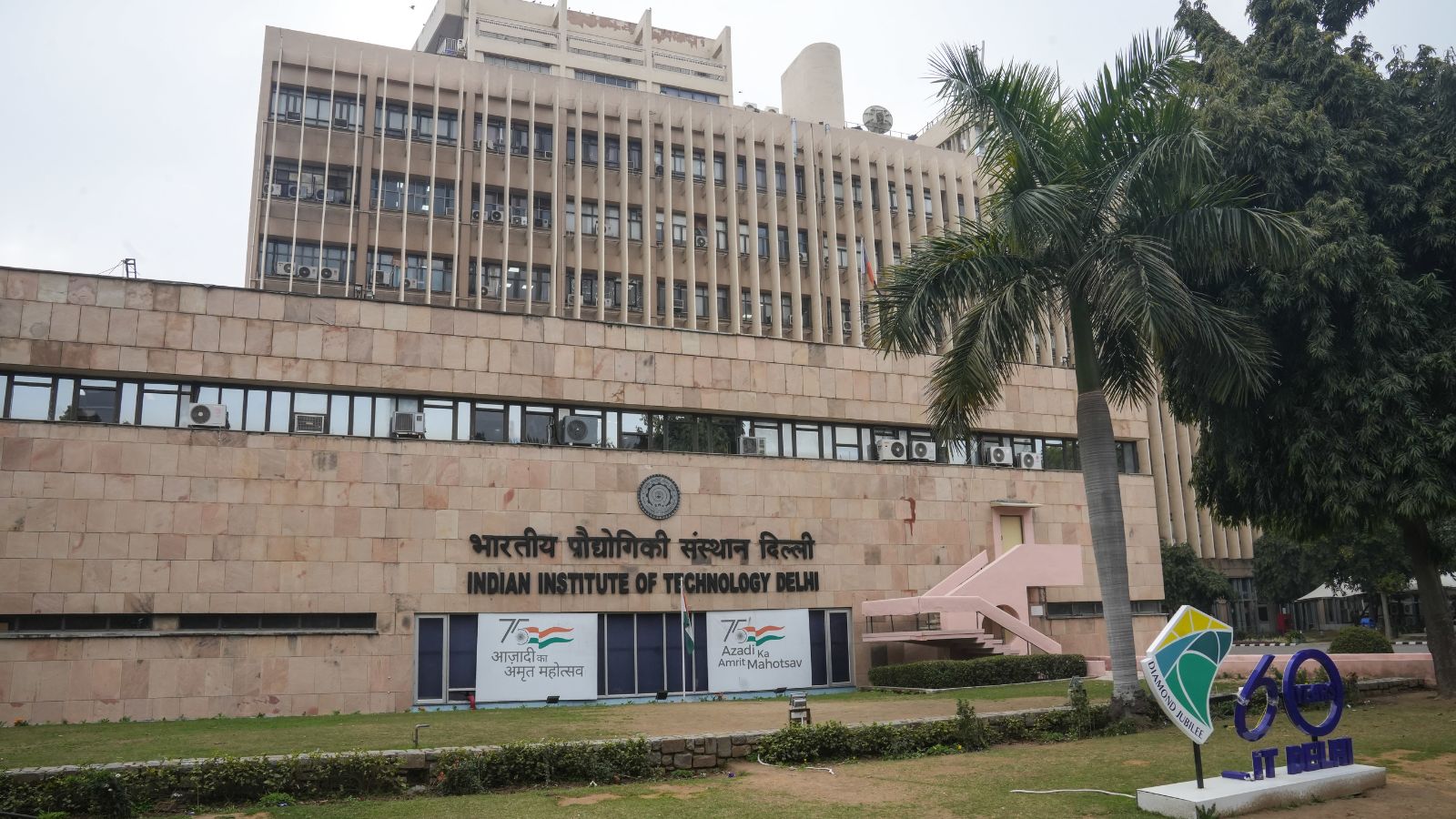
On the other hand, the cases of students dying by suicide went up drastically on these campuses. Though the recent equity regulations by UGC, passed under judicial pressure, aren’t specifically targeted at IITs and IIMs, the students from the marginalised groups lead extremely vulnerable lives in these eminent institutions. The data collected through RTIs speaks of systemic exclusion right from the hiring stage itself. Out of 1,093 sanctioned positions in IIT-Delhi, 563 unreserved faculty positions have been filled, whereas only 45 OBCs, 17 SC and 7 ST positions have been filled. In IIT-Guwahati, out of 743 sanctioned positions, 404 unreserved, 23 OBCs, 22 SCs and 5 ST positions have been filled. At the level of professors, SC and ST positions are vacant at IIT-Kanpur. Many institutions, however, do not provide data on how many reserved faculty positions have been filled.

The IIMs do not fare any better when it comes to faculty diversity. IIM-Ahmedabad and IIM-Mumbai didn’t respond to the RTI query on faculty recruitments. At IIM-Bangalore, there are a total of 120 sanctioned positions, out of which 94 are unreserved, 10 OBCs, 5 SCs and only one ST faculty. In IIM Kozhikode, 128 positions are sanctioned, out of which 84 are for the unreserved, 11 for OBCs, 3 for SCs and no ST faculty. Similarly, IIM-Indore has no faculty representation from the SC/ST community, and there are only 2 OBCs and 106 unreserved positions out of a total of 150 sanctioned faculty positions. Again, the data fails to specify at what level the faculty has been recruited.
The lack of inclusivity in faculty recruitment reflects the skewed nature of entrenched hierarchies in these institutions. When the education ministry issued directives to the IITs to implement reservation in the faculty positions, many IIT Directors came together to lambast such measures, claiming that academic merit would be diluted. On the other hand, students have continued alleging caste discrimination on campuses, which includes separate dining tables for vegetarian and non-vegetarian food, prejudiced assessment patterns and everyday “casteplaining”. In the past two decades, 150 IIT students committed suicide, with maximum cases being reported from Madras (26), Kanpur and Kharagpur (20 each), Guwahati (13), Delhi (11) and Mumbai (10). The majority of the students hail from the SC, ST and OBC communities.
This raises the question of who is accountable for these deaths. When the institutions make grandiose claims about meritocracy, global rankings, and cutting-edge scientific research, why is there a need for a National Task Force to investigate the well-being and happiness of students and other stakeholders on campuses? In the equity regulations, various measures were suggested, such as taking care of mental and physical health, counselling services, grievance redressal mechanisms like functional SC/ST cells, etc.
However, what is also crucial is starting a conversation on the politics of recognition and questioning entrenched privileges. We need to cultivate radical empathy beyond mere tokenism, like using AI-powered health monitoring tools as proposed by IIT-Kharagpur. It is hilarious that IIT-Delhi found it extremely objectionable and ordered an enquiry when its Department of Humanities and Social Sciences organised a conference of “Critical Philosophy of Caste and Race” in January 2026 to evaluate the gains of the World Conference against Racism, held at Durban in 2001. Do the IITs occupy a rarefied domain wherein the everyday realities of caste are non-existent? If so, should we assume that they have succeeded in annihilating caste?
The writer teaches at the Department of Political Science, University of Delhi. He is the author of Caste Discrimination and Exclusion in Indian Universities: A Critical Reflection. He thanks Kiran Kumar Goud for providing the data

