



4 min readMar 10, 2026 03:58 PM IST
First published on: Mar 10, 2026 at 03:58 PM IST
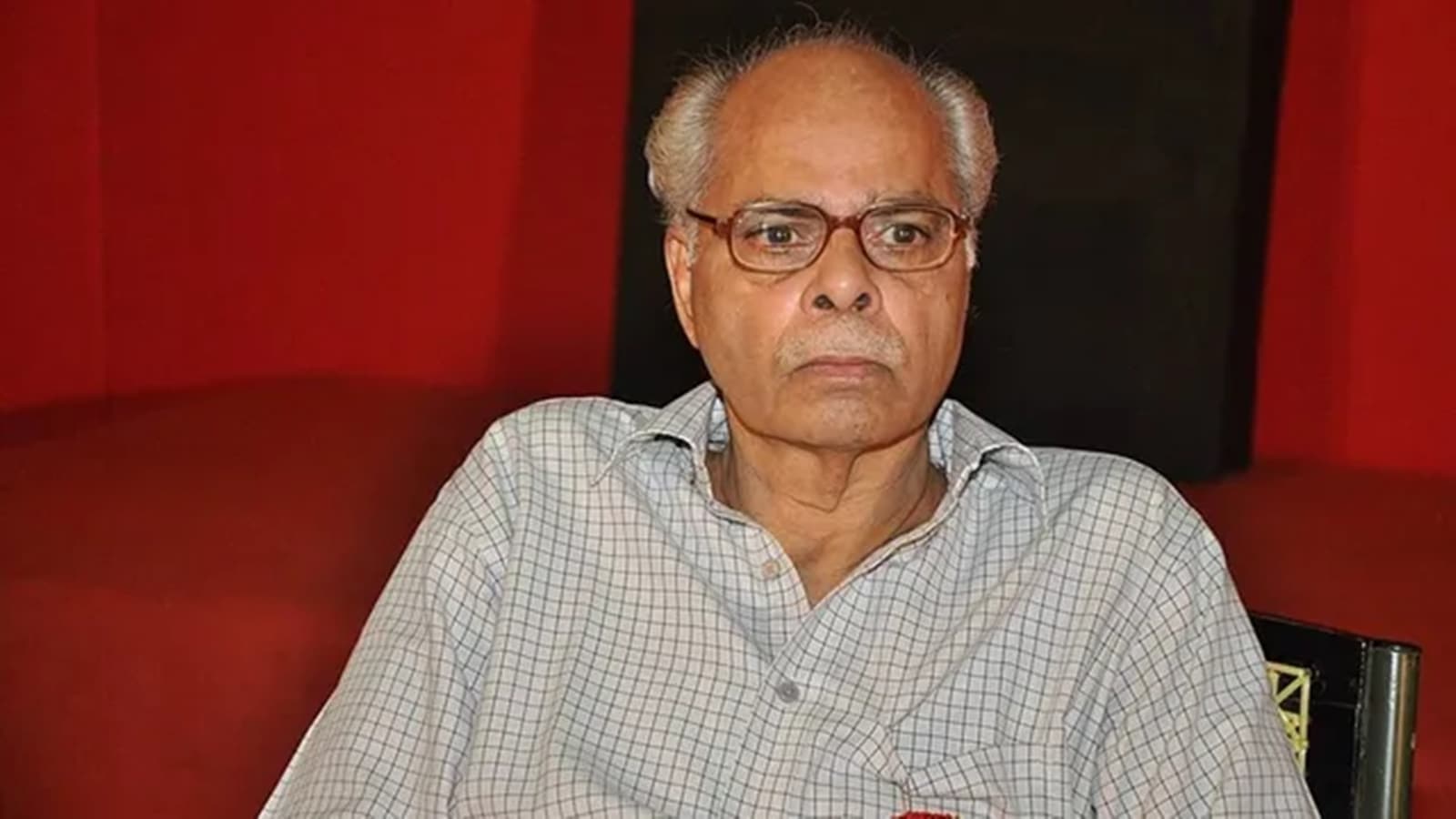
Twenty-seven years ago, when this writer was a student of Professor KN Panikkar at Jawaharlal Nehru University in New Delhi, the eminent historian asked him to read Arya Dharm, a seminal work on Punjab by Kenneth Jones, and discuss it with him. As is often the case when one is young, this writer had read about 280 out of the roughly 350 pages of the book when he went to discuss it with the late professor. Within minutes, Panikkar said, “You have read only about 280 pages. Read the full book and come back.”
This memory captures what Panikkar, who died this week aged 90 in Thiruvananthapuram, essentially was — a true intellectual with great rigour. He had a unique way of guiding his students. If one went to him with a topic, he would ask the student to first go to the library and make a bibliography of all the available books on it. He insisted on the student having the entire body of academic literature on the subject on her/his desk before starting the research. Good research, the professor would often say, begins with posing the right questions.

Panikkar taught the history of ideas and discussed 19th-century social reform. Here, rather than a typical Rammohun Roy, Vidyasagar or Dayanand Saraswati, his favourite was the lesser-known Akhsay Kumar Dutt, whom he saw as a rationalist and an atheist.
This writer’s first research experience with Panikkar began in January 1999, towards the final semester of the MA days. When asked if one could do a seminar paper on Vivekananda, he immediately said no, pointing out there wasn’t much that was new to say about him. Asked whether the Shuddhi movement of the Arya Samaj was a good topic, he nodded and asked for a detailed bibliography first.
Being a Marxist scholar, Panikkar himself was an atheist. He would never donate money for any religious festival. In his lectures, he would discuss Antonio Gramsci’s idea of “intellectuals” at length. In the first lecture of Panikkar’s that this writer attended, the professor asked who could be called intellectuals. Students speculated, assigning great knowledge to this nebulous category. He snapped back, “Are you trying to say that in this large city of Delhi, we in JNU are the intellectuals?” He then quoted Gramsci, “All men are intellectuals, but not all men in society have the function of intellectuals,” and went on to define a subtler category — organic intellectuals, or those who direct the ideas of the class to which they belong, distinct from traditional, professional intellectuals like professors and scientists.
Panikkar was also known for his sharp one-liners. Historian Yogesh Sharma recalls his sharp wit. When he once told Panikkar that he was “looking young”, he said that people took him to be much older than he was because of his baldness.
Panikkar would say in class that cricket and history are very similar, as spectators/non-practitioners pretend to know more about both than the practitioners themselves. Also, he would often say that Vivekananda was a Hindu universalist while Gandhi was a universalist Hindu.
For all his rigour, Panikkar was student-friendly. When this writer fractured a leg right in the middle of research for the paper, the usually fastidious professor was understanding and assured him medical situations call for sensitivity. His legacy endures – as does the stature that sat lightly on his shoulders.
The writer is deputy associate editor, The Indian Express. vikas.pathak@expressindia.com

