



4 min readMar 4, 2026 06:13 AM IST
First published on: Mar 4, 2026 at 06:13 AM IST
The spate of misinformation on the rollout of human papillomavirus (HPV) vaccination, as part of the national immunisation programme, reminds me of the saying, “every rationalist doubts, but not all doubts are rational”. What matters is whether we use doubt as a tool to eliminate bias or to amplify it. That distinction is the difference between using evidence to guide health policy versus cherry-picking fragments to promote conspiracy theories.
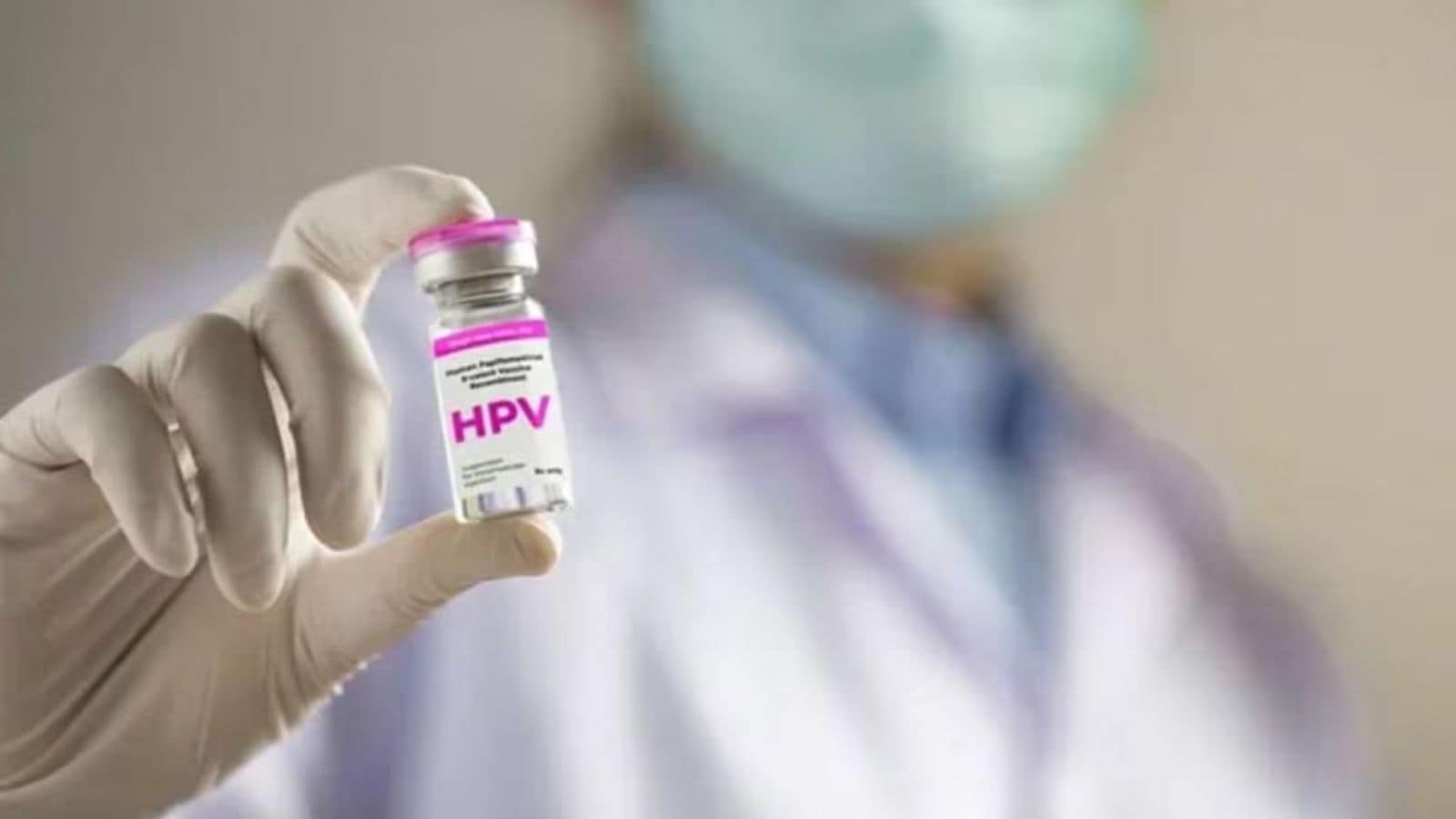
Let us first ask why virtually every major scientific body in the world — including ICMR and CDC — and about 160 countries, including almost every high-income nation, recommend HPV vaccination. HPV is responsible for an overwhelming majority of cervical cancers, in addition to a large proportion of anal, oropharyngeal, vulvar, vaginal and penile cancers. While men are at risk of HPV-mediated cancer, the risk is greatest for women. While some countries recommend vaccination for men, there is a near-universal consensus on vaccinating women.

India has one of the highest burdens of cervical cancer globally. The vaccines now in use, including Gardasil, part of India’s rollout, have been found to be effective in large trials and, more importantly, in real-world programmes involving tens of millions of adolescents across multiple countries.
These are not small pilot studies. These are population-scale interventions followed over years. The findings are consistently striking: Dramatic reduction in HPV infection and precancerous lesions, and, where sufficient time has elapsed, a decline in cervical cancer itself.
Now, let us consider the concerns. Some point to adverse events reported in earlier studies, particularly an Indian study in 2009 in which seven young women who had received the Gardasil vaccine died. The concern deserves examination, not dismissal. Indeed, it was thoroughly investigated, and the public report showed that while there were deficiencies in the trial, there was no evidence that vaccination led to these deaths. For the record, two deaths were due to poisoning, one drowning, and one was a confirmed case of cerebral malaria.
In any large trial, untoward events — including deaths — unrelated to the intervention will occur. The occurrence of an adverse incident after an intervention does not prove that it was caused by the intervention.
Science addresses this issue in a simple, yet rigorous manner: We compare the rate of events in those who received the intervention with those who did not (control). If a vaccine causes harm, the vaccinated group will show a statistically significant excess of that harm. While the 2009 study did not have a control arm, large trials (Future I, Future II, Patricia) and post-licensure surveillance for HPV vaccines, including Gardasil, have been conducted. Except for syncope, which is more common among adolescents after receiving any vaccine, there have been no confirmed adverse events occurring at higher than expected rates after HPV vaccination.
Reports of rare adverse events have been, and will continue to be, taken seriously. For example, HPV vaccination was temporarily stopped in Japan due to reports of pain or numbness. After extensive investigation, it became clear that this was not due to the vaccine and vaccination resumed in 2021. It is absolutely rational to demand an effective adverse effect monitoring system. However, to ignore a vast amount of high-quality evidence and give credence to isolated reports is irrational.
Another line of concern is about choice — whether giving a vaccine against a sexually transmitted infection to young girls is morally appropriate. These are legitimate social questions that merit examination. The HPV vaccination programme is offered, not imposed. Parents retain the right to forgo vaccination for their children. A preventive vaccine is ideally given before a high exposure risk. Administering the vaccine to those aged 9–14 is not an endorsement of sexual activity at that age; it is just a way to maximise the benefit of the shots.
India has the opportunity to prevent thousands of future cancers in young women. Every year that this vaccine is delayed is one in which real harm accrues. Scepticism strengthens science. Manufactured doubt weakens public health.
The writer is Dean, Trivedi School of Biosciences, Ashoka University. Views are personal.

