



4 min readFeb 28, 2026 07:39 PM IST
First published on: Feb 28, 2026 at 07:39 PM IST
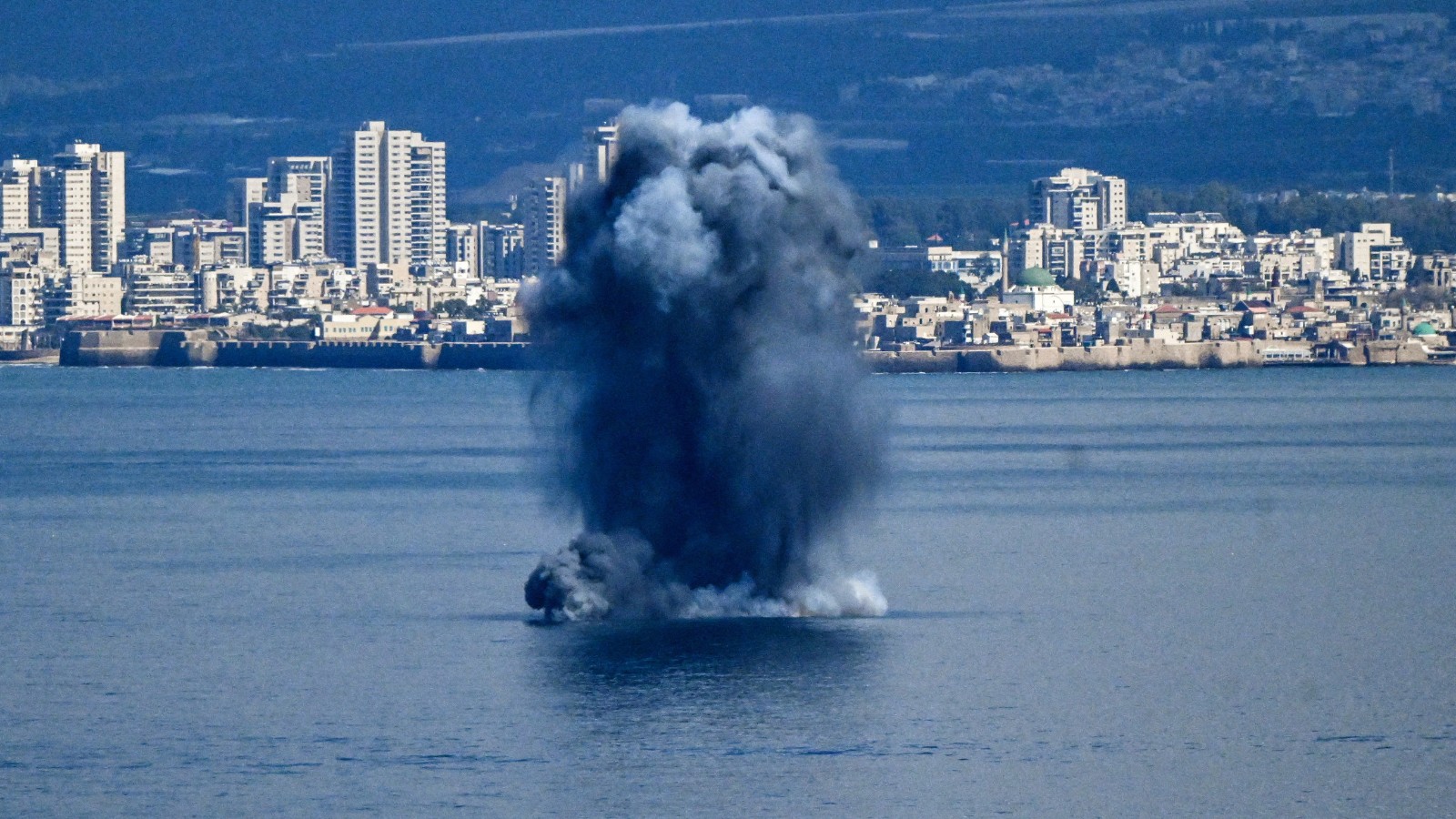
After weeks of mounting threats, the United States and Israel launched massive military strikes against Iran today, targeting military and defence installations as well as certain civilian infrastructure across multiple cities. This is the second attack on Iran in less than a year citing its nuclear programme as justification. The operation risks plunging the Middle East into a perilous new phase of confrontation, one that could significantly reshape the region’s geopolitical landscape. It also represents a serious setback to the prospects of a negotiated and peaceful resolution of the dispute over Tehran’s nuclear programme, particularly at a moment when a diplomatic breakthrough appeared within reach. The decision to resort to force rather than diplomacy raises profound strategic, geopolitical and legal questions.
President Donald Trump has cast the operation in sweeping, uncompromising terms, portraying it as a campaign to dismantle Iran’s missile industry, cripple its naval forces, uproot its regional proxy networks and permanently foreclose its path to nuclear armament. Israeli Prime Minister Benjamin Netanyahu has gone further, suggesting that the operation could help remove the Ayatollah-led regime and create conditions for “the brave Iranian people to take their destiny into their own hands”. Trump has likewise hinted at regime change, describing Iran’s leadership as a “radical dictatorship” that must be prevented from threatening US national security. His pledge to “raze their missile industry to the ground” underscores the expansive scope of the campaign.

However, it would be a strategic blunder for the United States and Israel to underestimate Iran. Although Tehran lacks their military capabilities and remains more vulnerable after the June strikes, it retains the capacity to inflict significant costs. It has already demonstrated its ability to respond with missile attacks targeting several Gulf states hosting US forces — including Qatar, Kuwait, the United Arab Emirates and Bahrain — and still possesses hundreds of missiles capable of striking Israeli territory. Iran could also seek to disrupt or close the Strait of Hormuz, a critical artery for global oil supplies, thereby escalating the conflict beyond the immediate battlefield. By expanding its retaliation and vowing to open the “gates of hell”, Tehran appears determined to increase the costs for Washington and its regional allies, hoping that heightened instability will pressure the US administration to halt the war.
While Iran has consistently maintained that its nuclear programme is exclusively peaceful, the United States and other Western powers have remained sceptical, suspecting Tehran of pursuing at least a latent weapons capability. Their concerns deepened after Trump withdrew from the 2015 nuclear agreement, prompting Iran to accelerate uranium enrichment and accumulate a substantial stockpile of near-weapons-grade material. Although Washington claimed that last June’s air strikes had significantly degraded Iran’s nuclear capacity — with Trump declaring the programme “obliterated” — he has since asserted that Tehran was attempting to rebuild it.
The strikes by the United States and Israel against Iran, like the June attack, are manifestly unlawful under international law. They constitute a clear violation of Article 2(4) of the United Nations Charter, which prohibits the use of force against the territorial integrity or political independence of any state. Neither country can plausibly invoke the right of self-defence under Article 51, as Iran had not launched an armed attack against them. There was no ongoing or imminent threat to justify anticipatory self-defence, nor credible evidence of an immediate nuclear danger. The strikes therefore lack any lawful basis under the Charter framework.
Striking a state when negotiations were underway, while invoking broad and transformative objectives, risks deepening regional instability, hardening Iran’s strategic calculus and weakening the post-World War II collective security order. Strategically, sustained pressure may harden rather than dilute Iran’s pursuit of deterrent capabilities, making non-proliferation more elusive. Military force can disrupt capabilities; it cannot resolve the underlying political distrust that fuels the crisis. The real test in the days ahead will not be the scale of destruction inflicted, but whether states can step back from escalation and restore diplomacy as the primary instrument for addressing proliferation and their security concerns.
The writer is dean, Faculty of International Studies, Aligarh Muslim University

