



6 min readMar 22, 2026 07:38 AM IST
First published on: Mar 22, 2026 at 06:20 AM IST
As I sat down to write this piece, pictures of a handsome young man appeared on social media with a noose on his chest where a medal should have been. His name was Saleh Mohammadi, he was nineteen years old and had won international prizes for his country in wrestling. He was executed by Iran’s despotic, merciless regime last week for publicly protesting their wicked deeds. His execution reminded me why I celebrated the assassination of Ayatollah Ali Khamenei and posted on ‘X’ that when evil men are killed, the world’s shadows become a little less dark for a moment.
My post evoked angry reactions from Muslim friends who argued that no matter how awful a regime, it should not be changed by military intervention from another country. I reminded them that thousands of Iranians had been shot dead in the streets earlier this year because they dared to defy the Islamist tyrants who have kept an iron grip on Iran for half a century. In democracies, angry protests can bring regime change. Not in theocracies when the rulers claim that Allah is on their team. I continue to believe that the world is a better place without the Ayatollah.

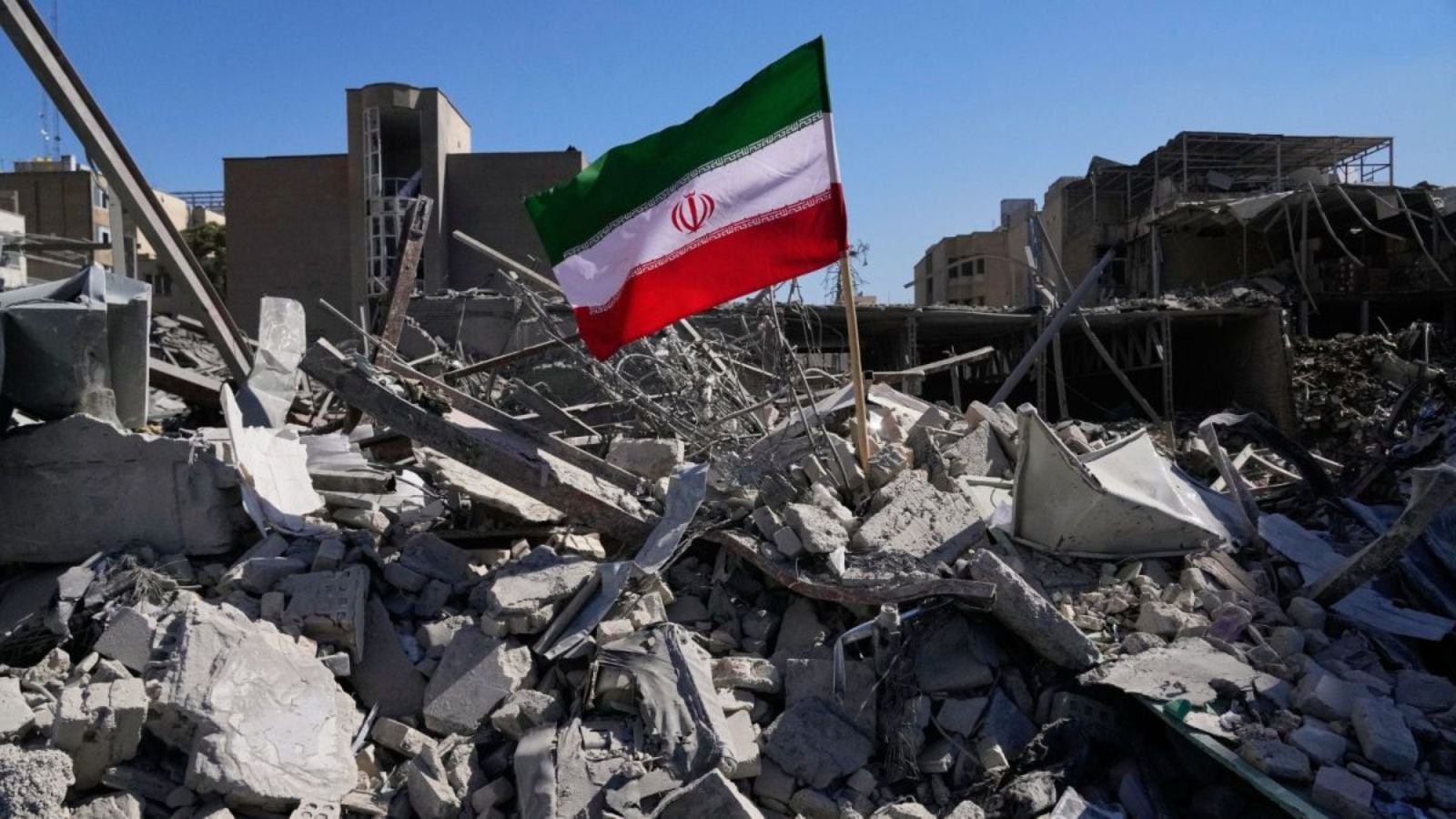
Now let’s talk about the war. It is not going well for the side that I believe India as a democracy should support. The United States and Israel have the most competent intelligence agencies in the world so why is it that they did not anticipate that Iran would use the Strait of Hormuz to defeat them? Donald Trump spends not a day without boasting about how the war has already been won but last week, he ranted and railed against his European allies for not helping him unblock this vital strait. Every time he castigated NATO for not coming to the aid of the United States, he inadvertently made clear that he was taken by surprise when Iran weaponised this vital waterway. Iran has also weaponised the energy sources of its Gulf neighbours and the price for this will be paid by countries like our own.
Are we prepared for what could happen next? Are we prepared for the possibility that the war could drag on and that the price of oil that has doubled in the first three weeks of this war could double again in another three weeks? If this happens it would be catastrophic for the whole world and especially for India. But there is a lesson to be learned, and this is that we need to do much more to reduce our dependence on foreign sources of oil and gas.
What can we do? Quite a lot. More than ninety percent of Indian oil and gas resources have not yet been exploited, according to expert estimates, and one reason is that this is an expensive business and our ‘socialist’ rulers kept private companies away from these resources for decades. Allowing Indian private sector companies more access is necessary. If we also need foreign companies and foreign technologies, let us find them urgently.
While endlessly watching the news all last week I came upon a political lesson that we could also learn from. I happened to stumble upon Tulsi Gabbard, director of National Intelligence in the United States, being interrogated by the senate intelligence committee and was astounded at the inquisition she faced. Jon Ossoff, from Georgia, asked her repeatedly whether she thought Iran posed an ‘imminent nuclear threat’ to the United States. When she tried to evade the question by saying that it was the President’s responsibility to decide this, he reminded her that it was her direct responsibility to provide an assessment that was objective and non-political. She had no answers. His point was made.
Why have we never seen our own parliamentary committees ever do something similar? Why after Operation Sindoor were there not open hearings of this kind? Is it because our opposition parties spend more time sitting on the steps of Parliament house instead of inside it? Is it because they think slogan-shouting is more effective than real debate? Whatever the reason, what is clear is that they are not doing their fundamental duty to the people who elected them, which is to demand answers from the government when things go wrong.
It is hard to say whether the war is going to end soon or much later but in India, it gives us a chance to put our own house in order. The Prime Minister needs to concentrate on finding out why it is still so hard to do business in India despite his constant assertion that ‘ease of doing business’ is what he wants. Does he know that lowly officials can keep shipments on hold for weeks and months? On the political front he needs to find out why his chief ministers waste time passing laws to prevent religious conversions instead of laws that improve municipal governance.
It is said that reforms in India only happen in times of trouble. In long years of journalism, I find it hard to remember a more troubled time than the one we are in just now. This week it looks as if the turbulence and chaos is going to continue spreading. By the time I finished writing this piece, the number of executed Iranian teenagers had risen to three. Regimes that kill children deserve to be toppled. This I firmly stand by.

